Onward, Upward, and Foreward
I recently published a piece of writing called "Rejected Hard Times Headlines," a list of one-liners about womxn, womxn of color, and aging punks. They are apt and funny now because they are either so true, or so not, but all hard fought.
1. Another Old, Bitter, White Guy Declares Death of Punk
2. Women over 40 Wear Whatever They Fucking Want and the World Doesn't End
3. Singers of Female Fronted Bands Denounce Descriptor-Prefer "Male-Backed" Instead
4. Menopausal Woman Flips Out on Man Invading Her Personal Space: Blames Inner Riot Grrl)
5. Man on MUNI Train: "Why Docsn't Anyone Want to See My Dick?"
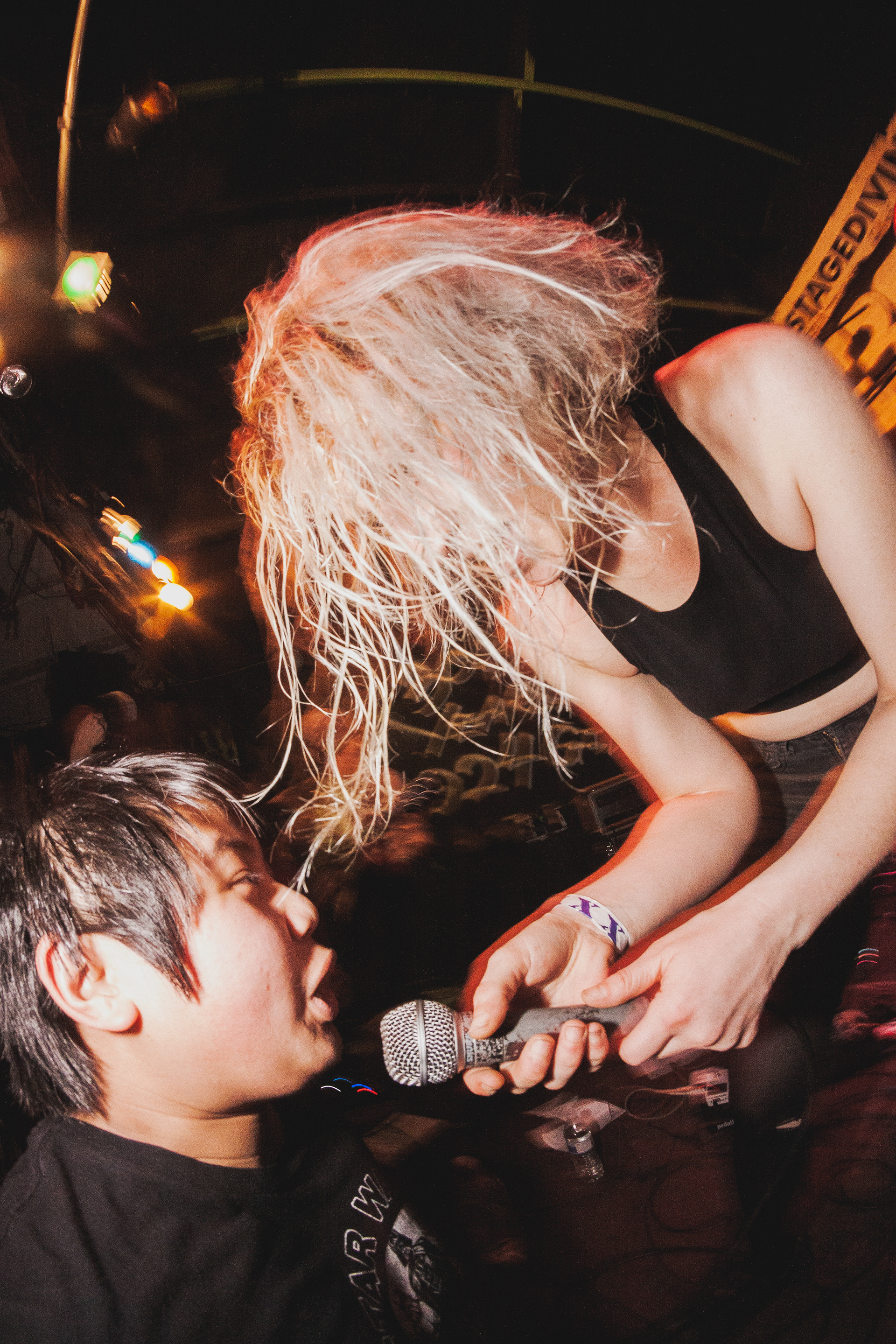
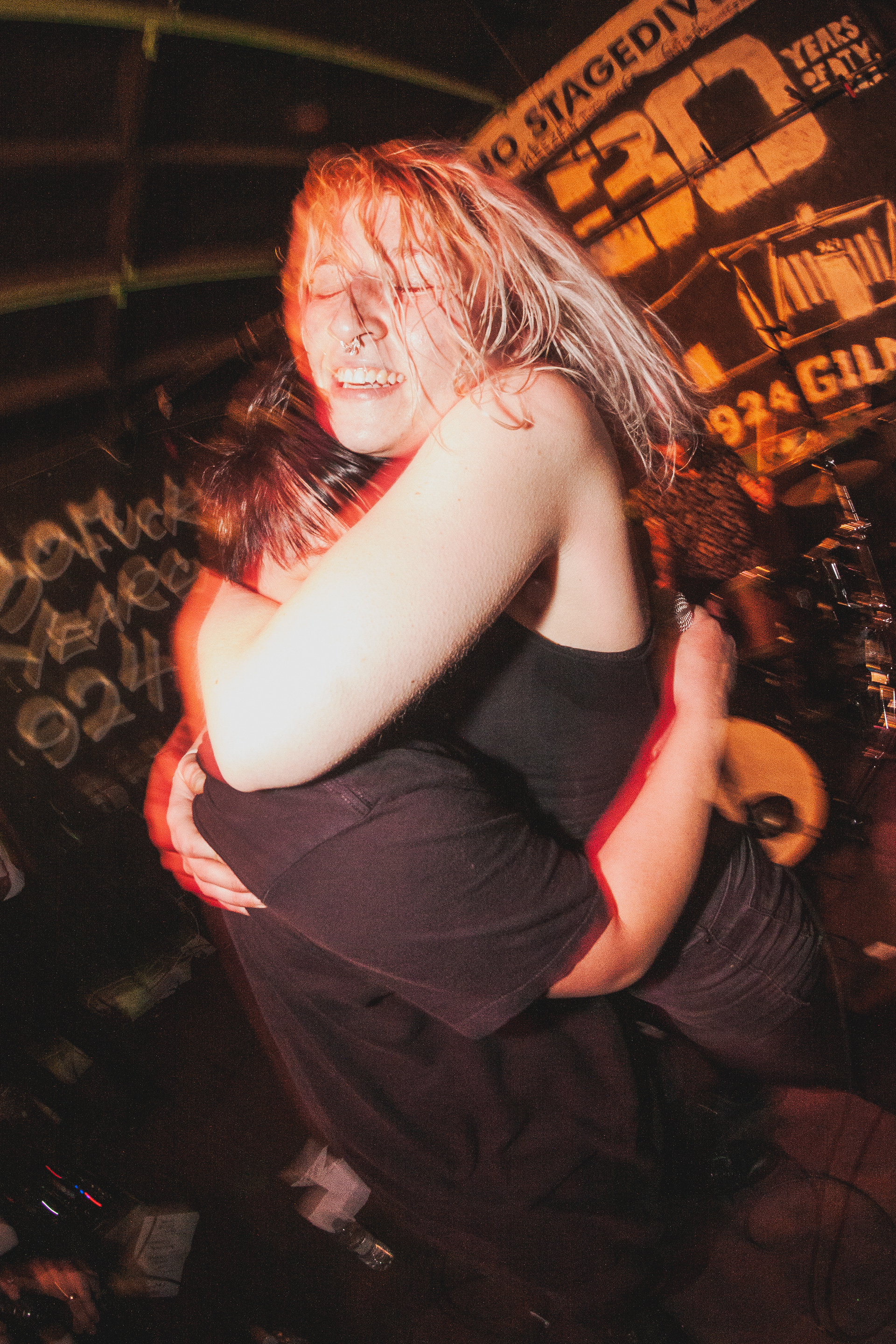
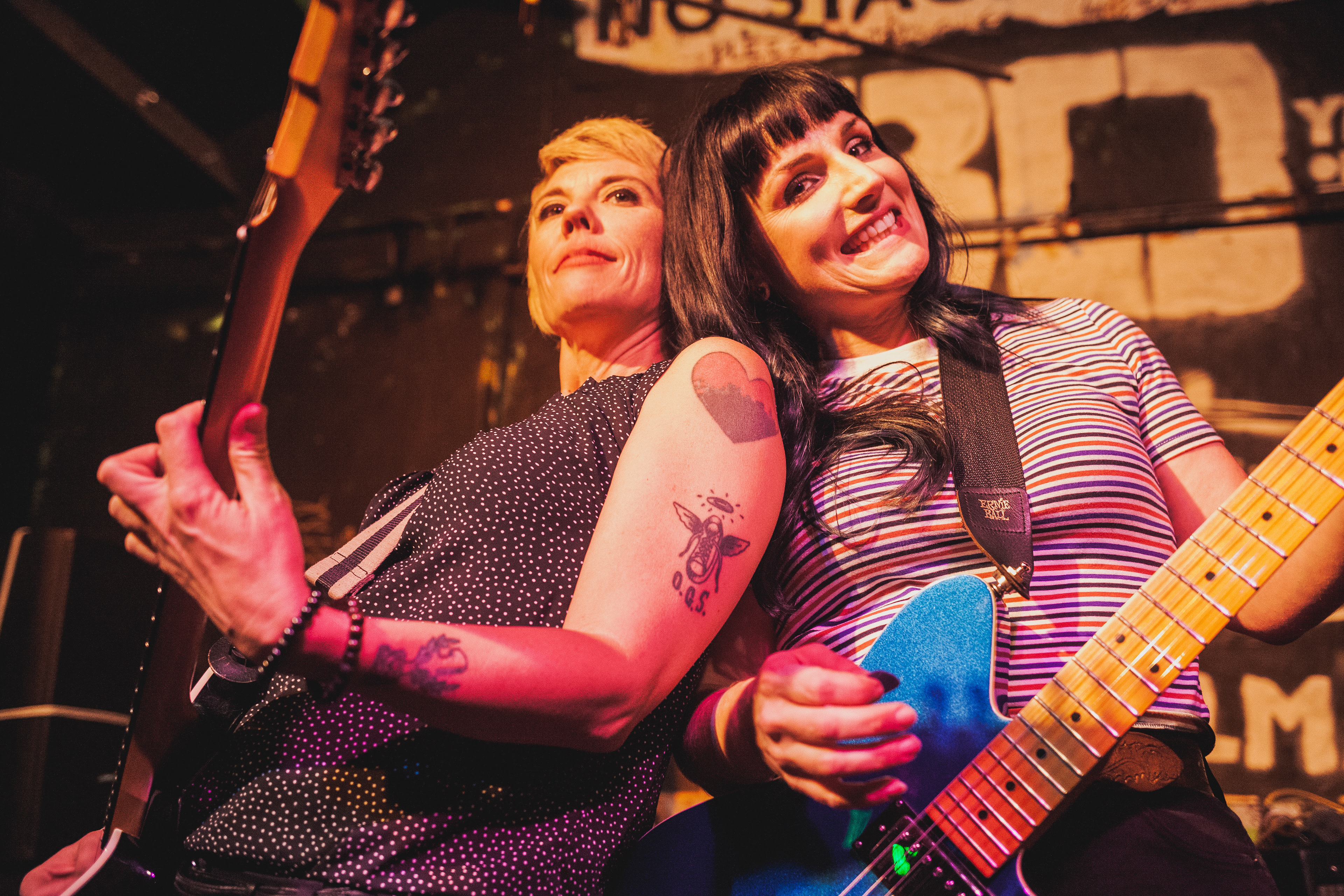
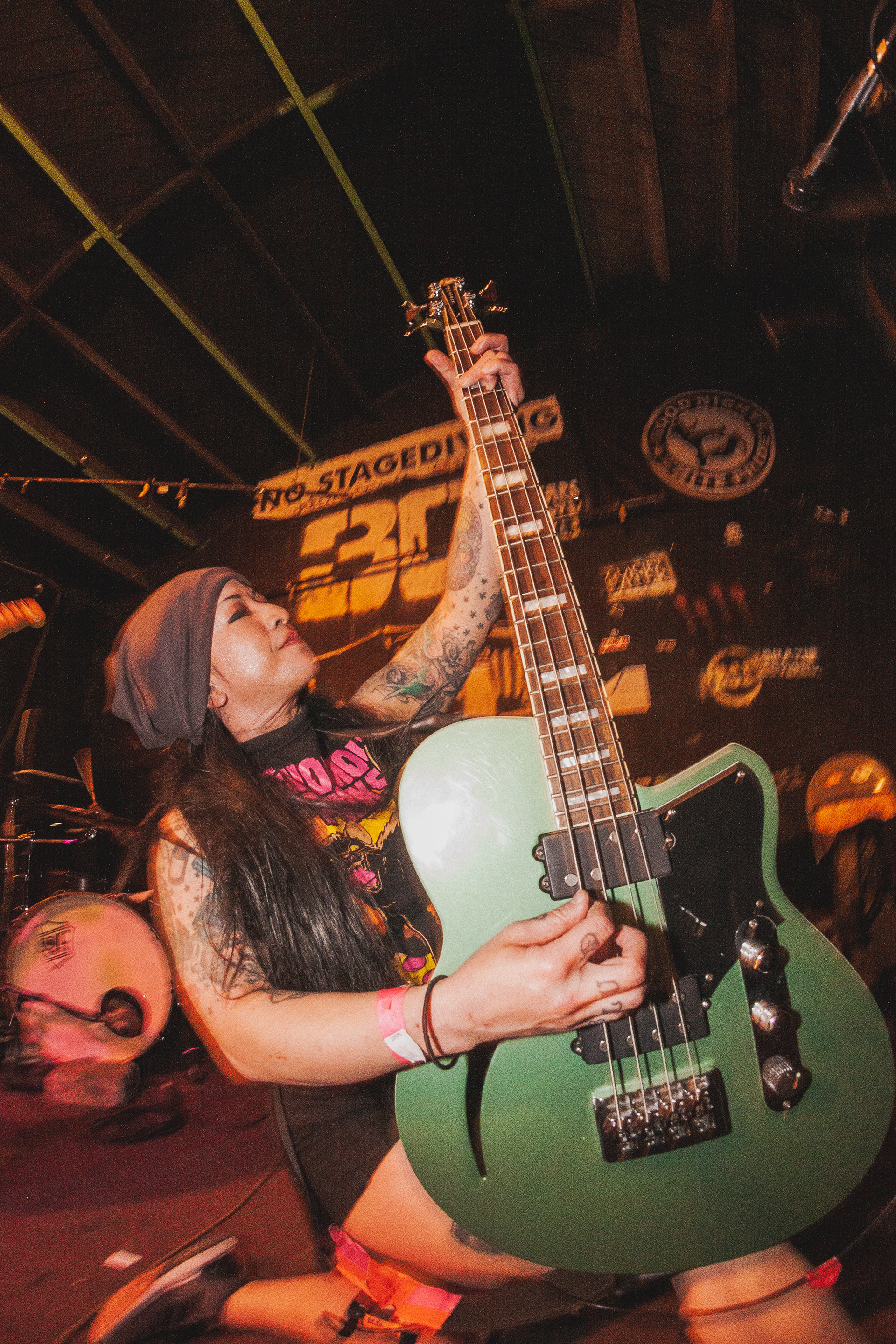
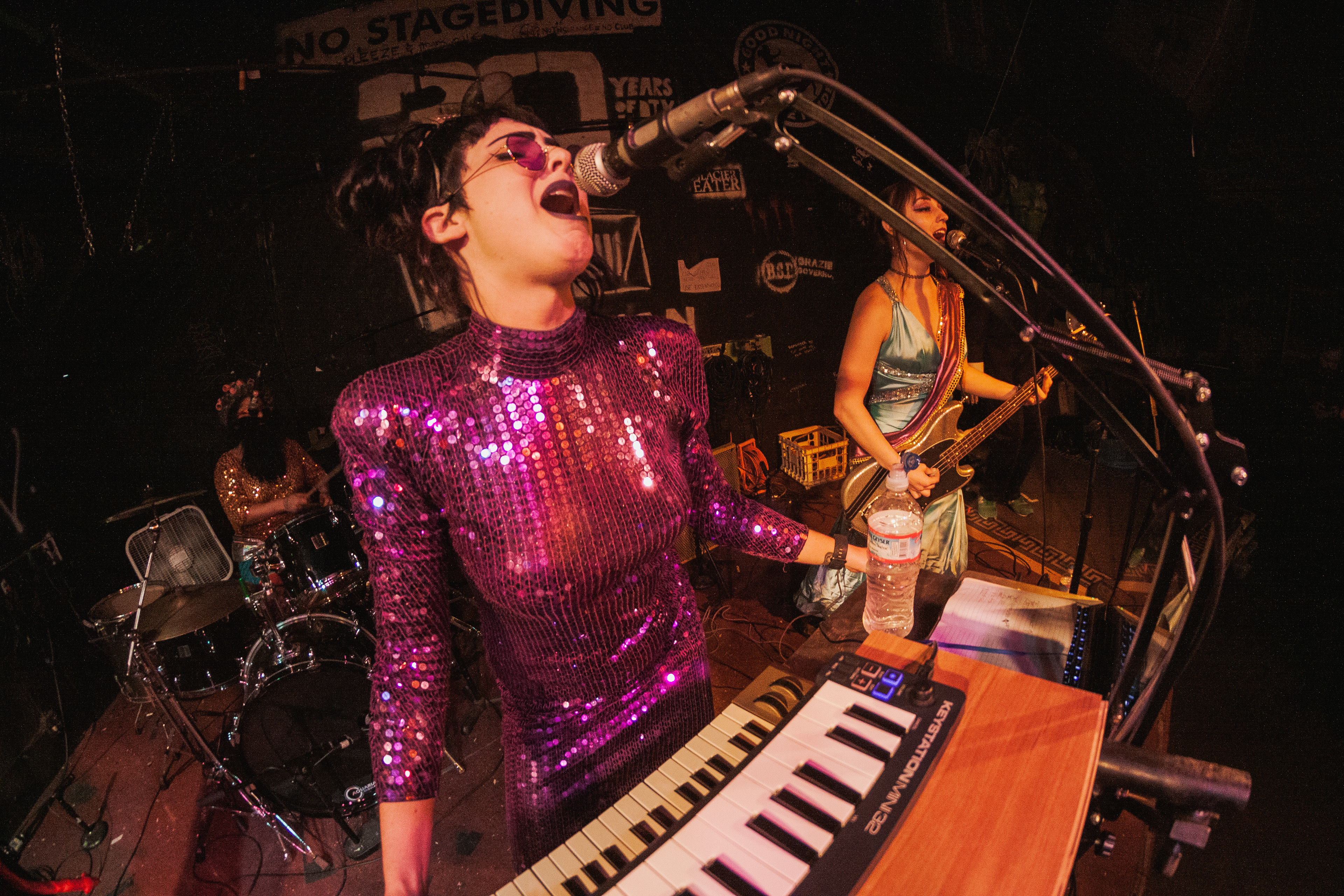
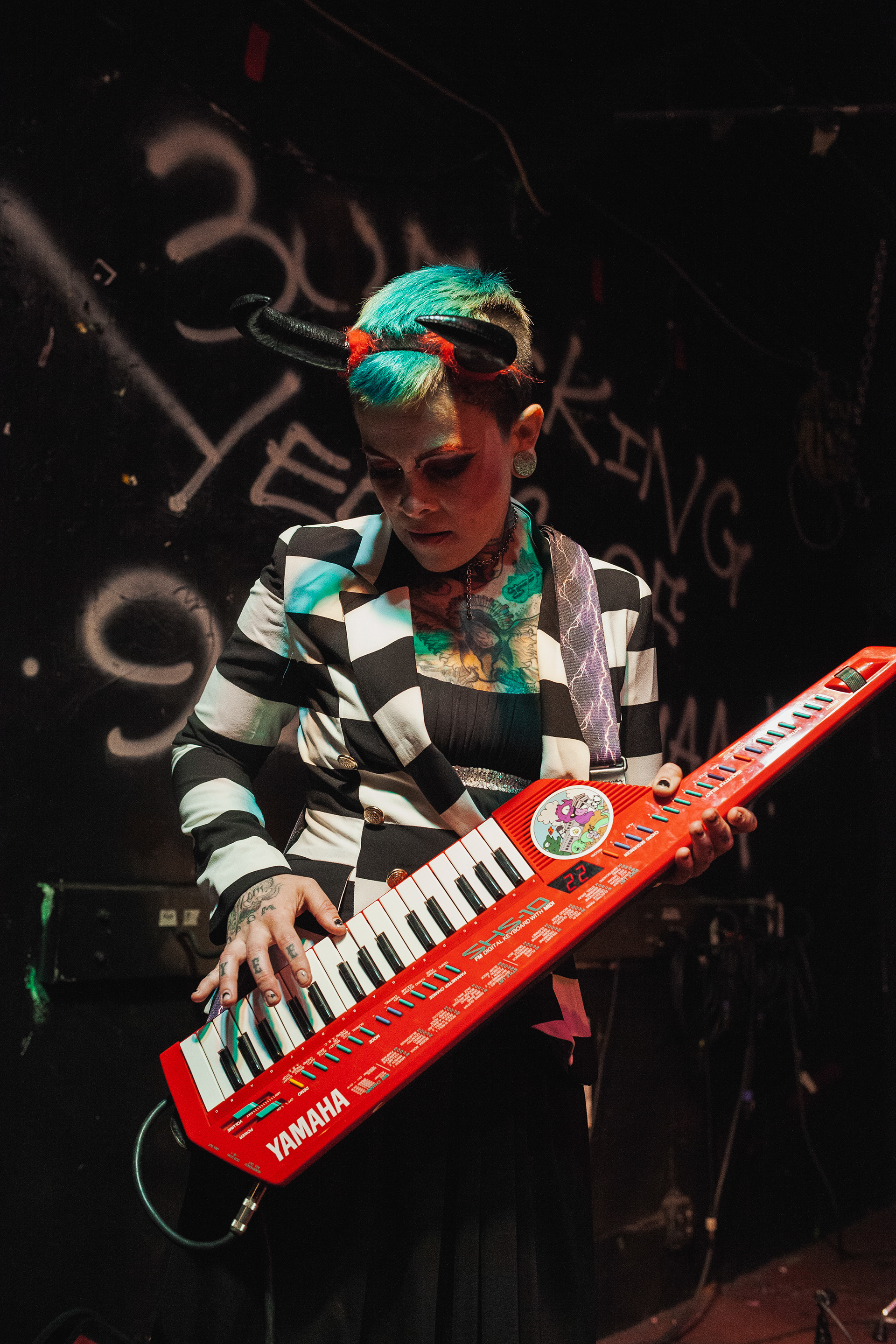
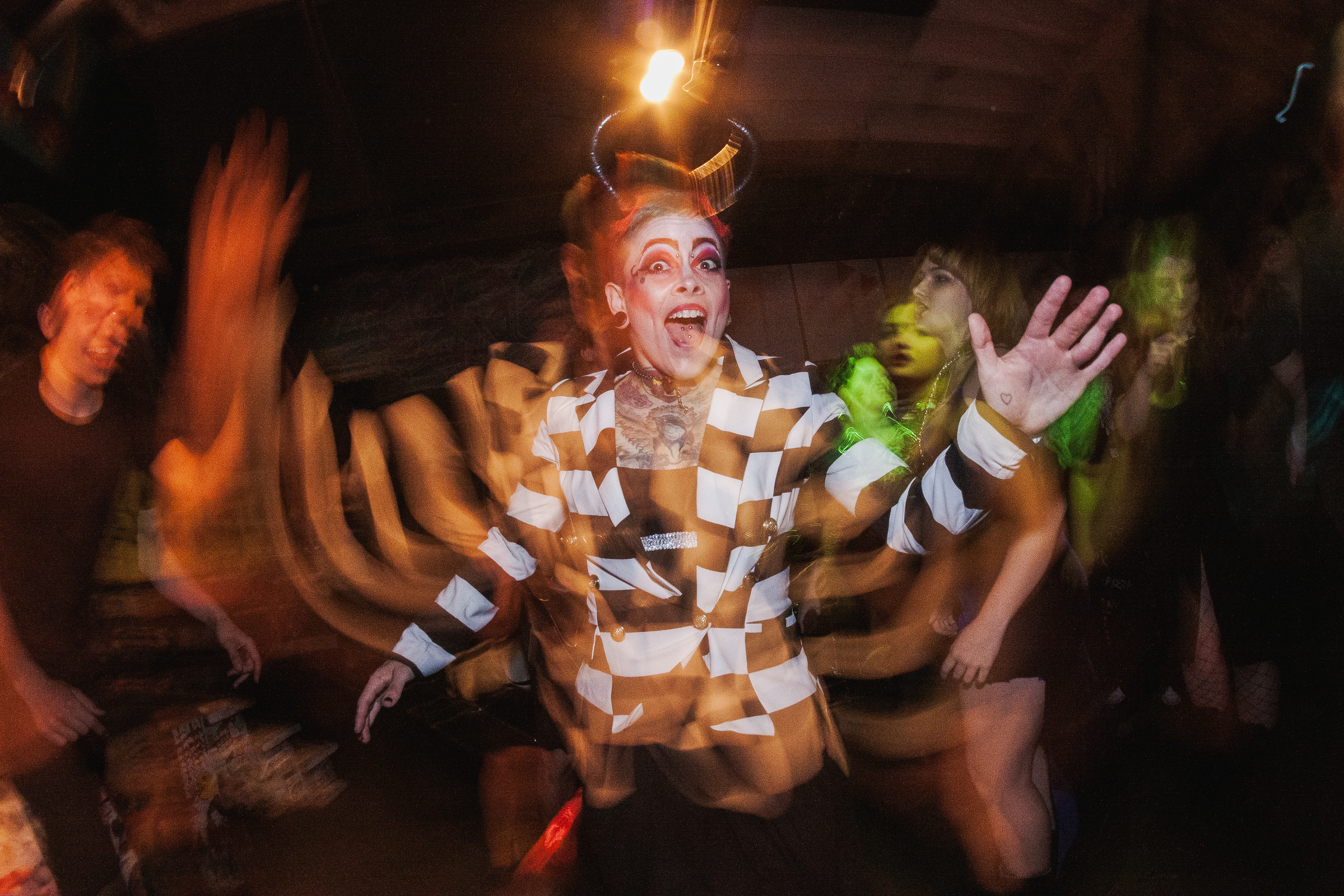
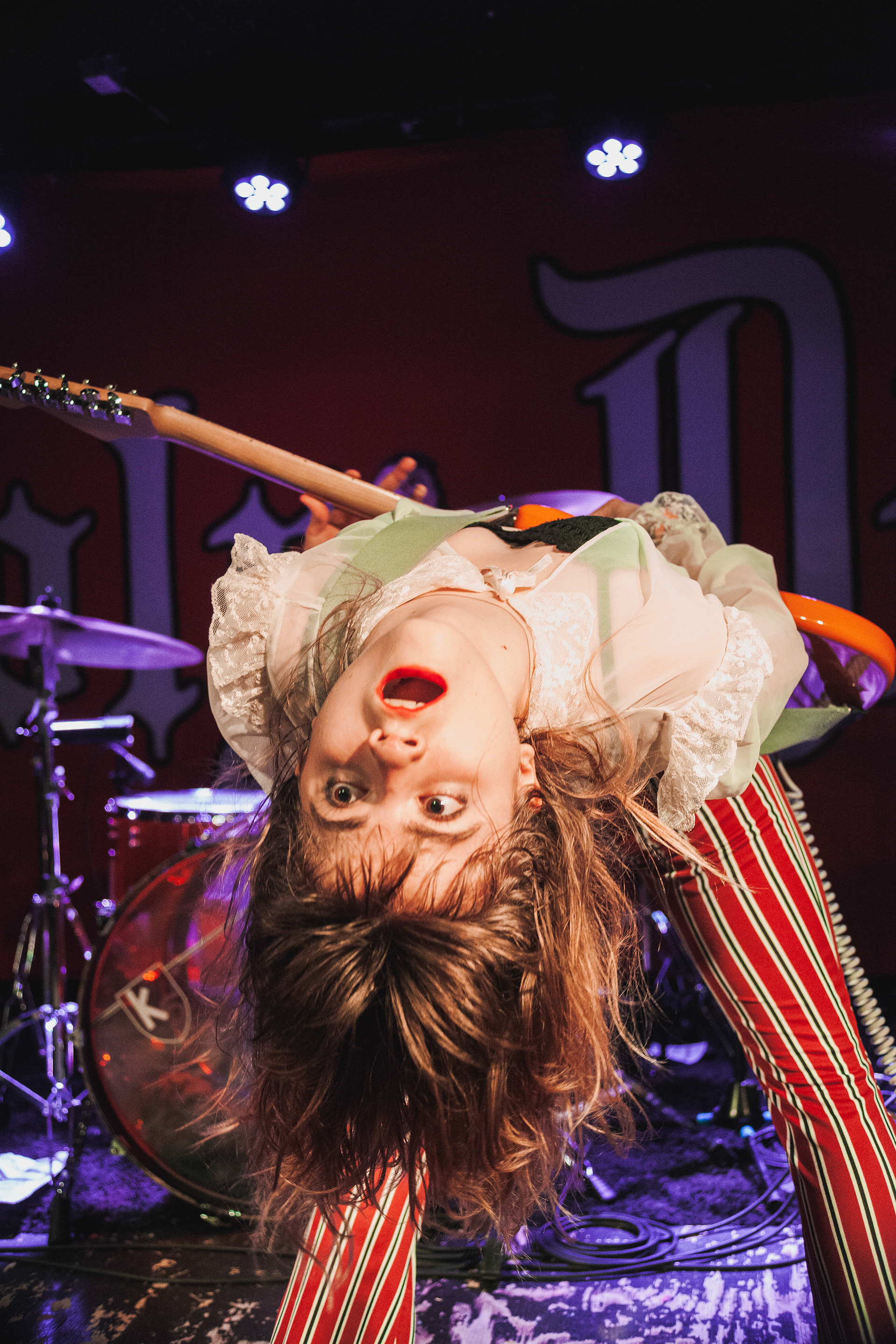
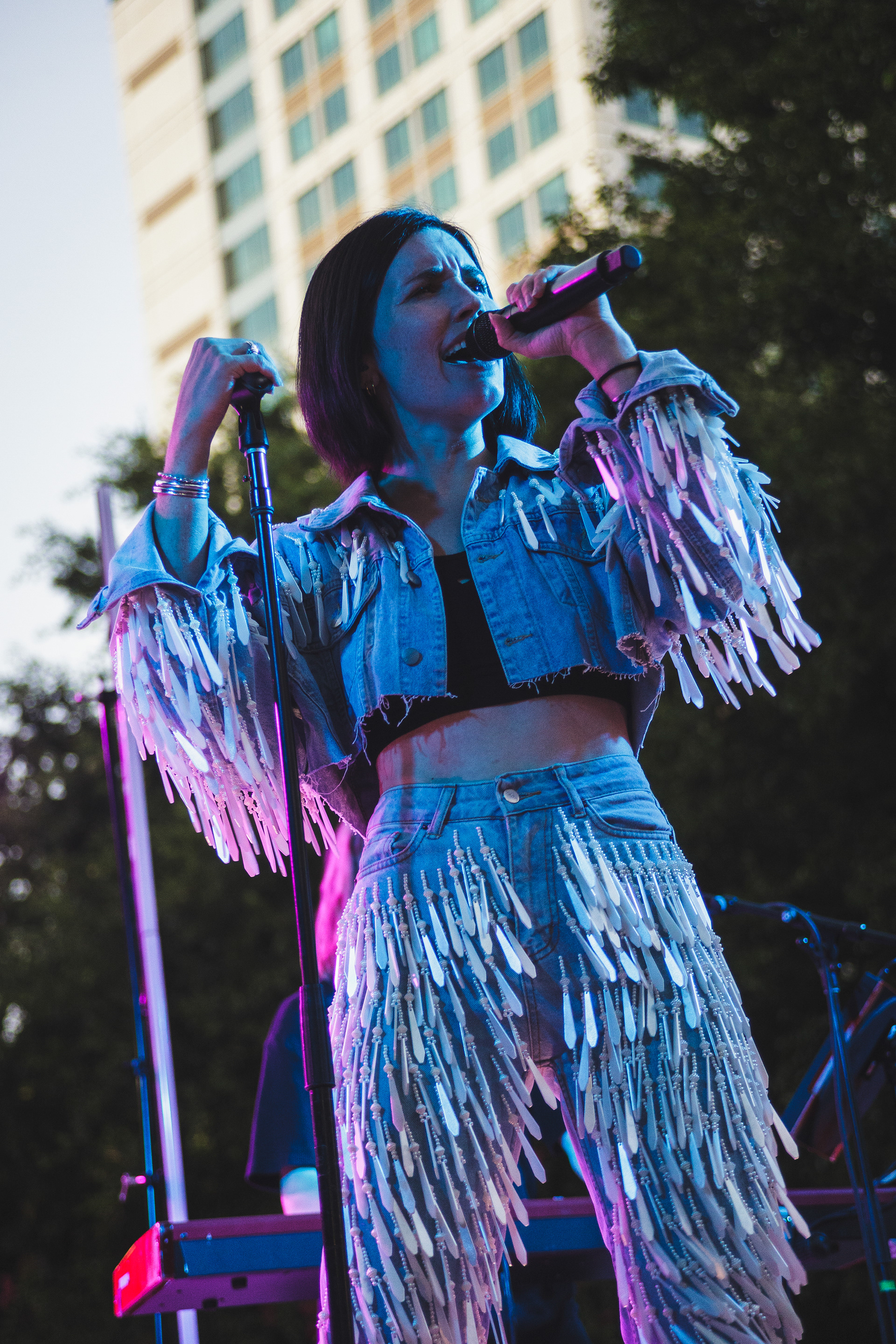
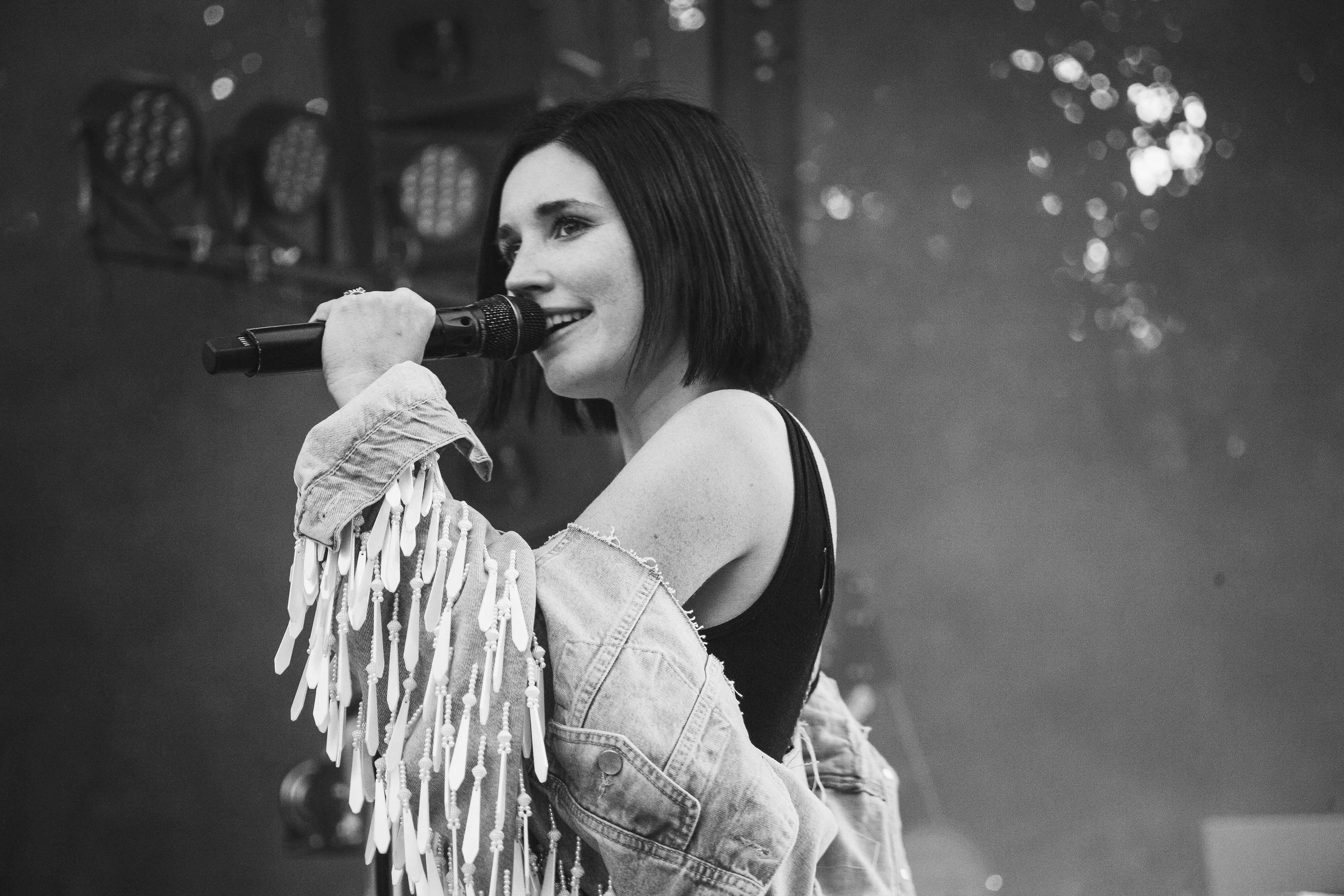
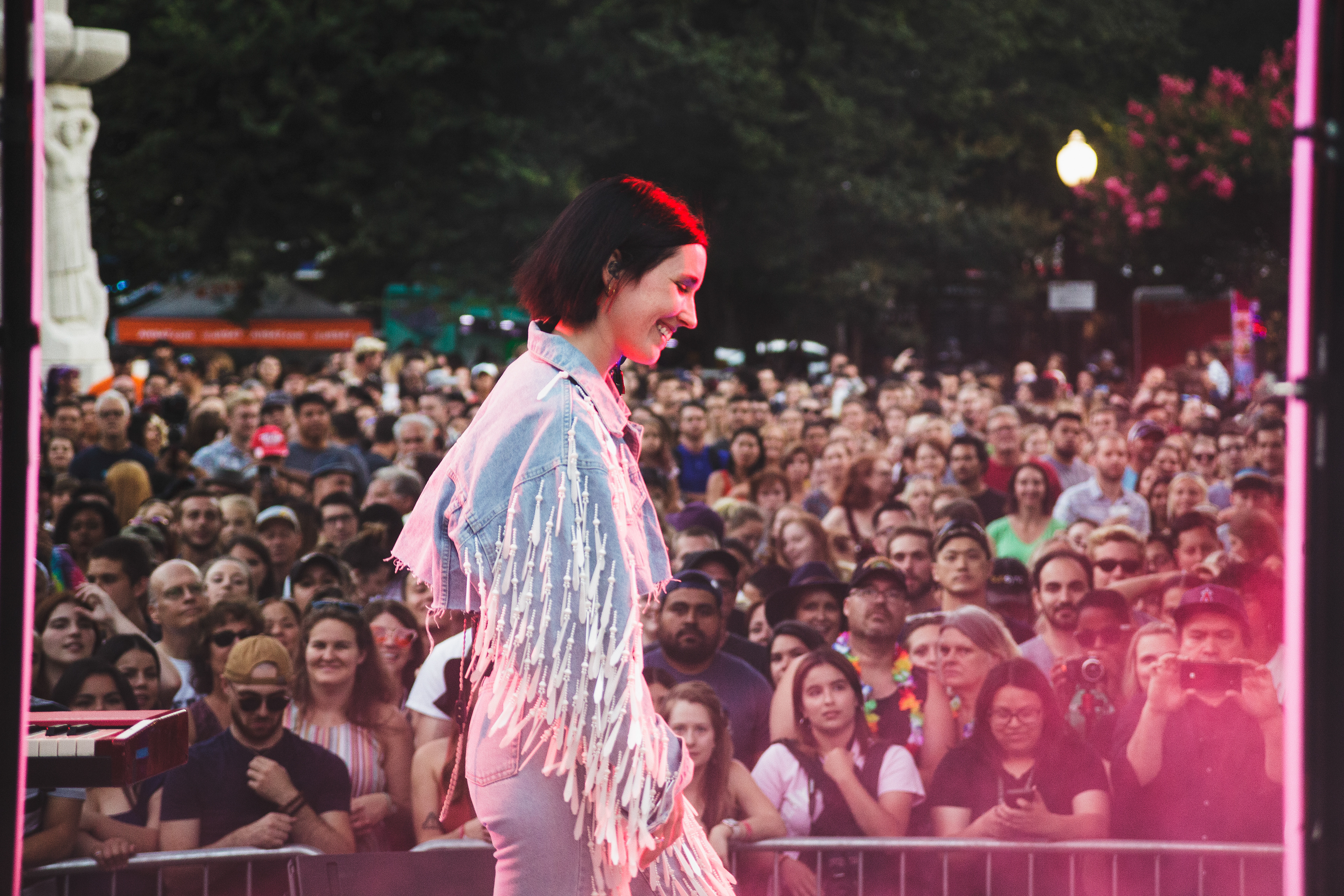
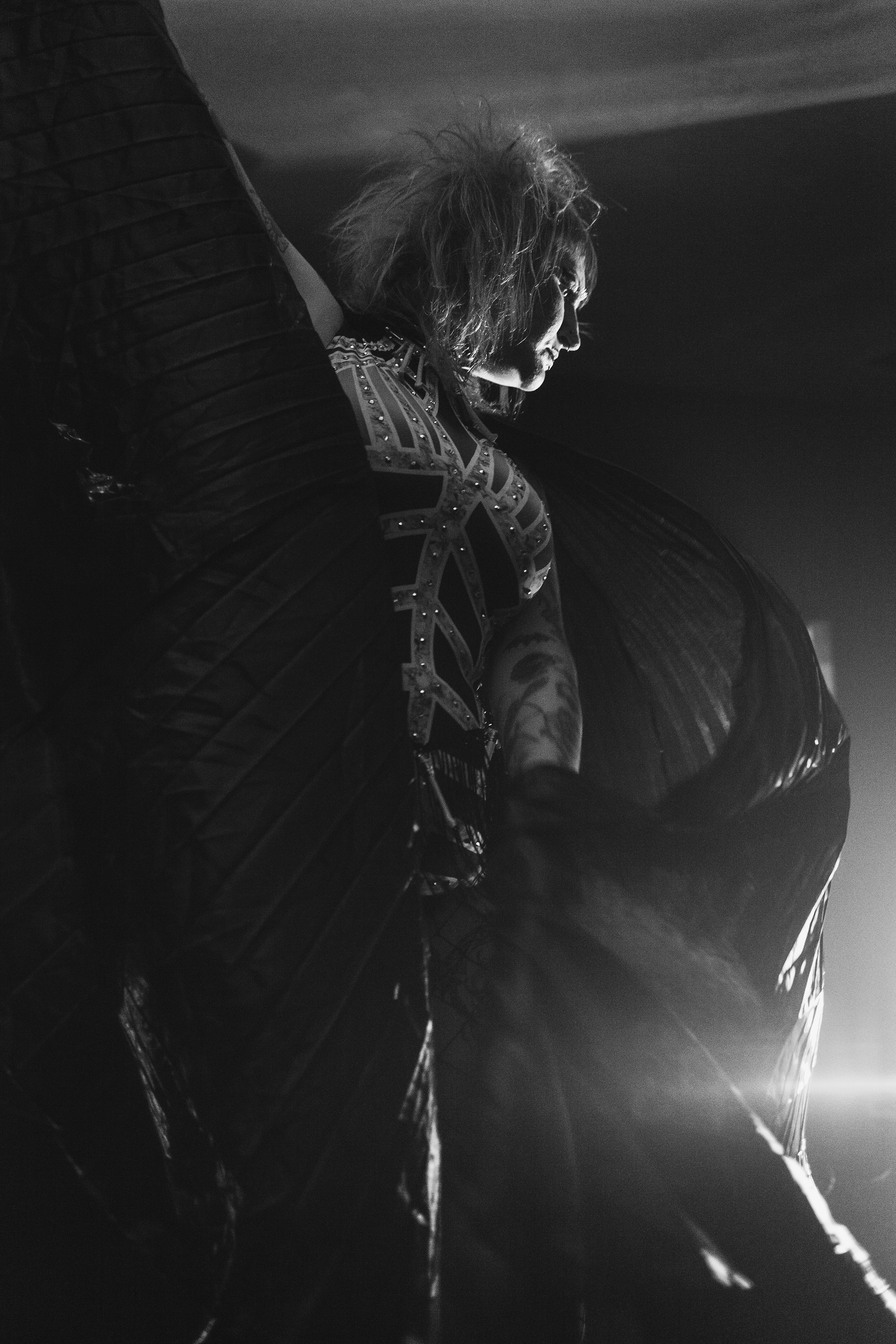
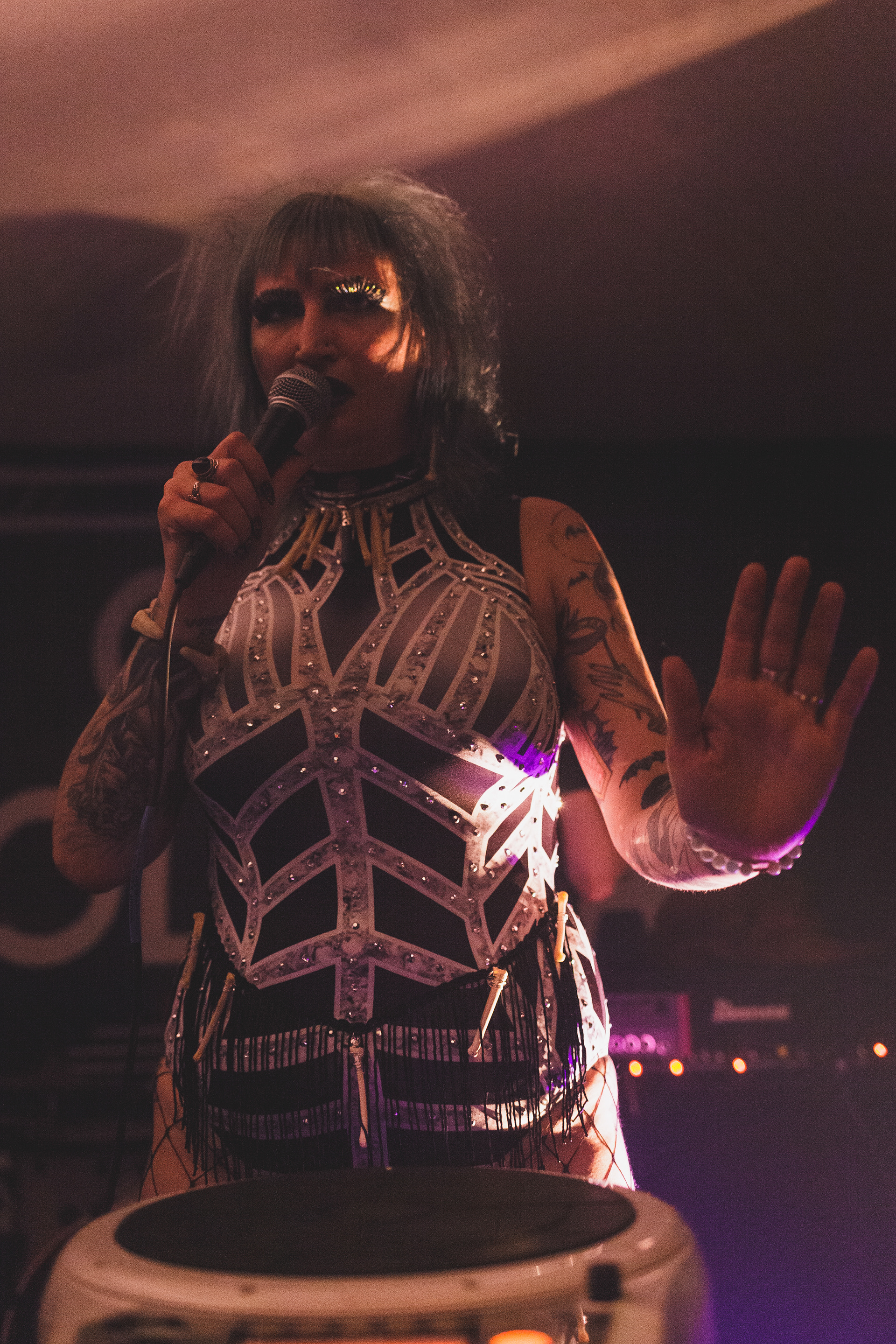
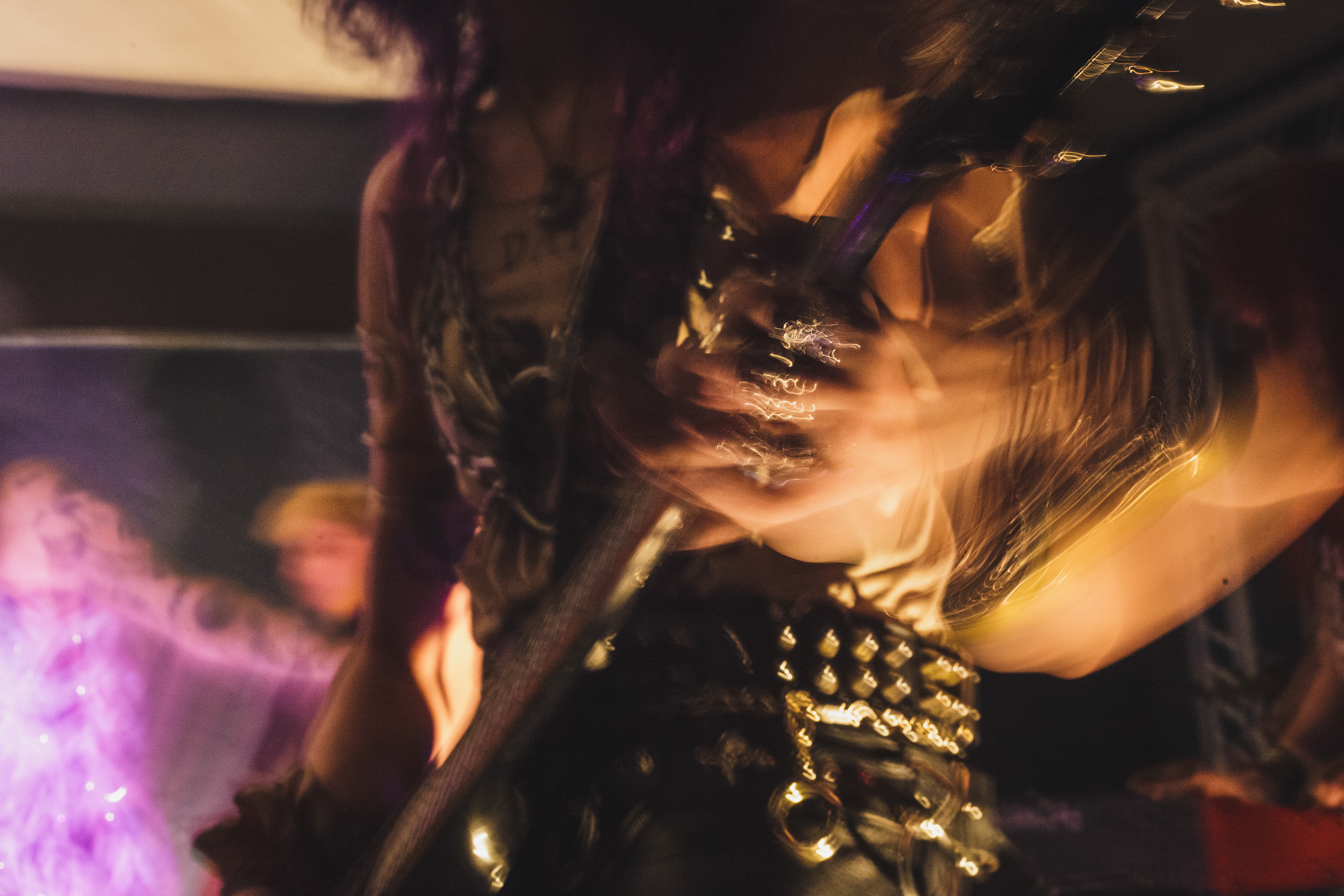
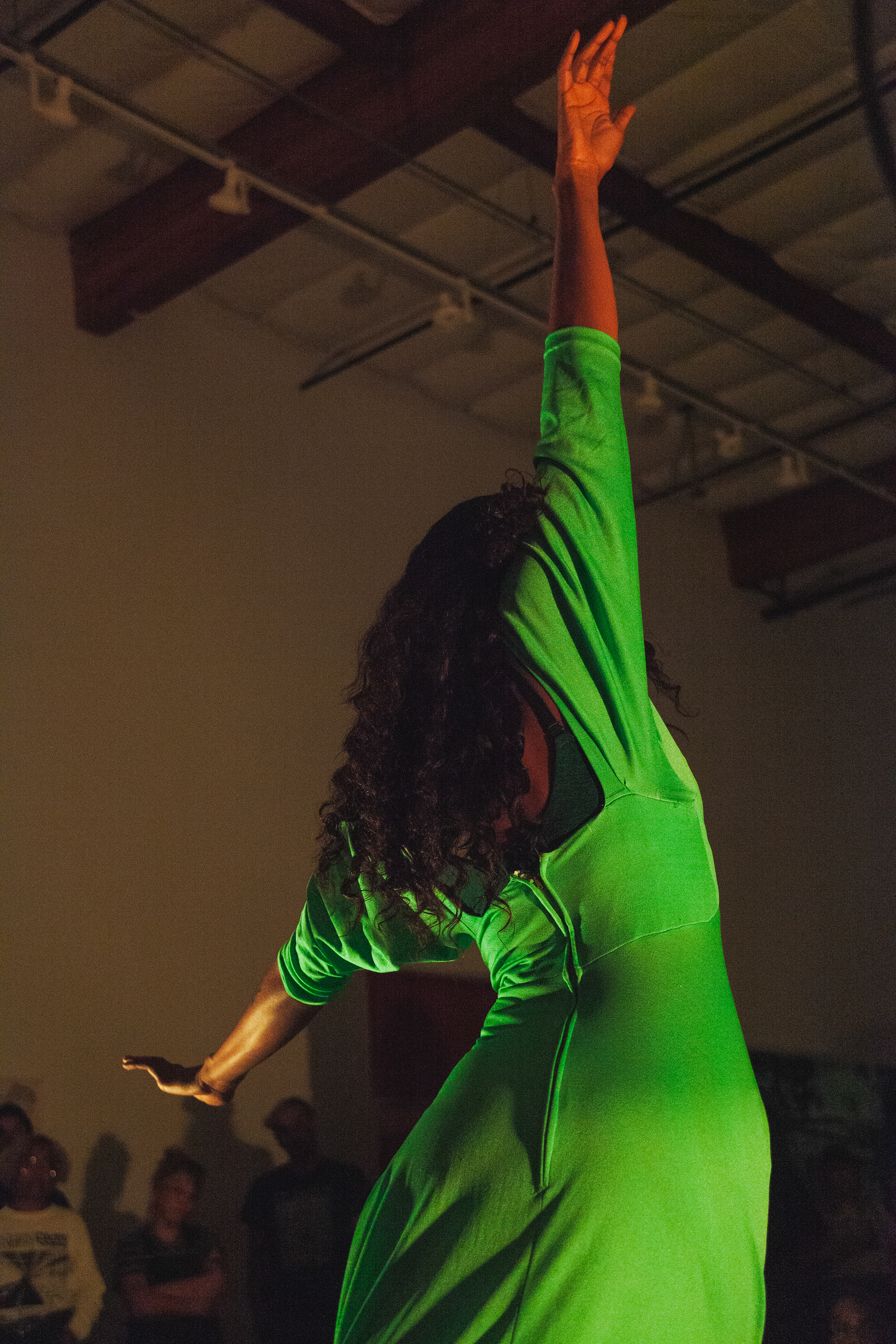
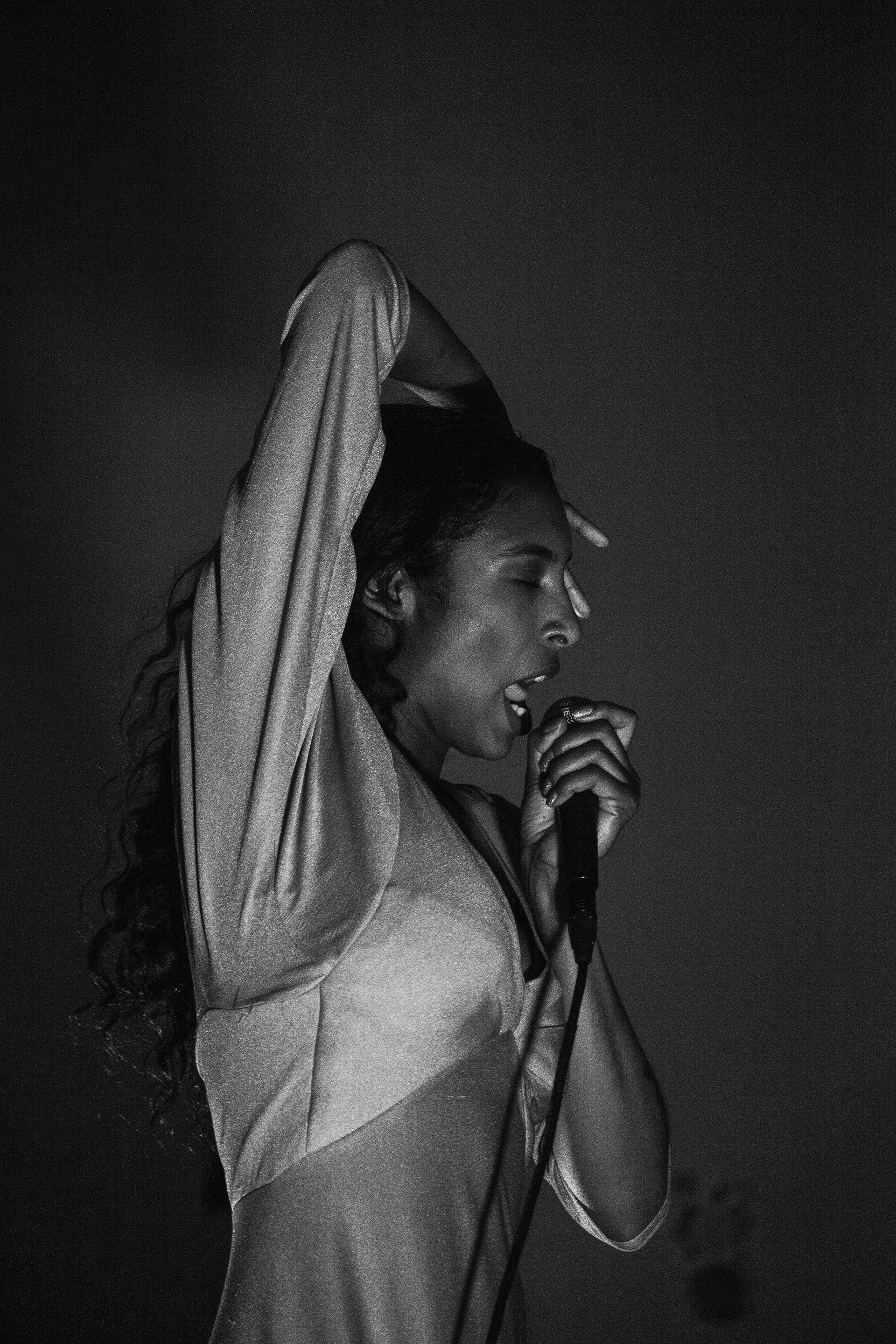
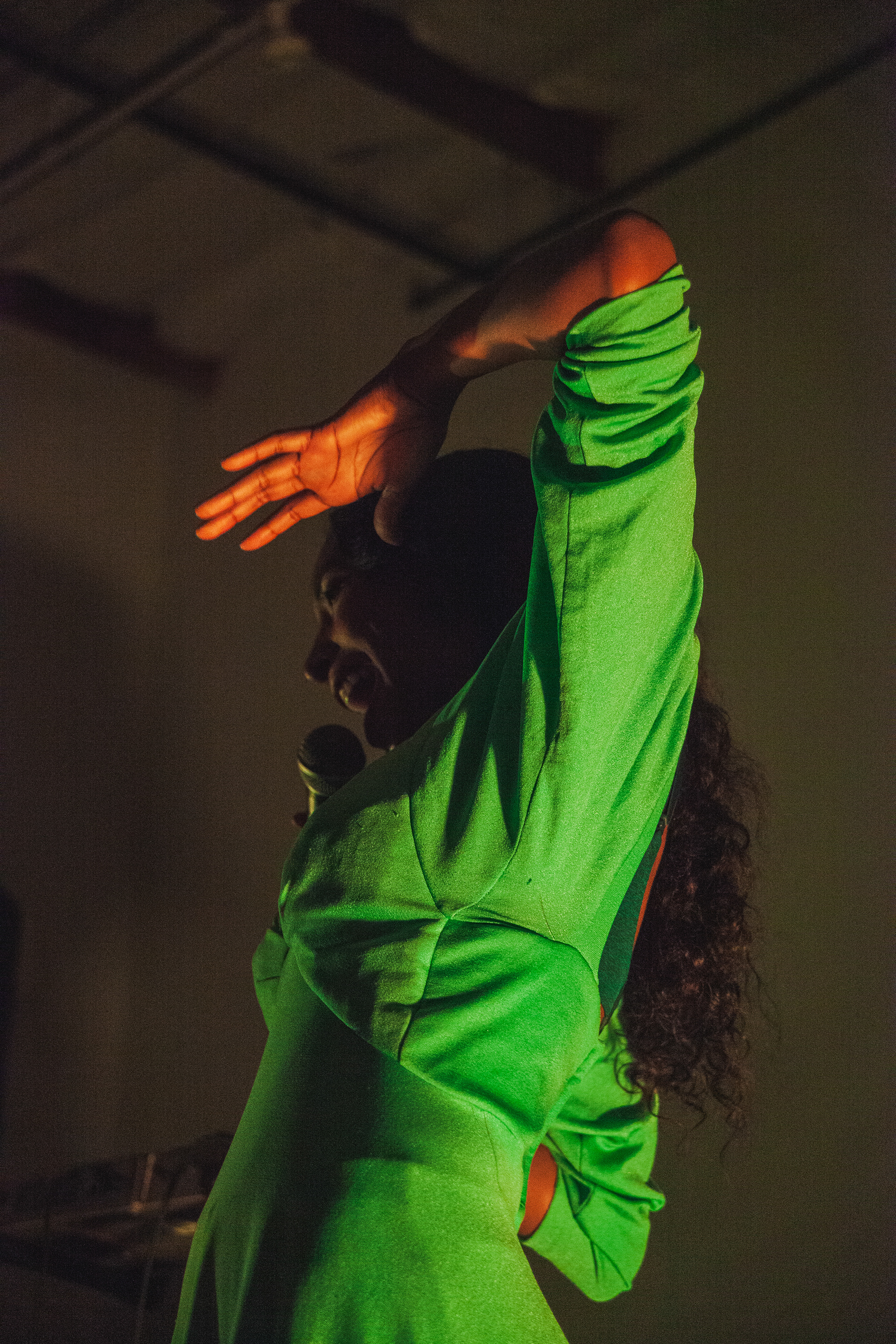
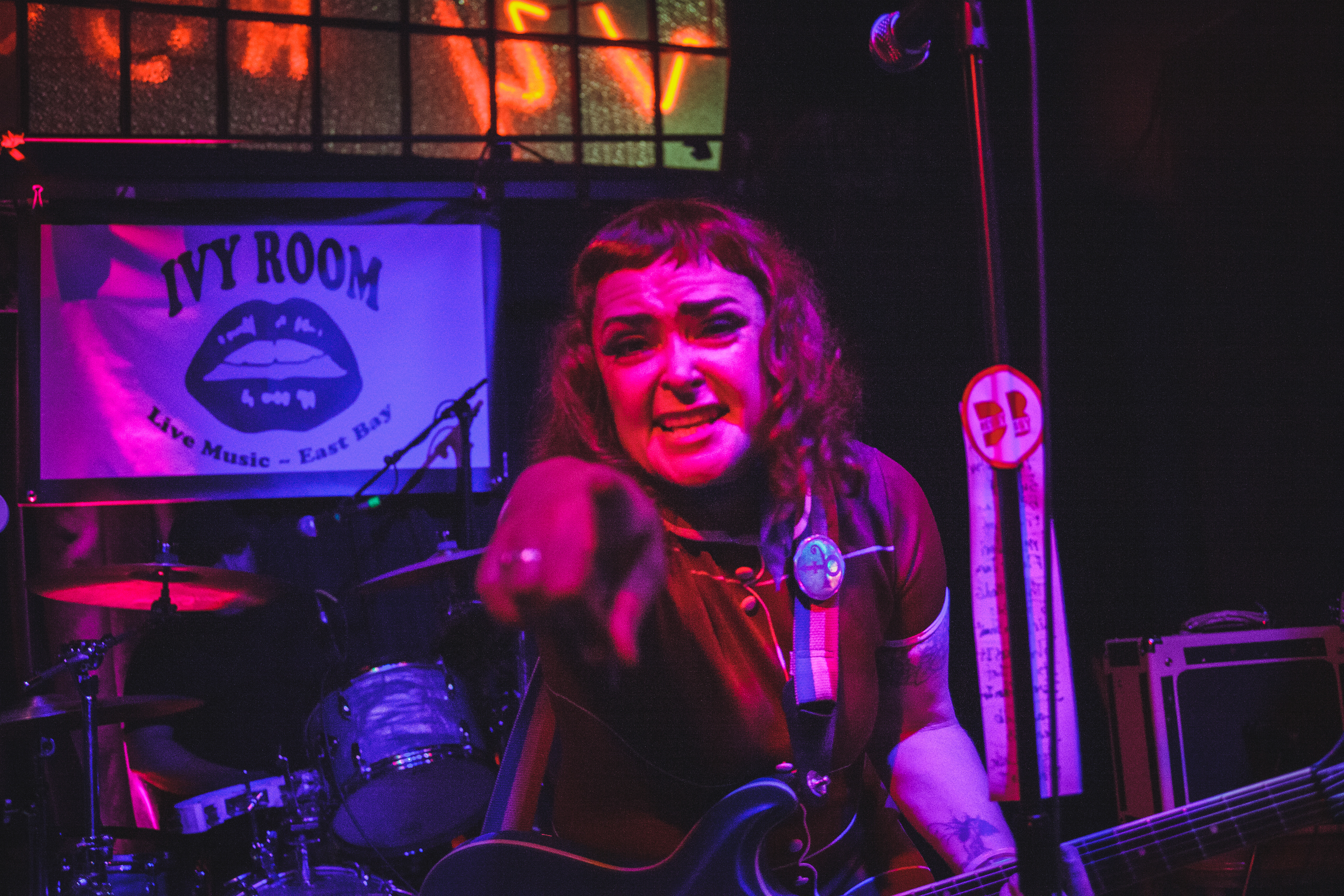
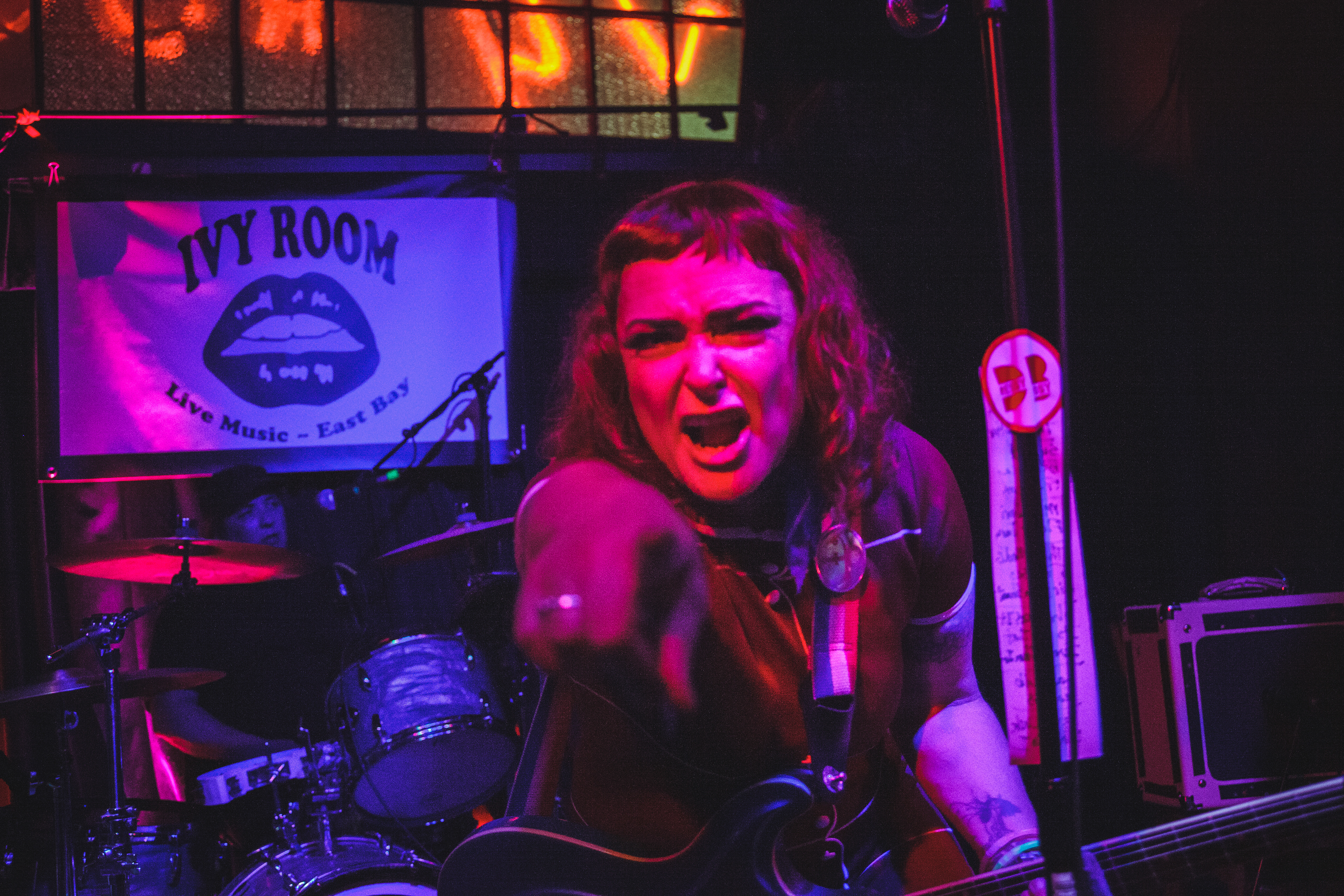
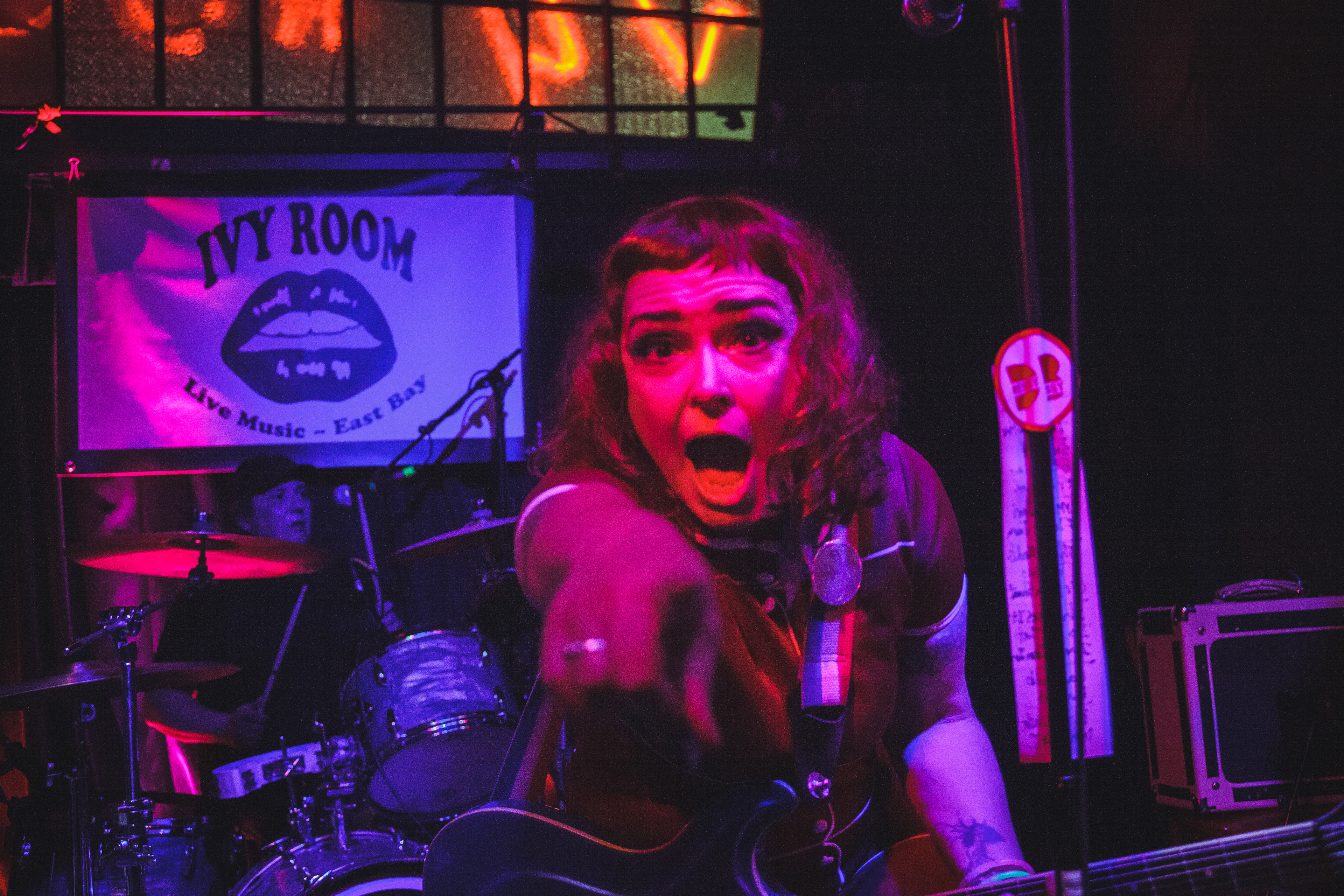
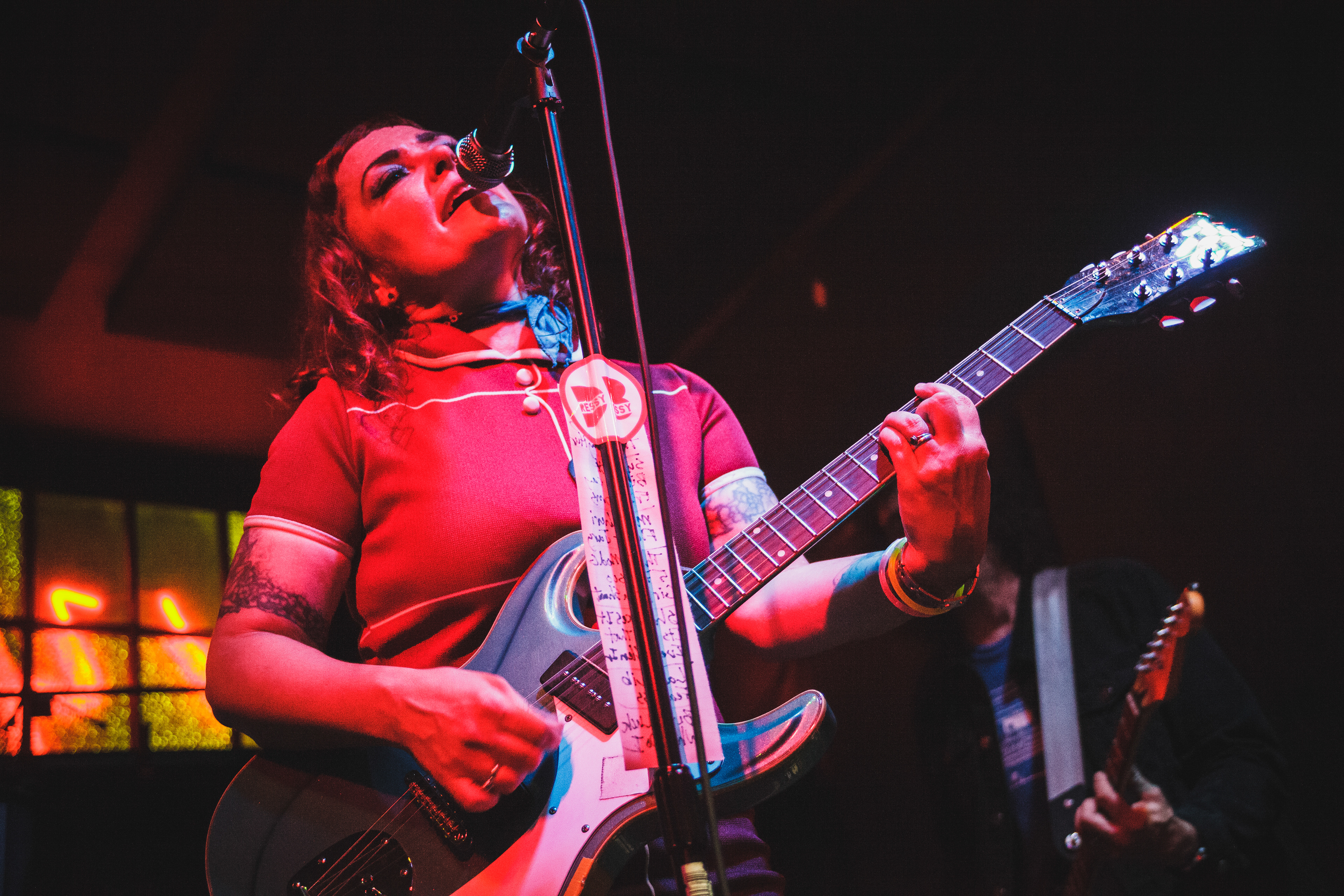
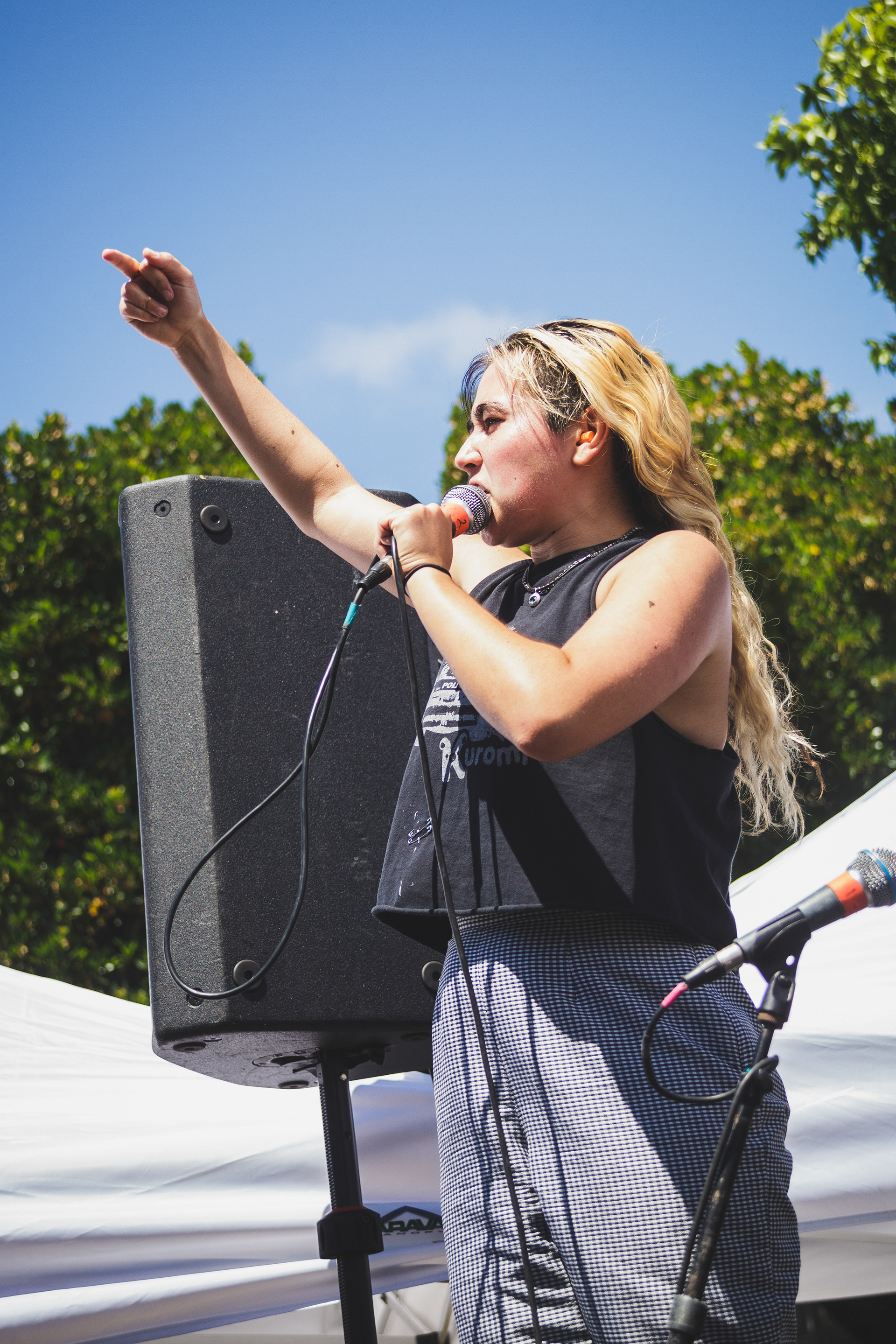
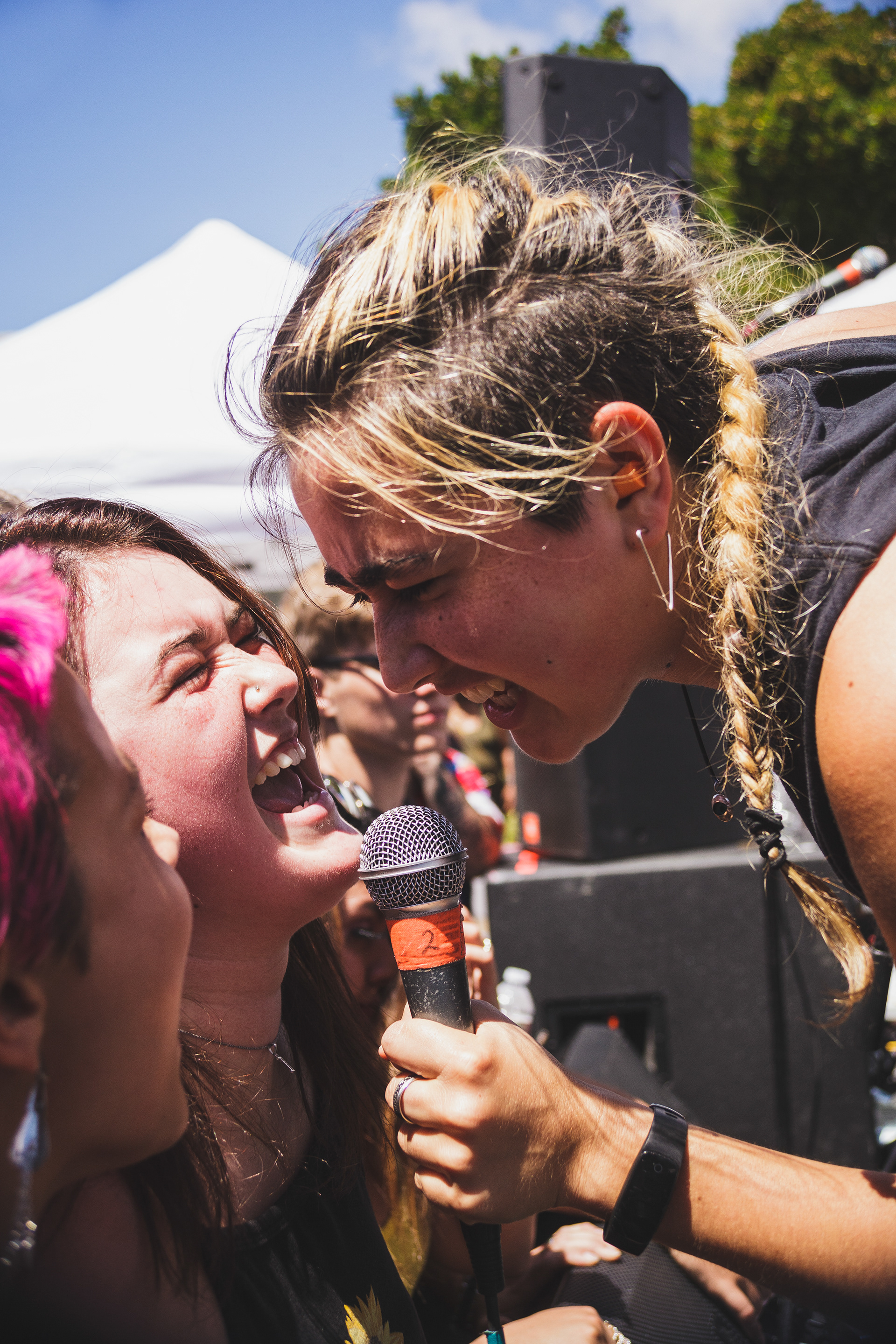
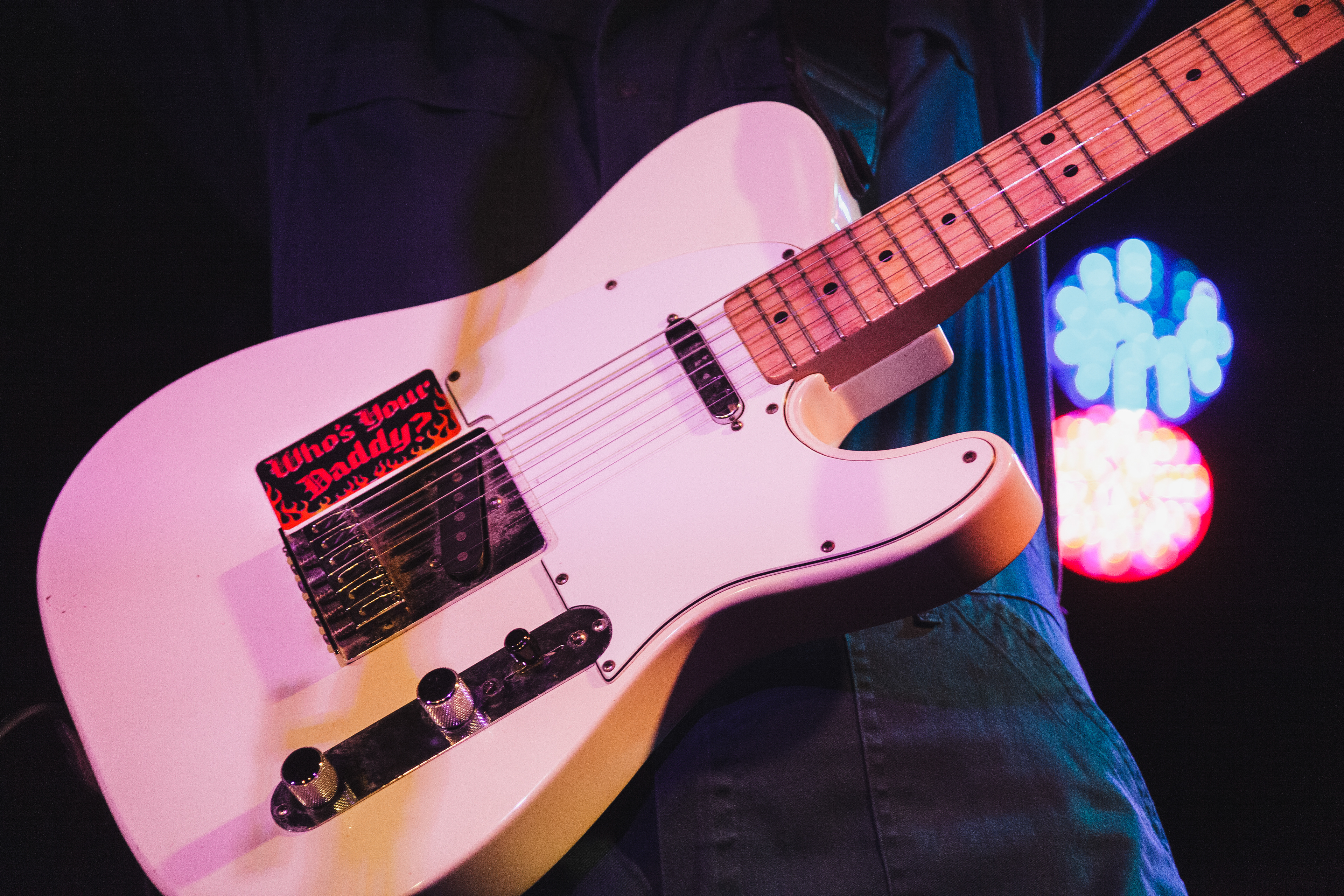
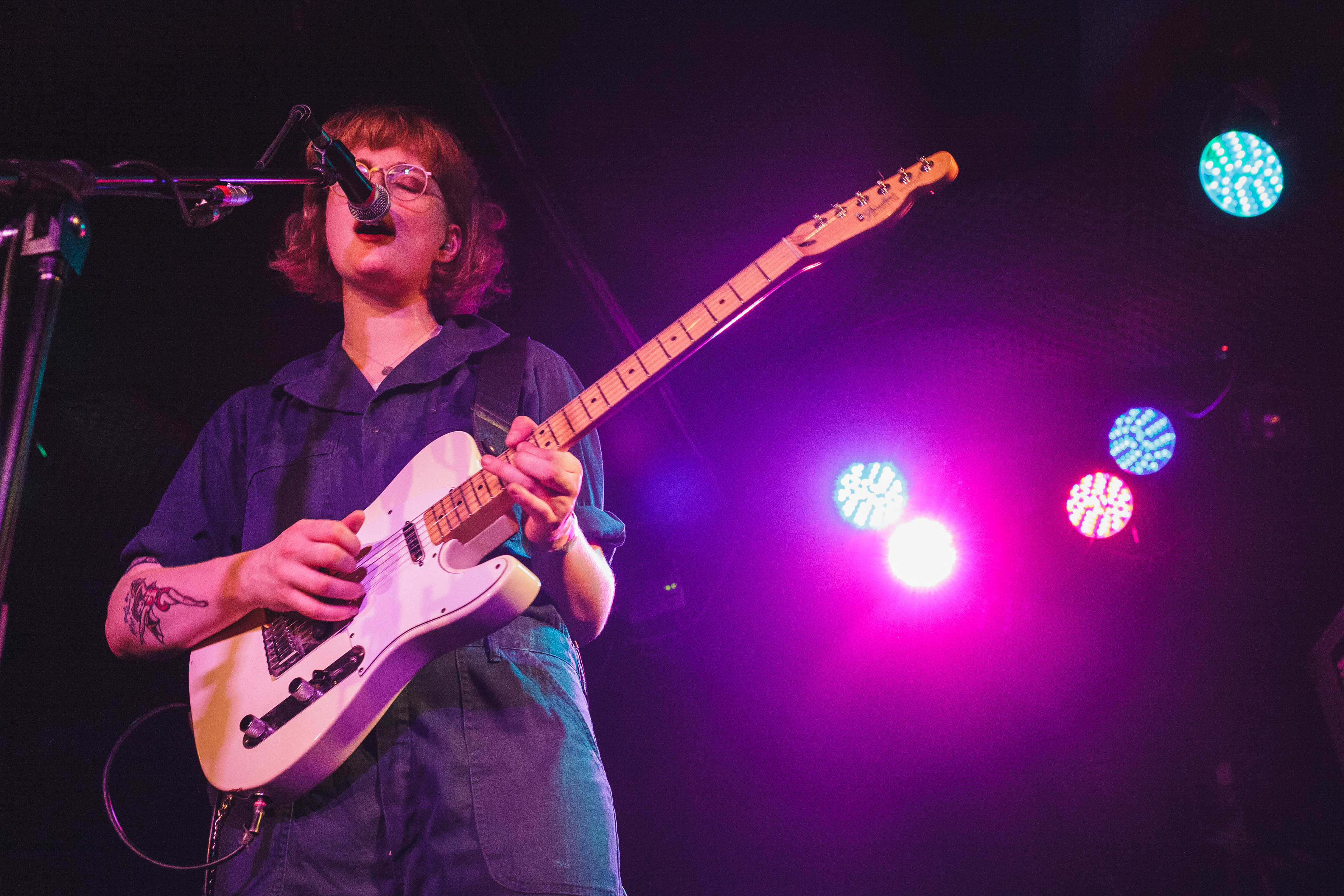
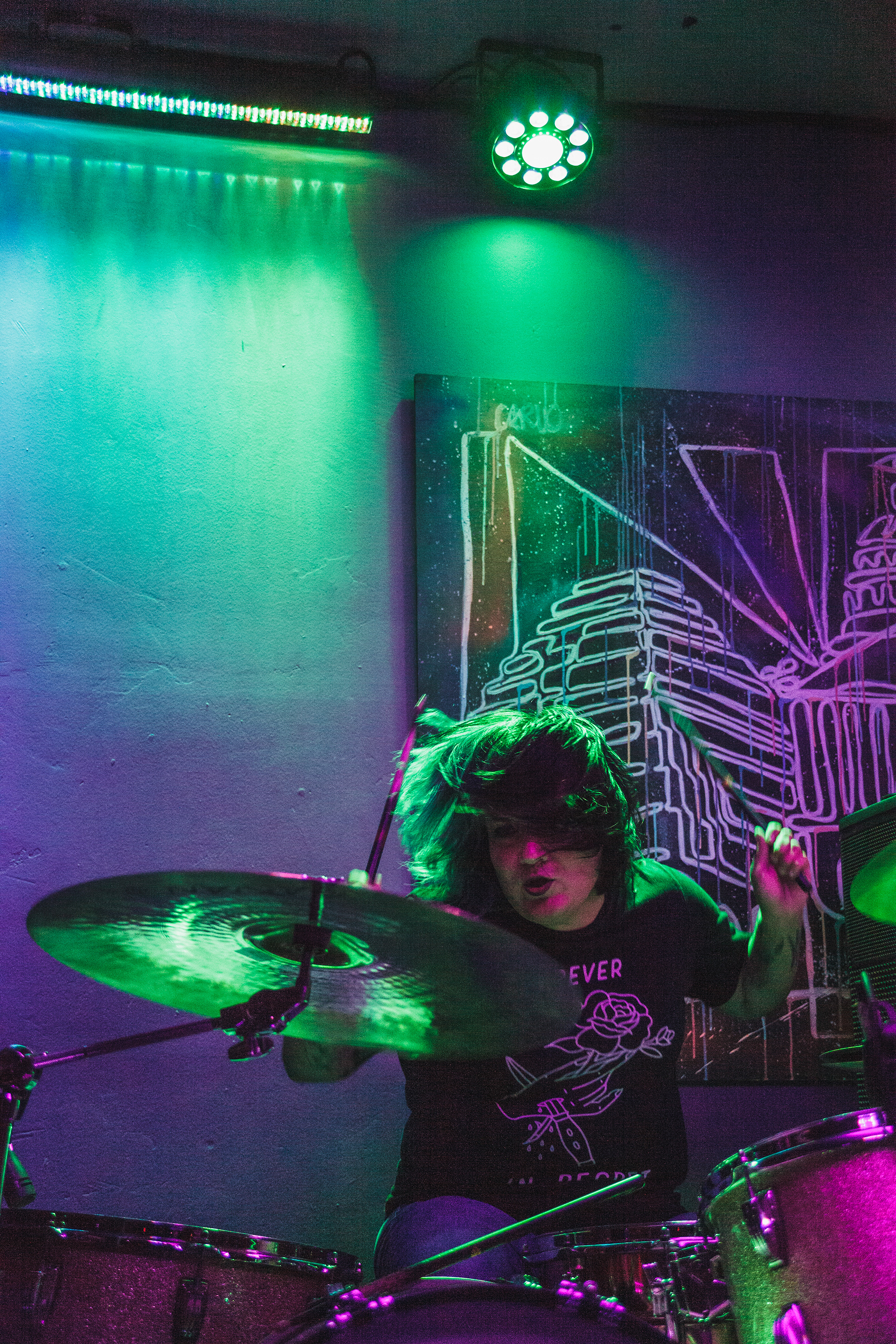
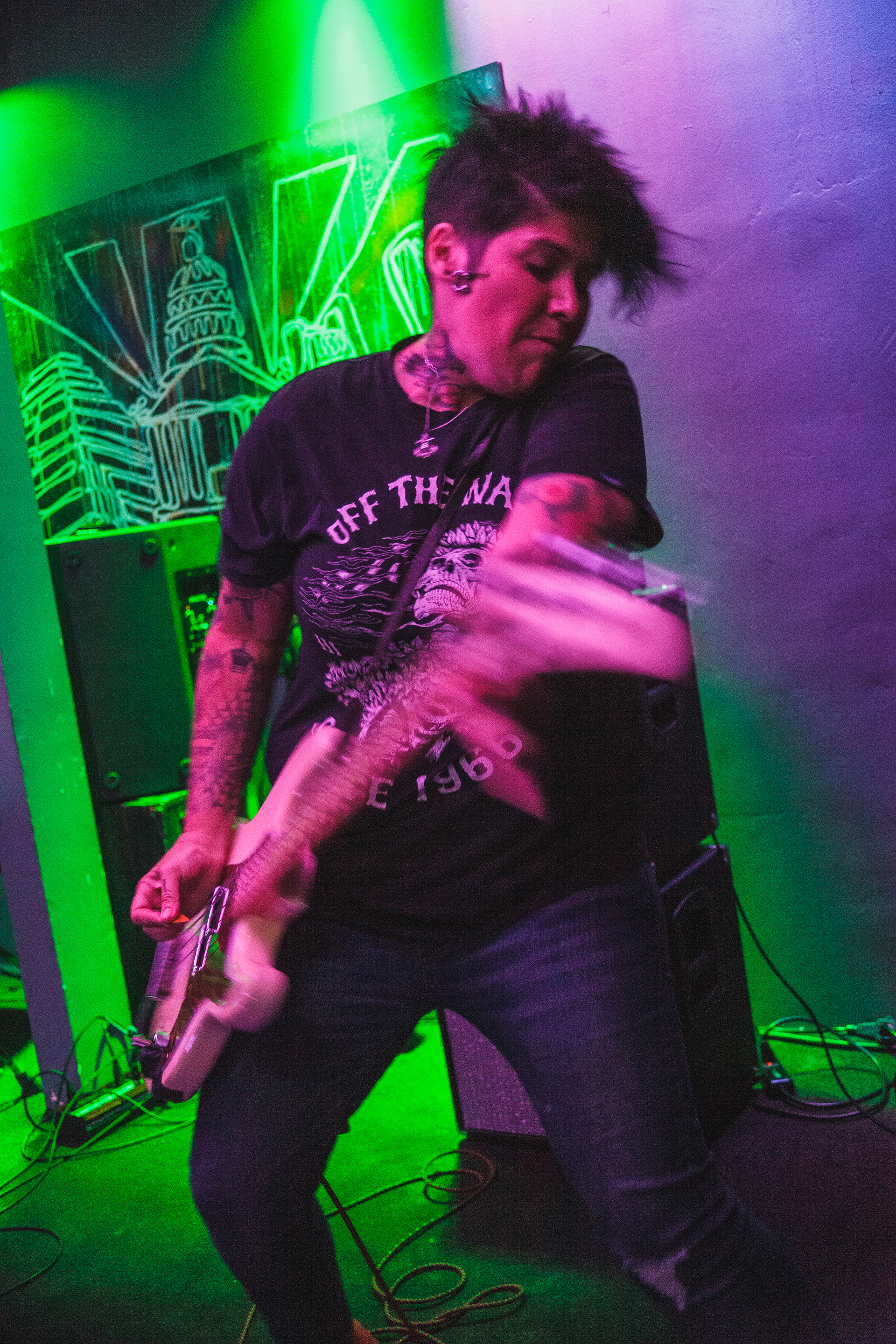
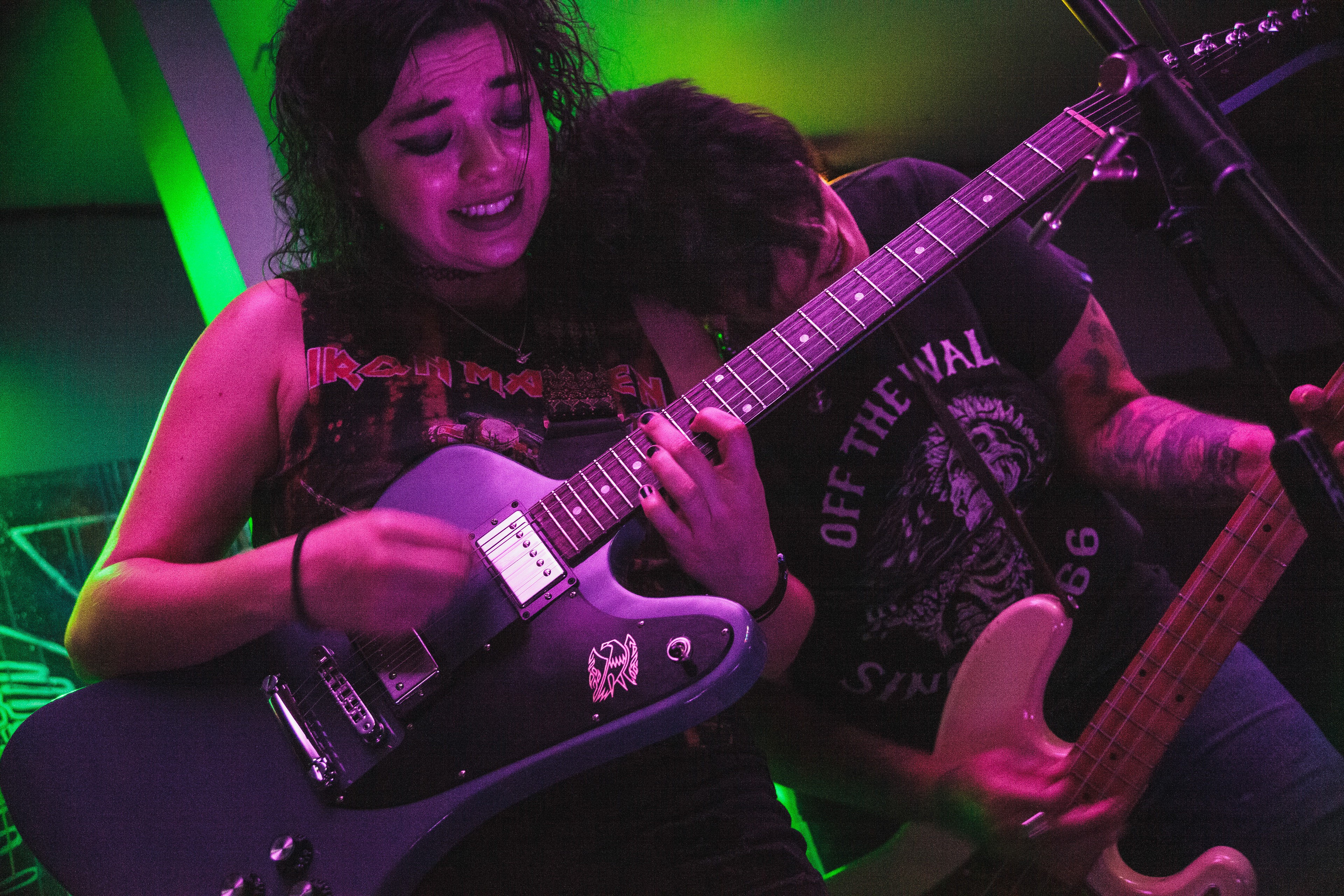
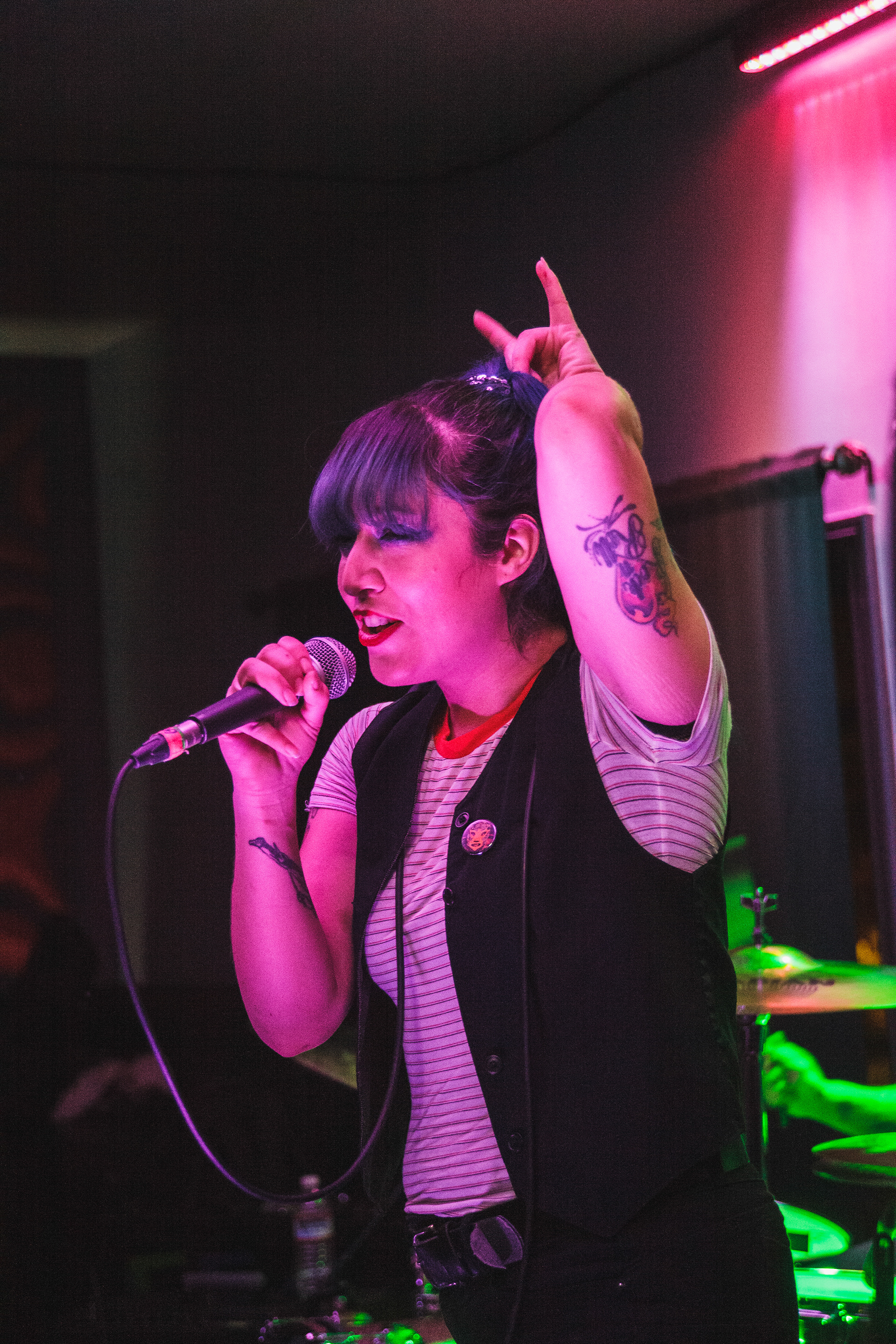
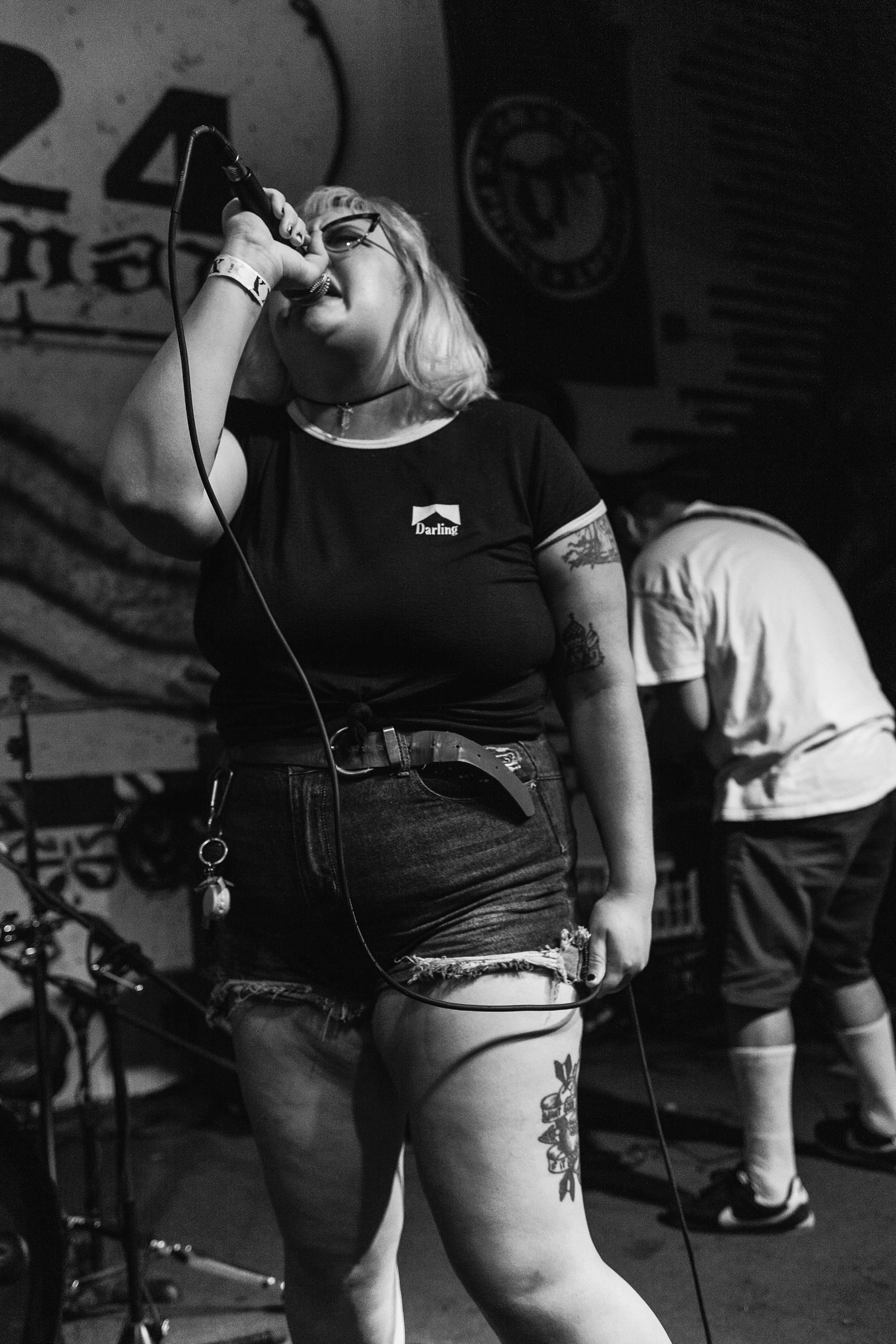
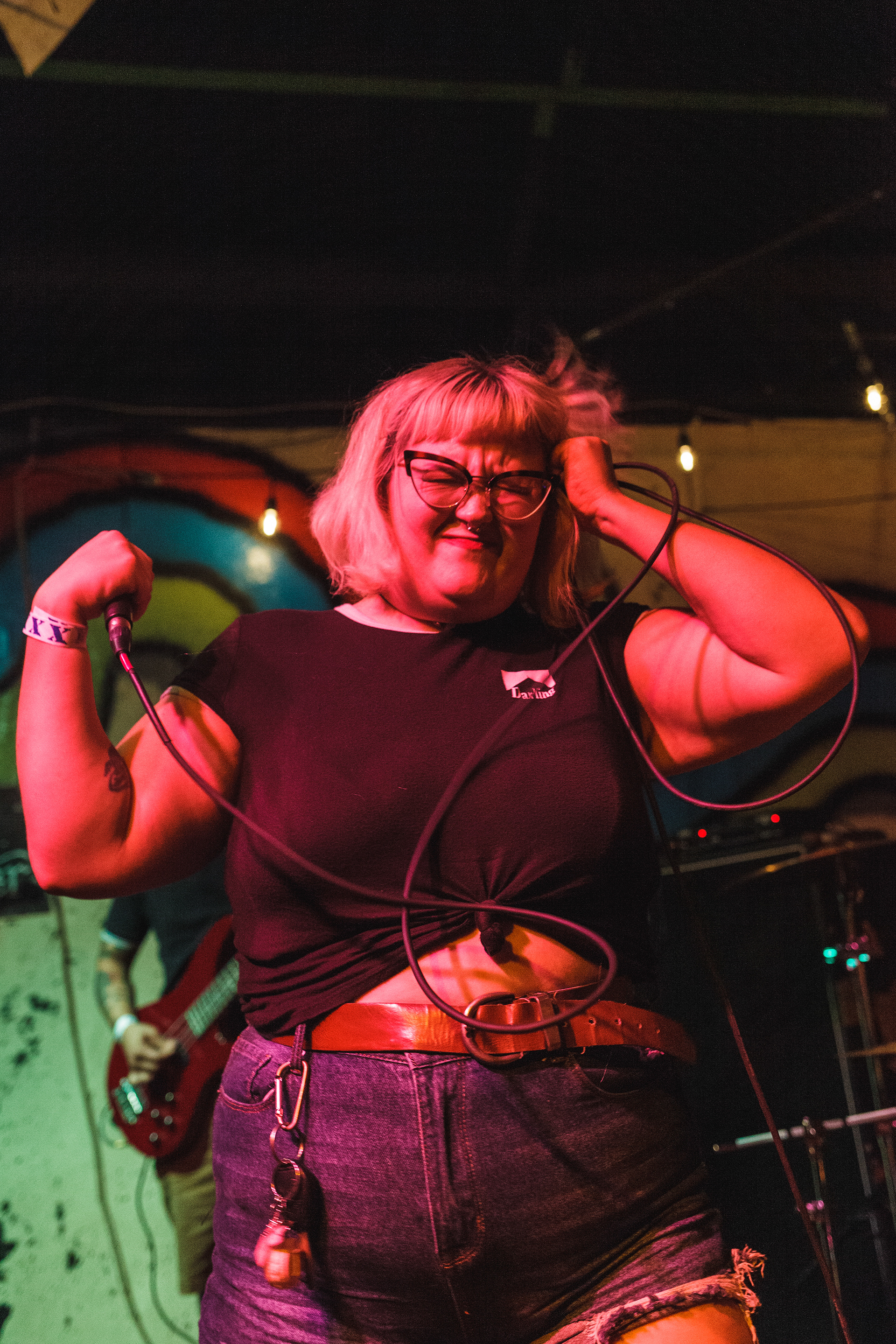
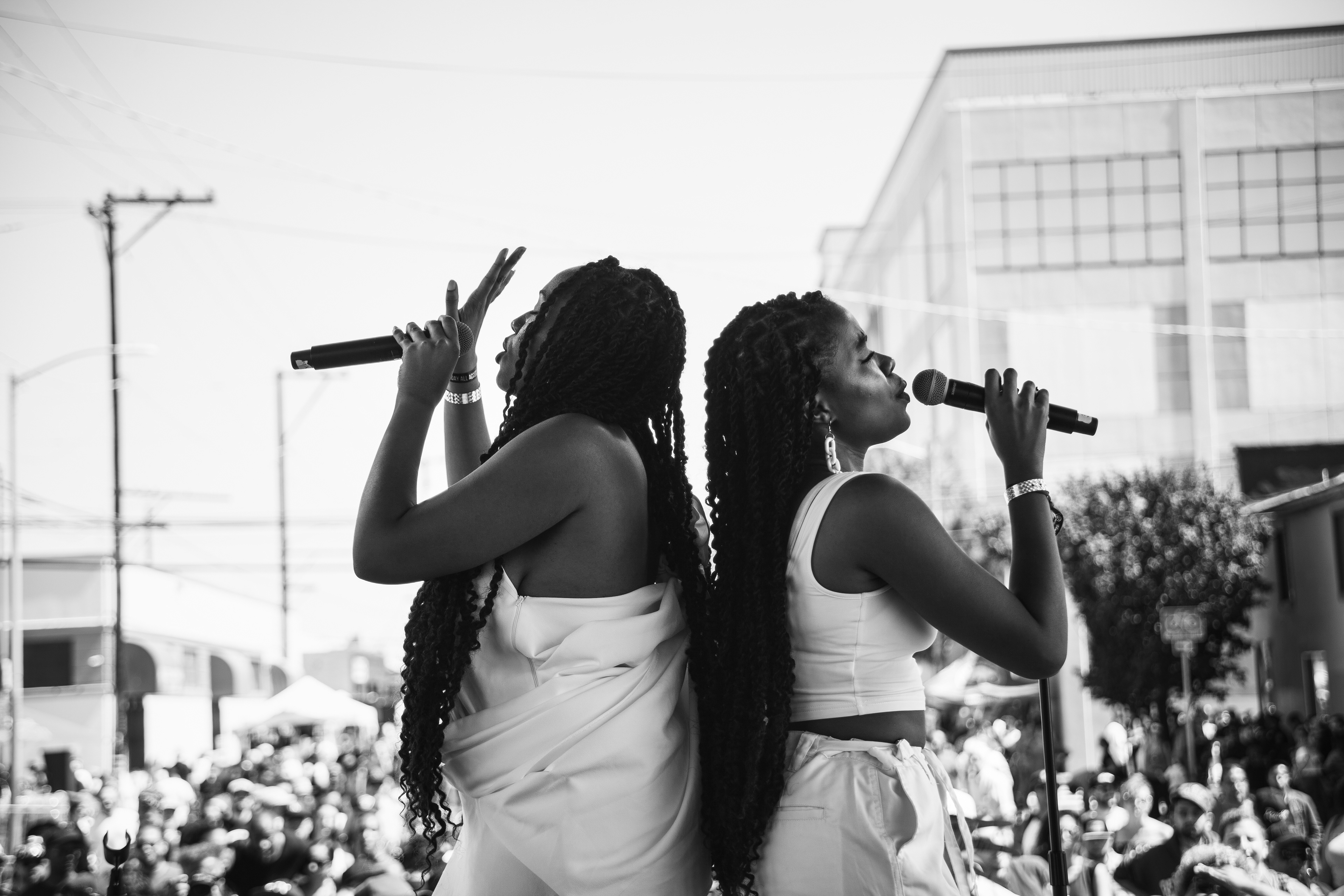
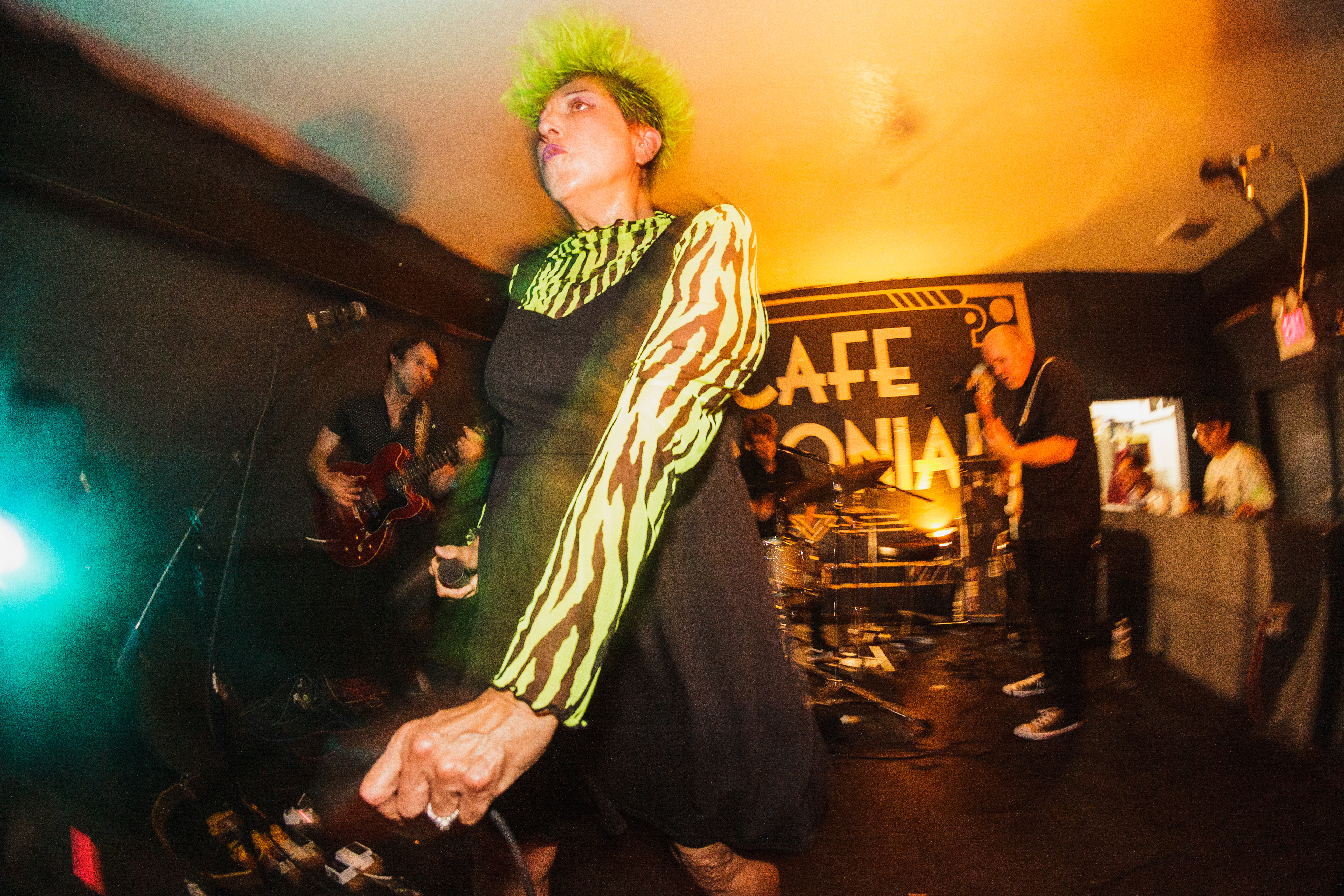
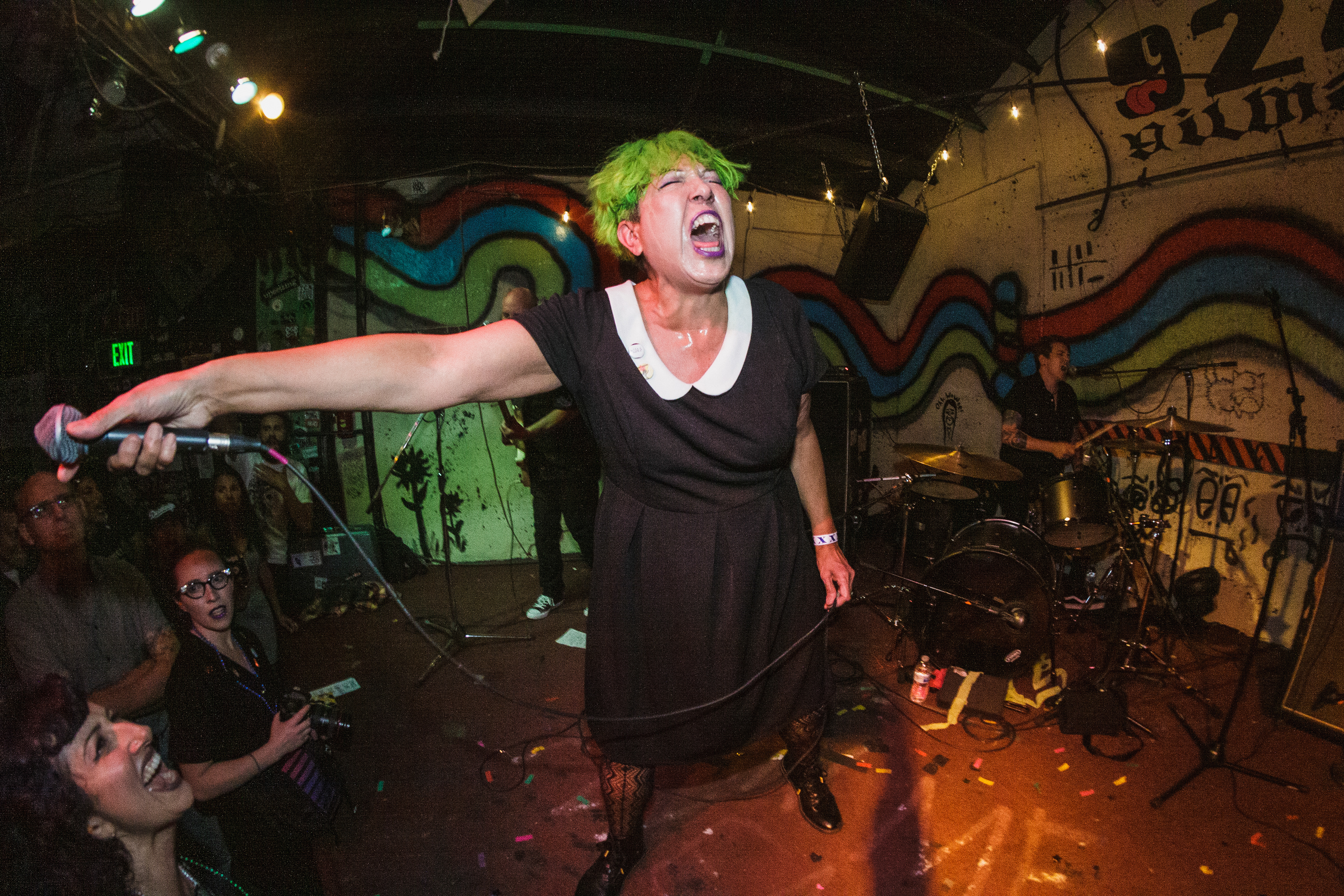
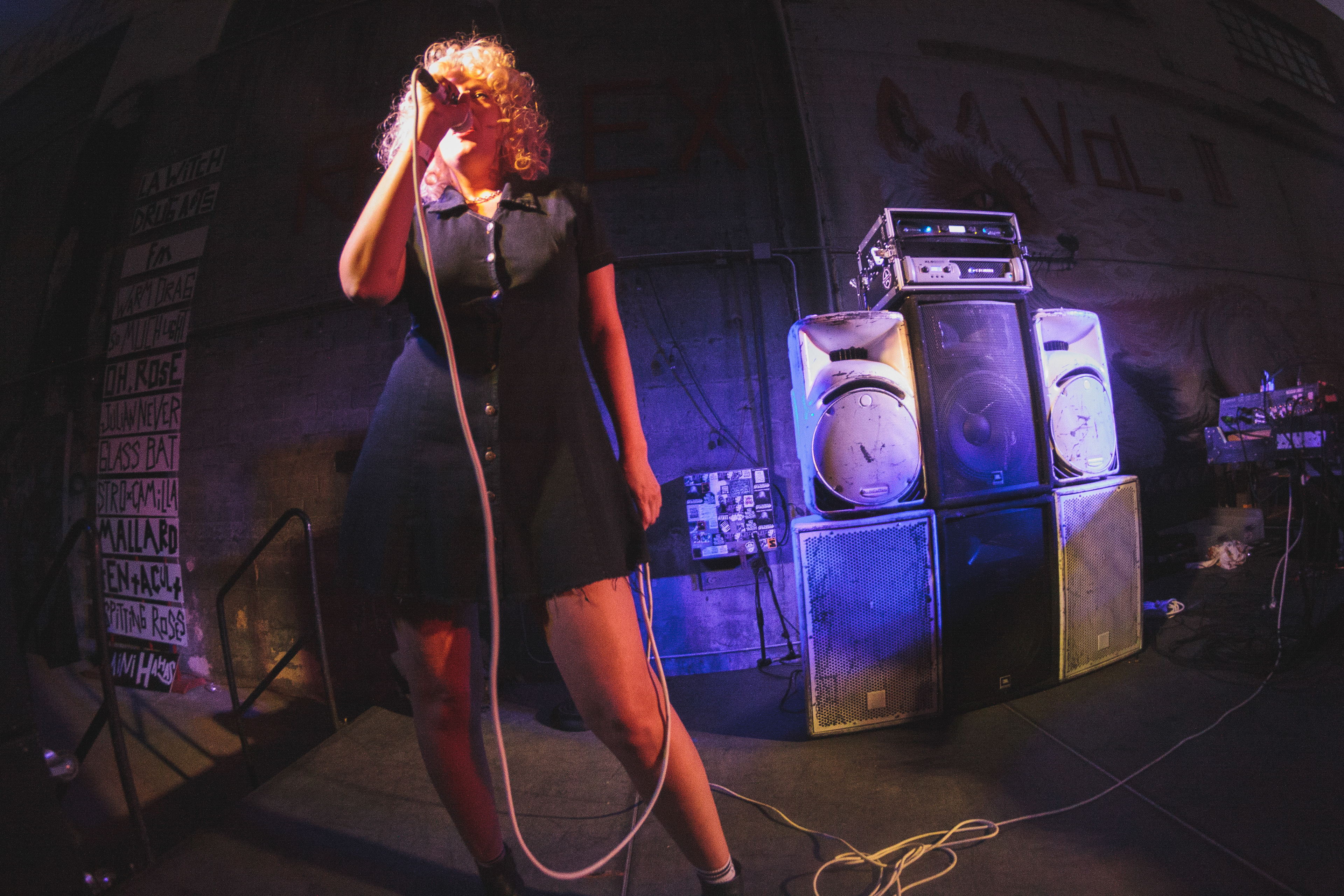
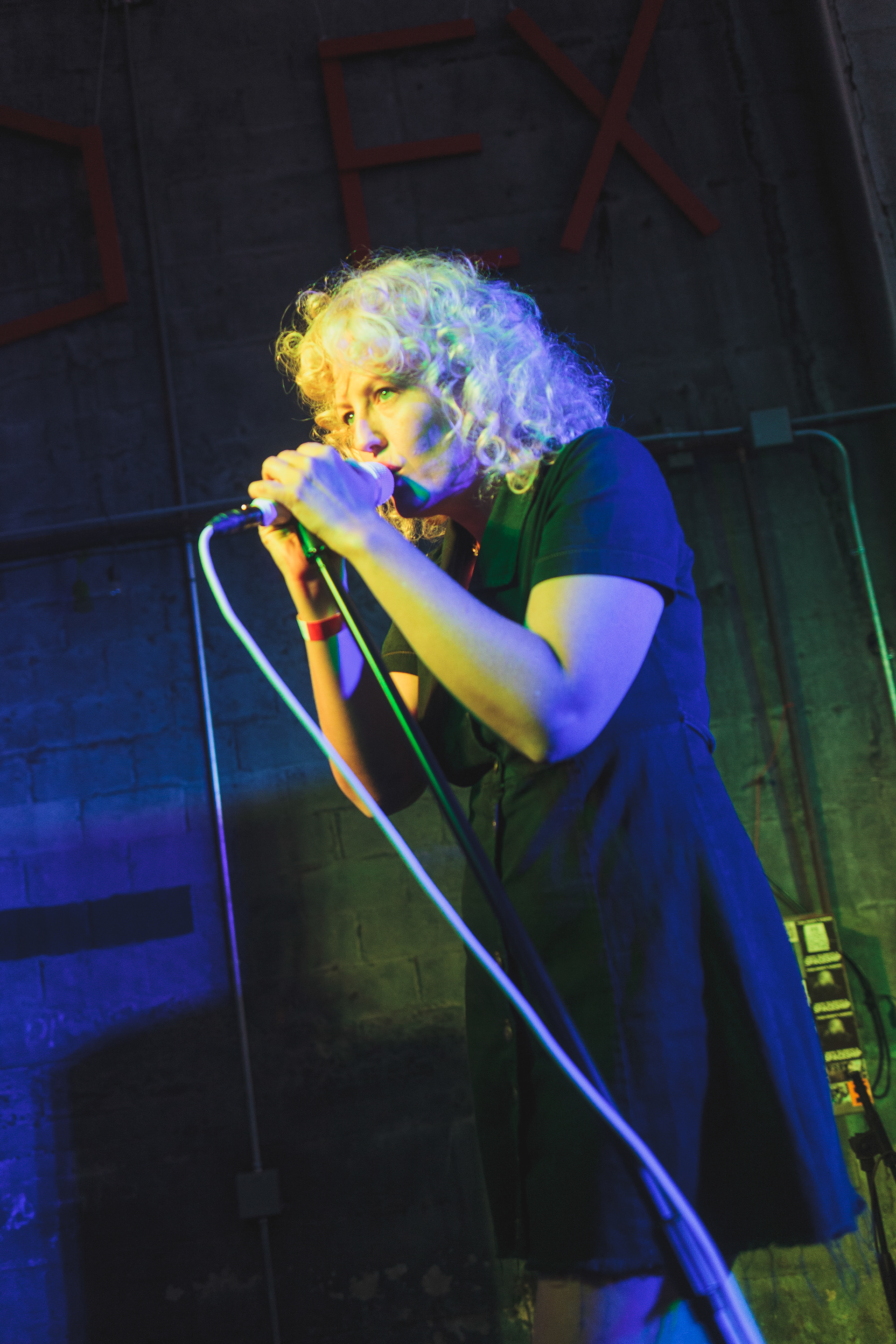
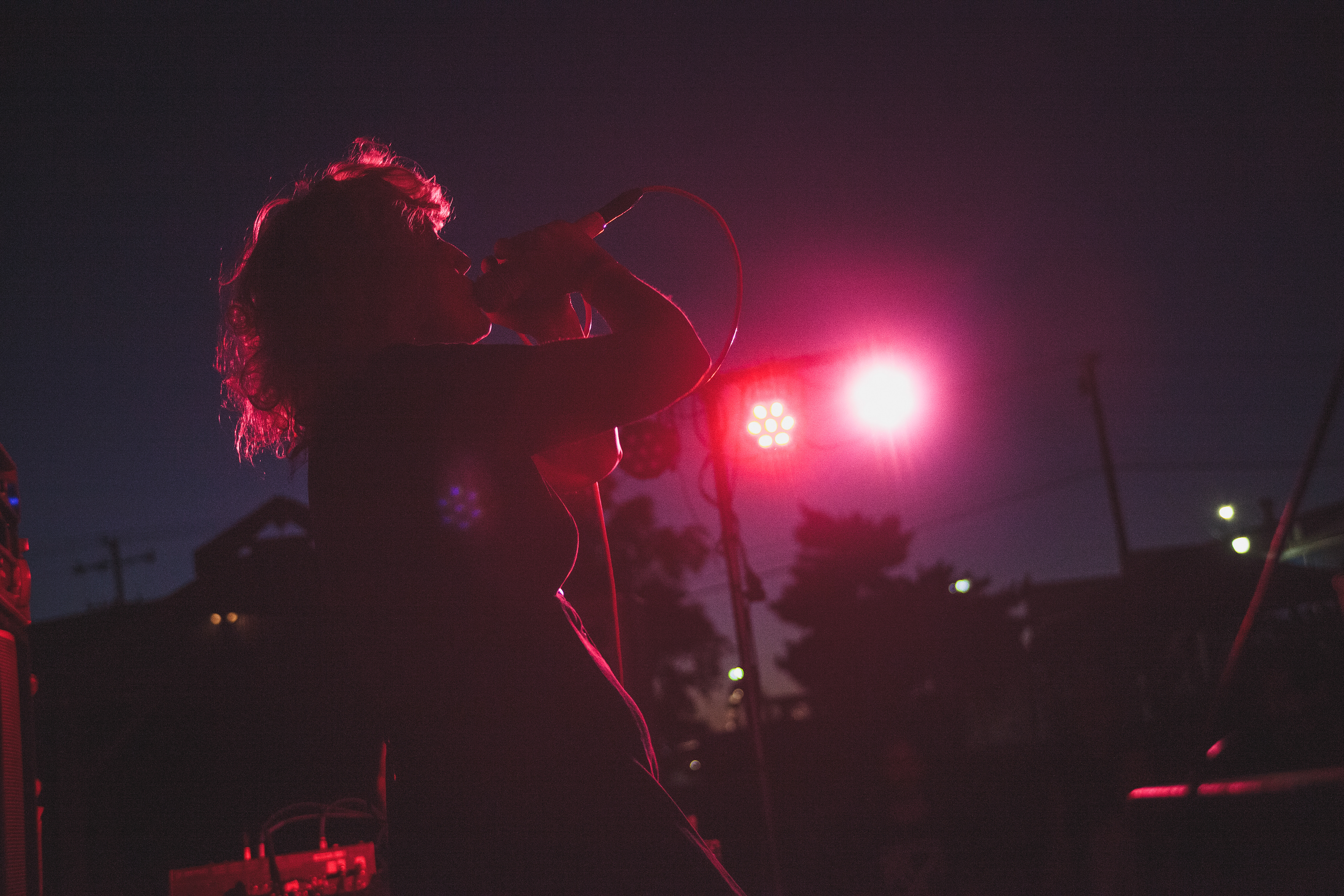
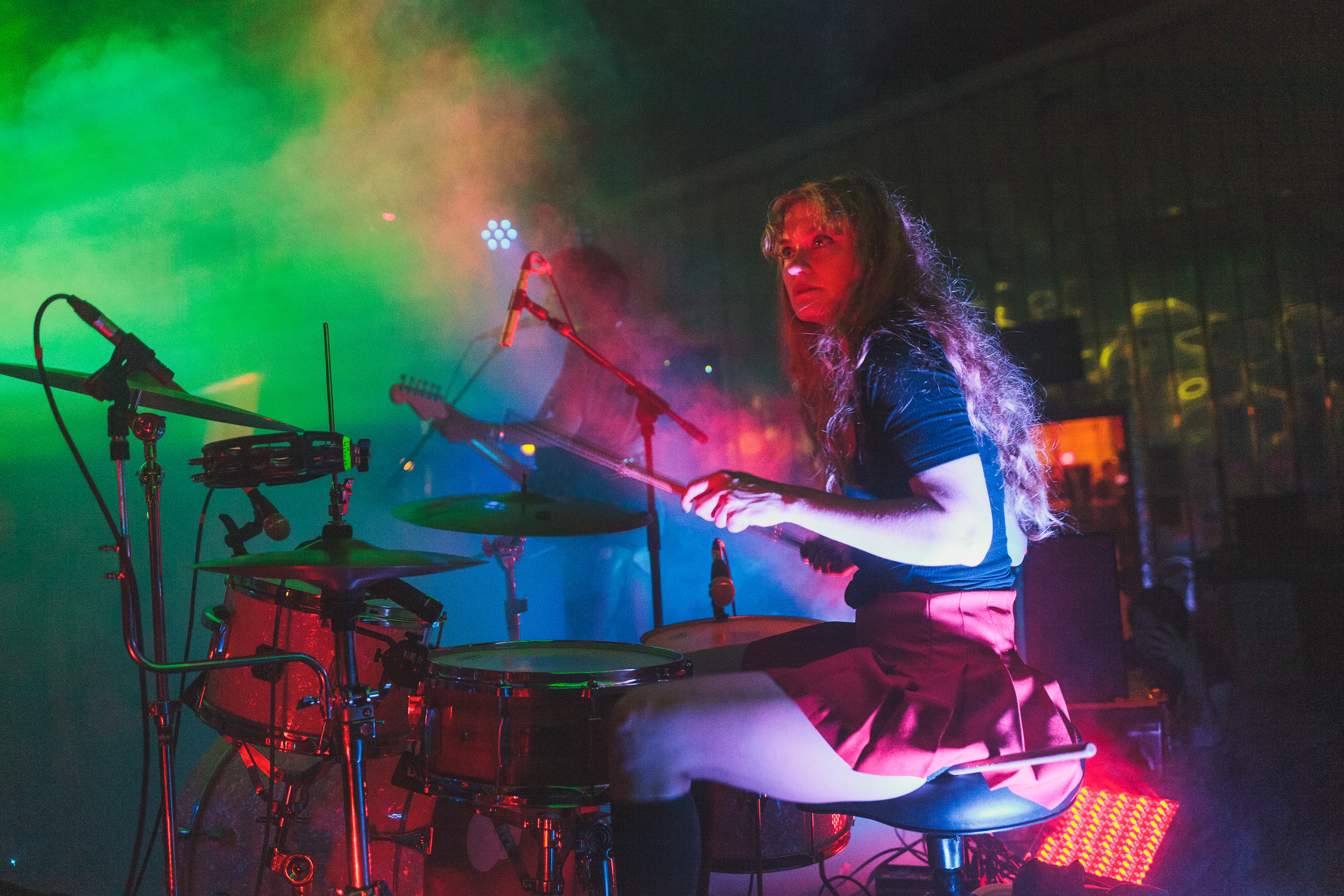
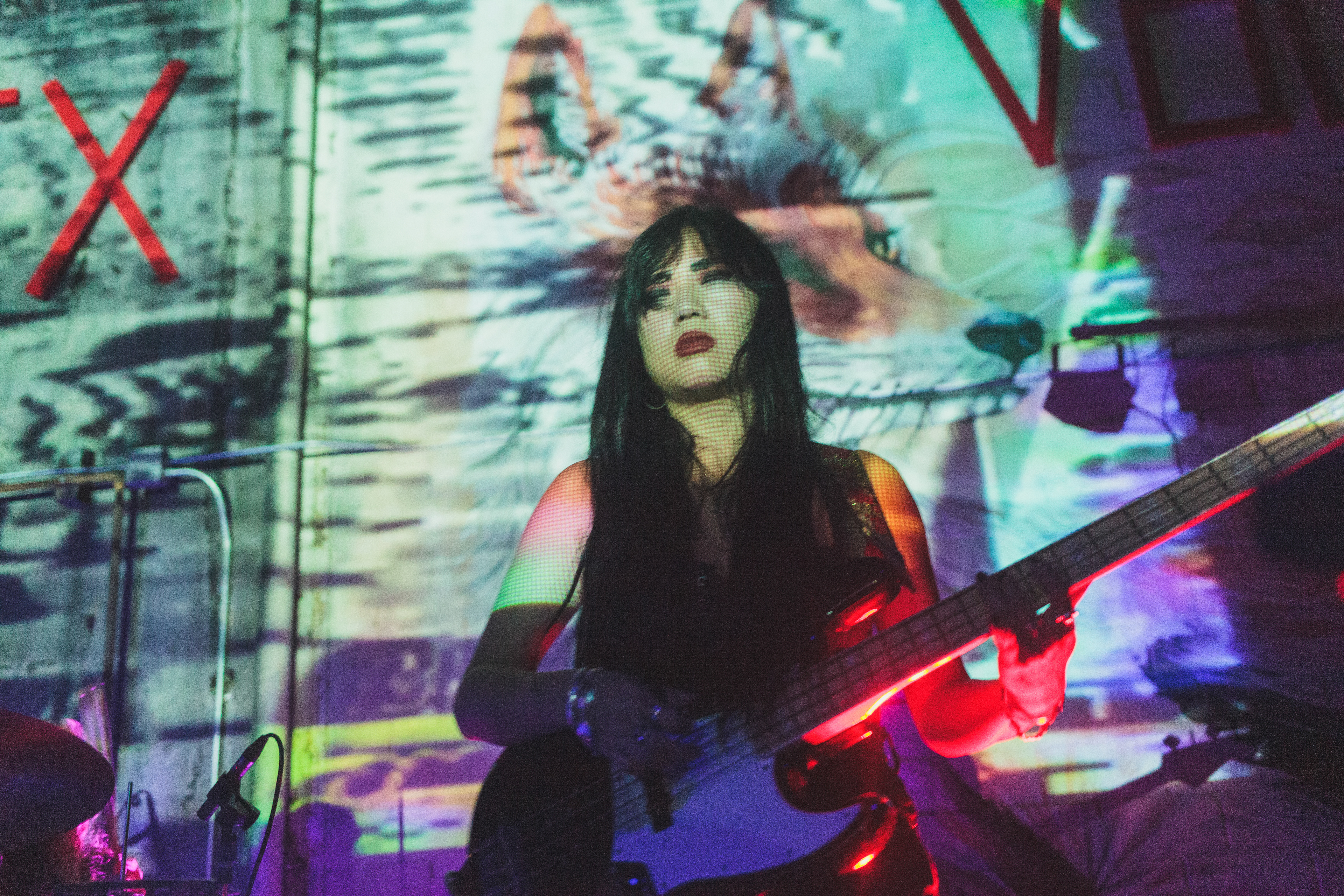
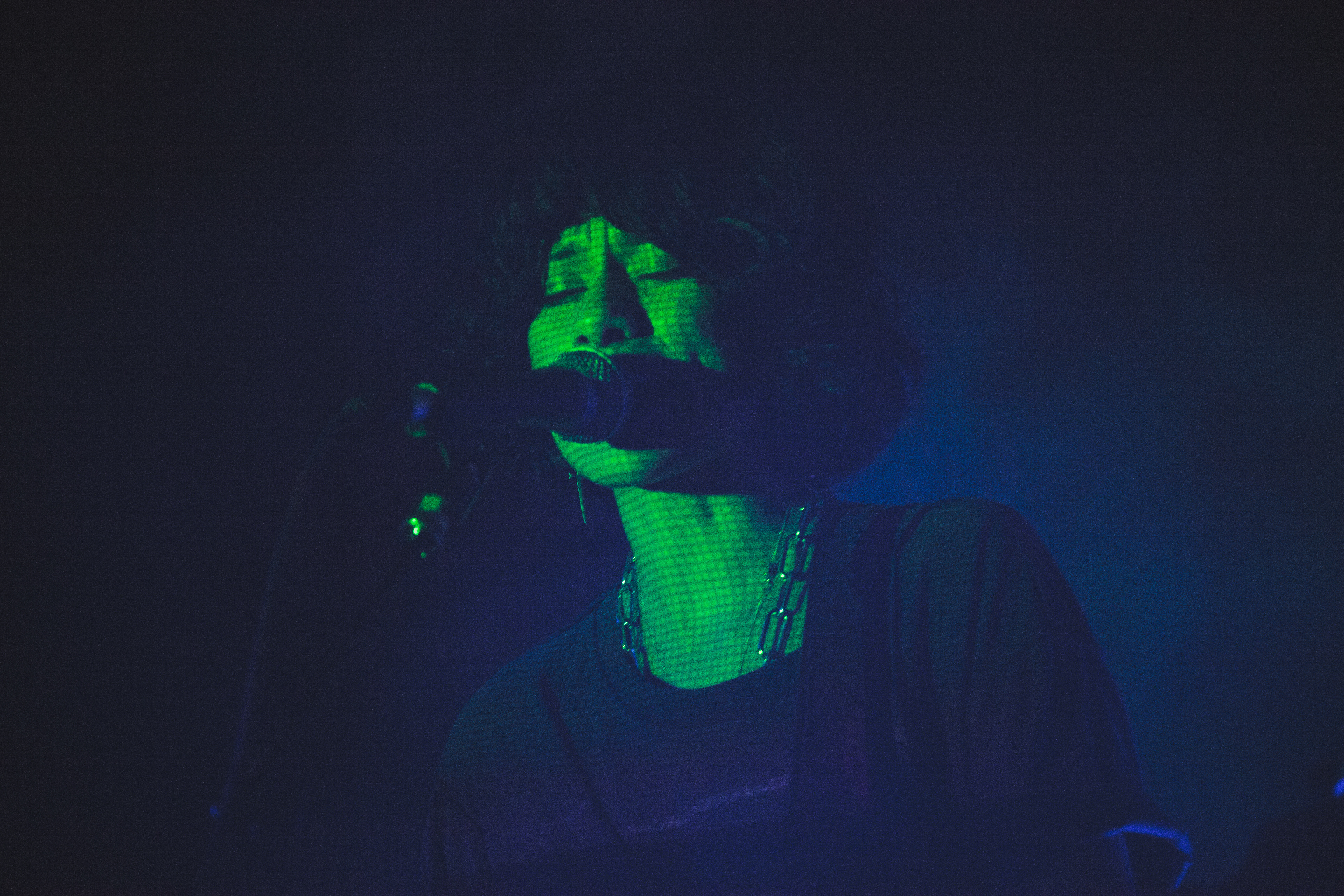
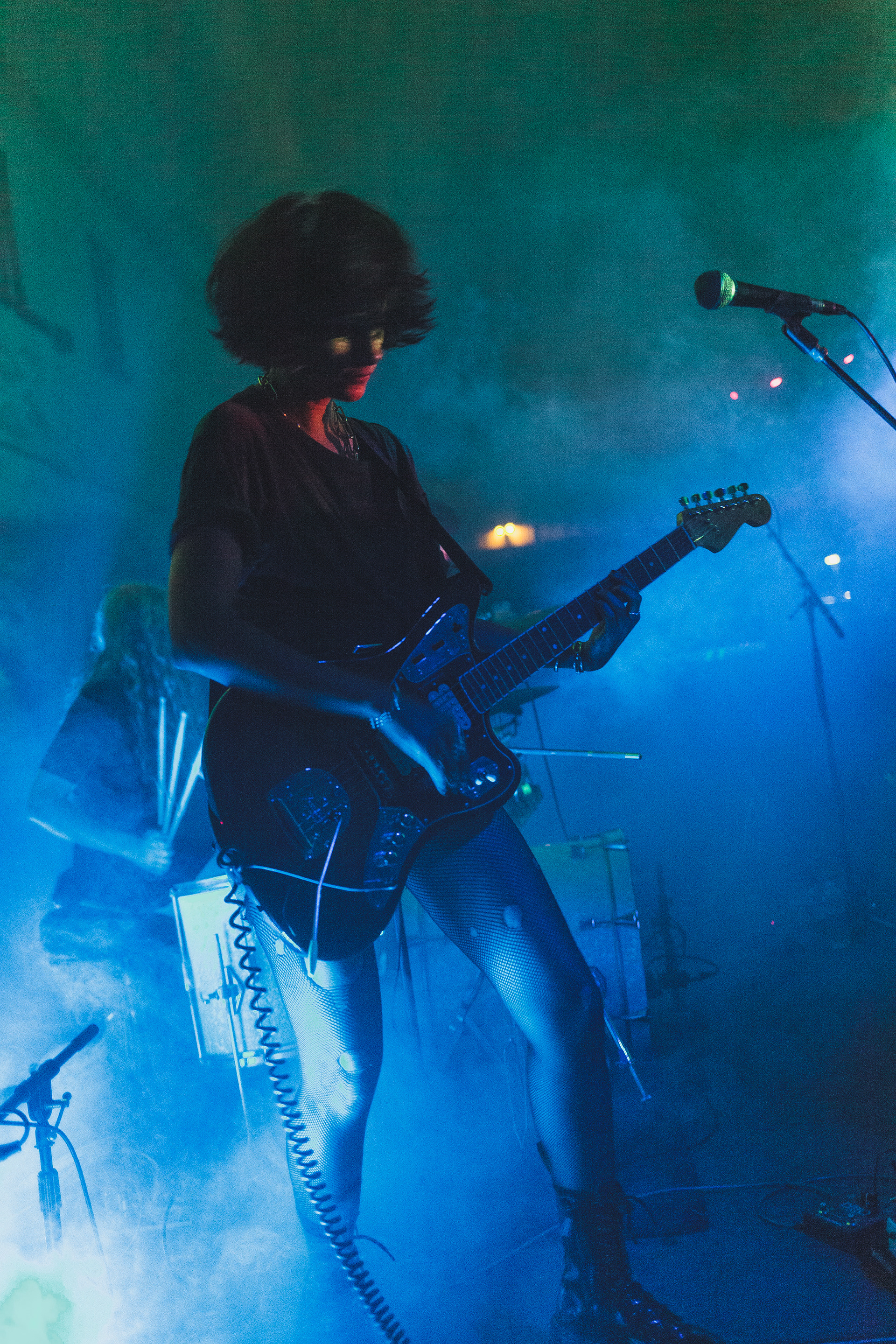
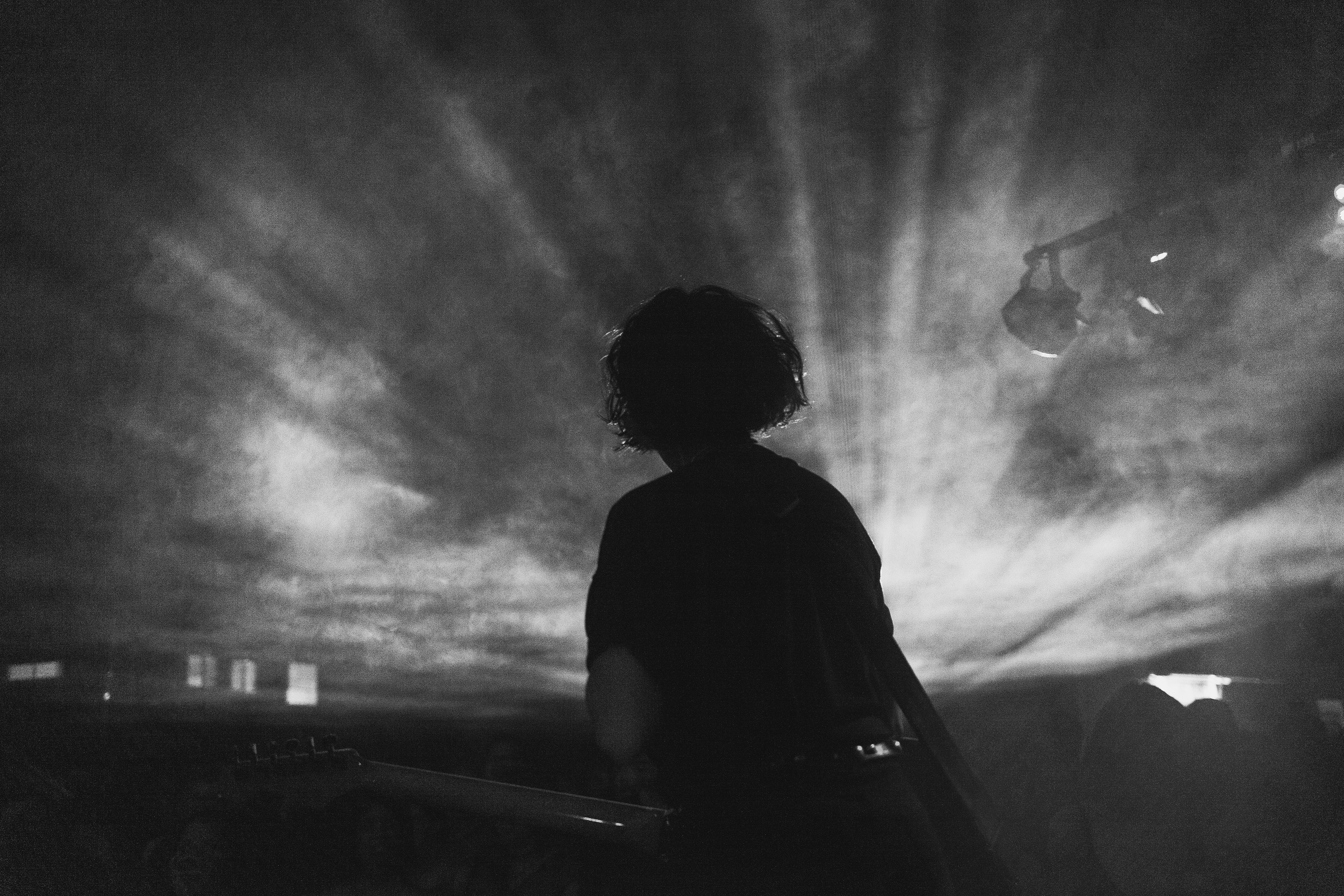
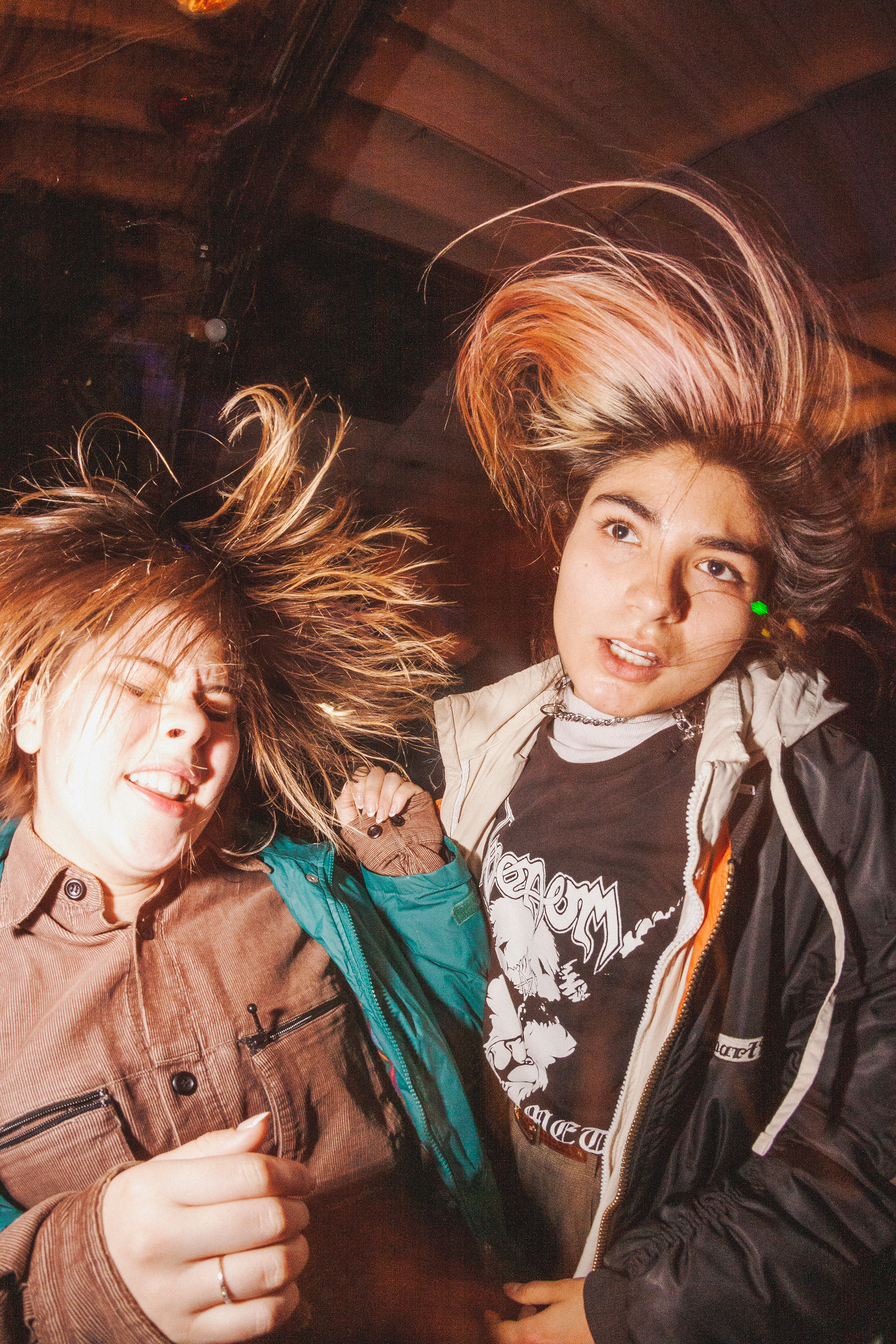
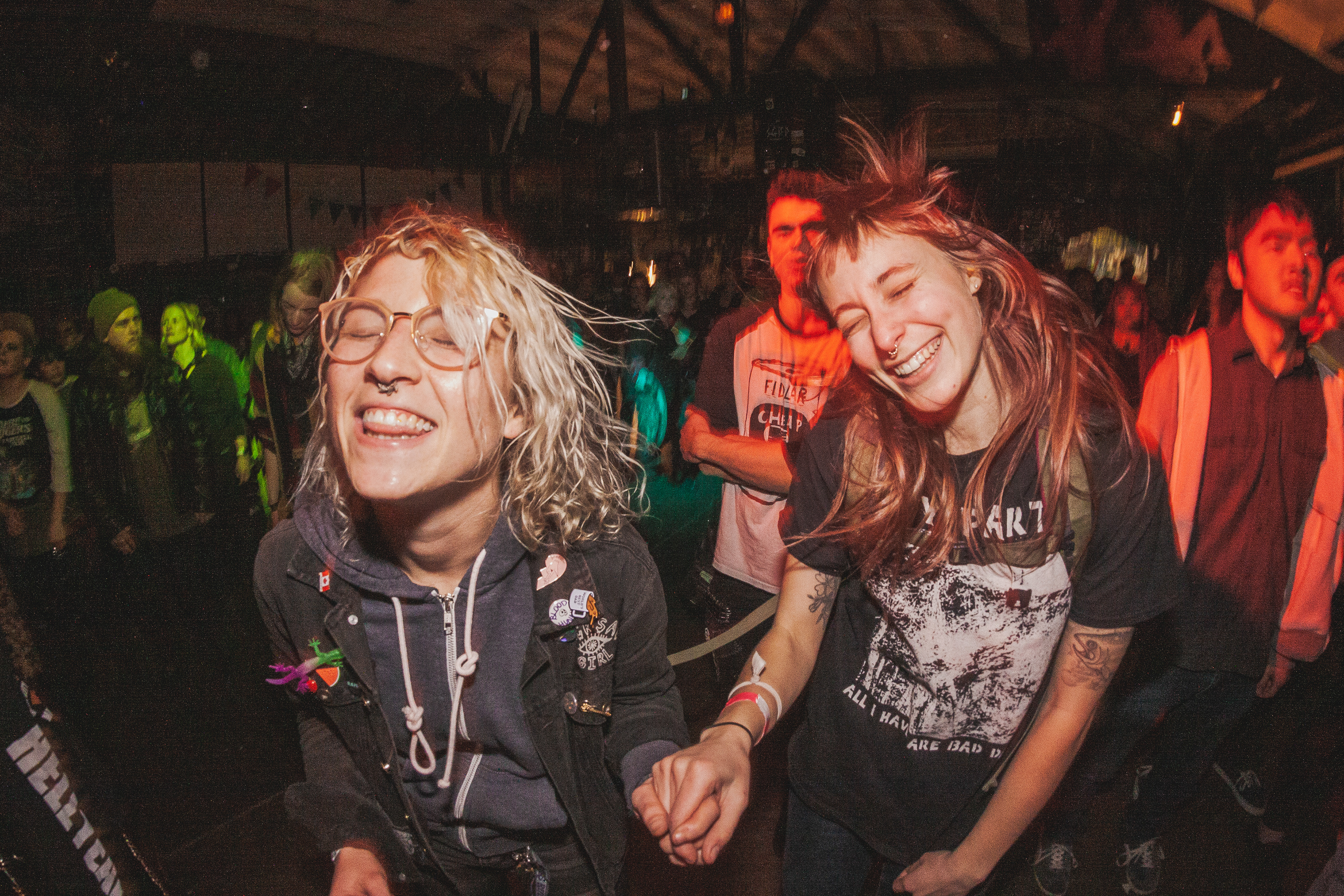
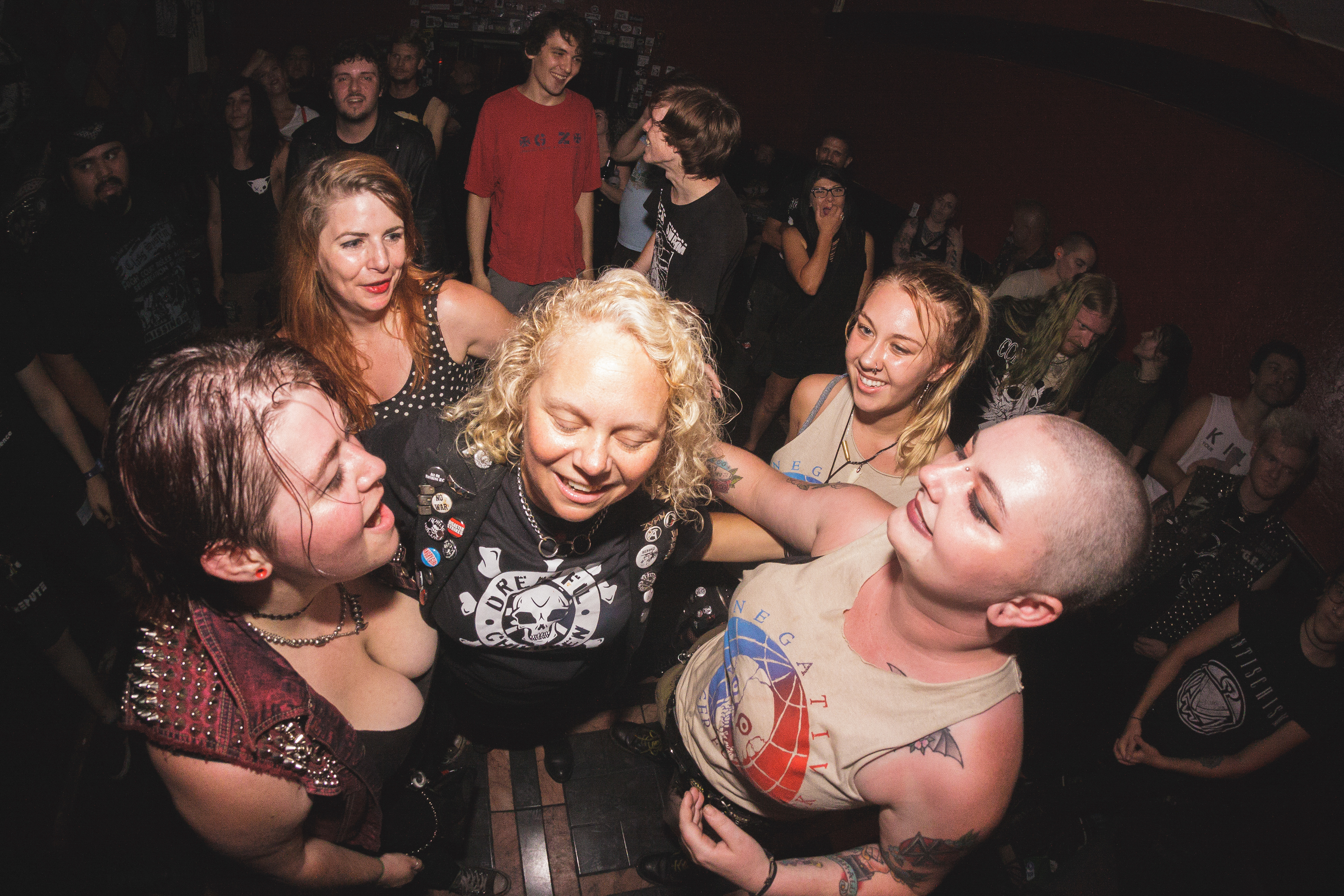
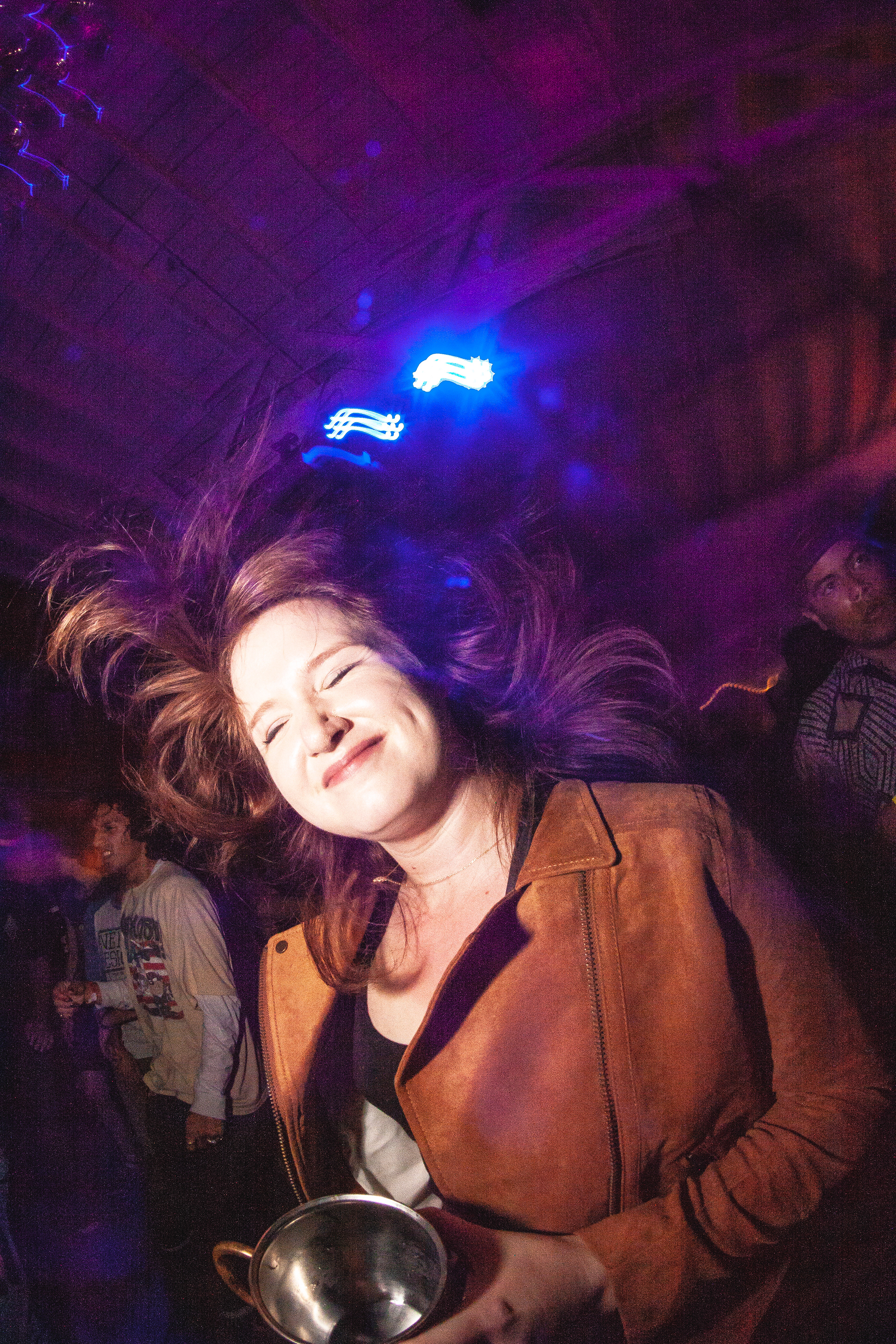
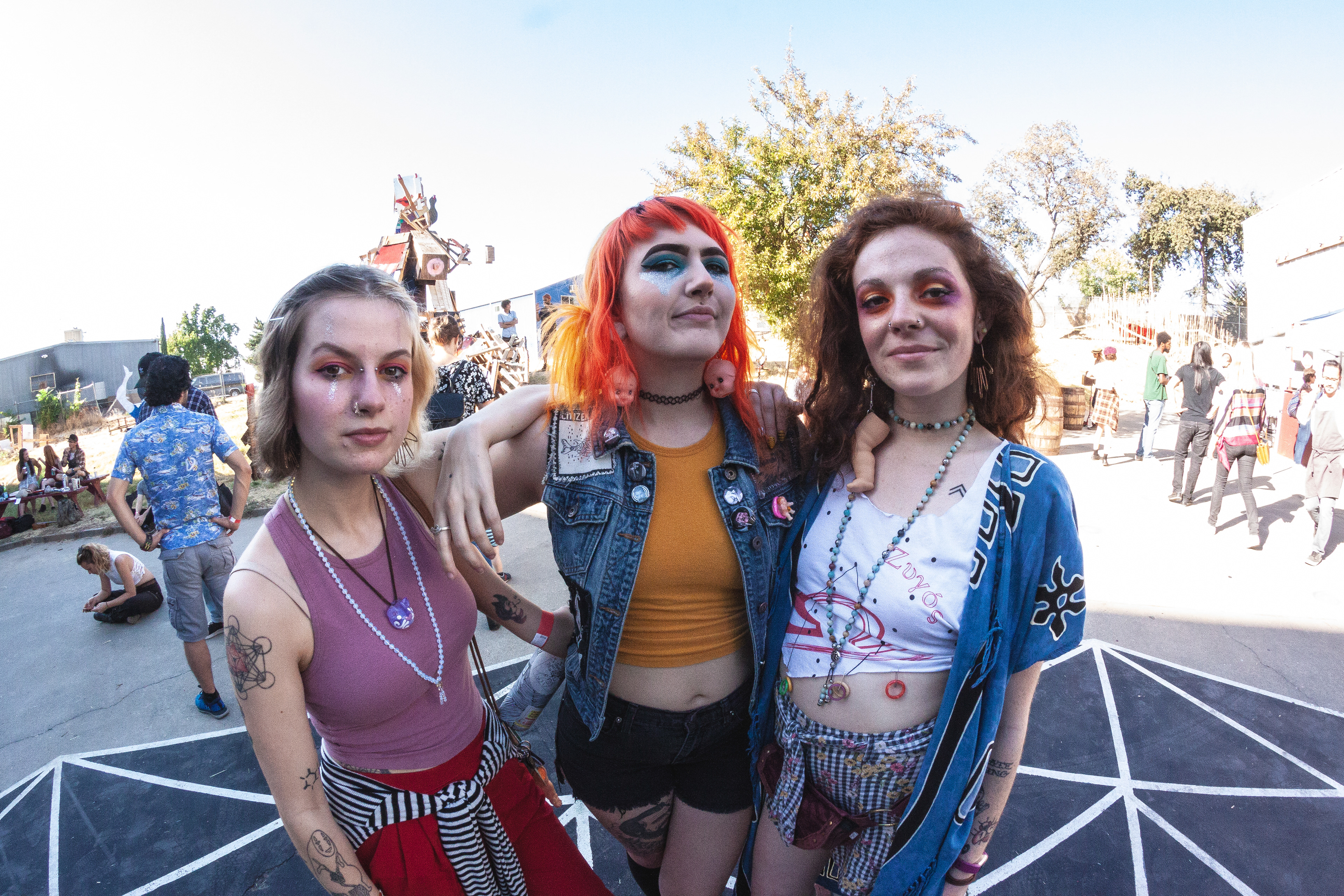
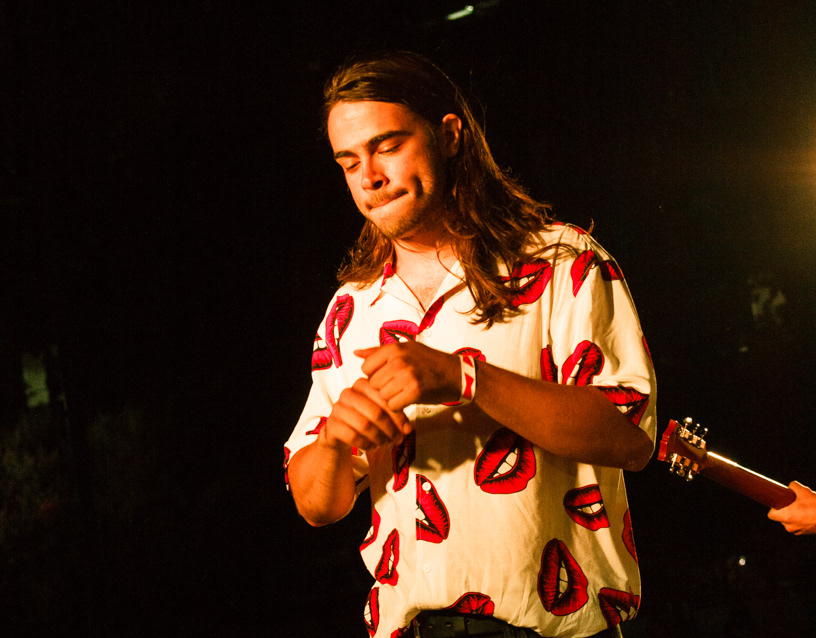
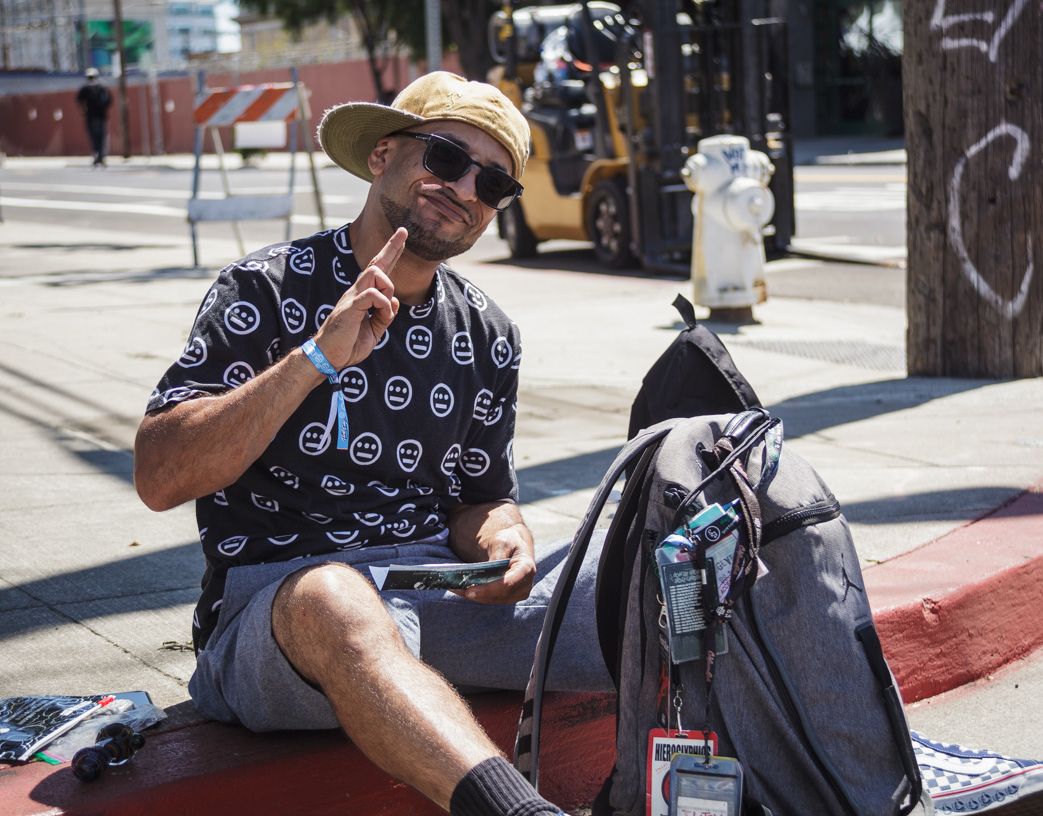
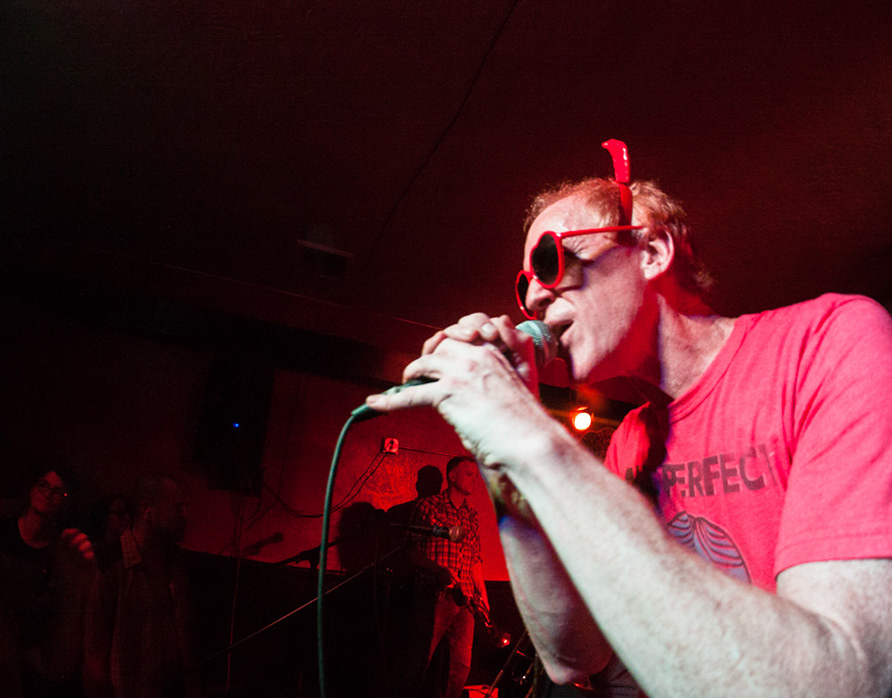
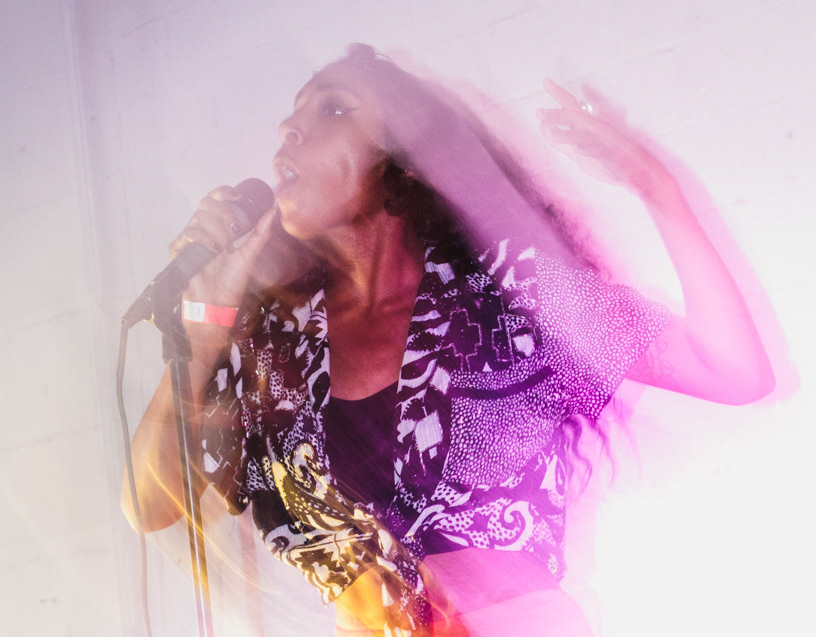
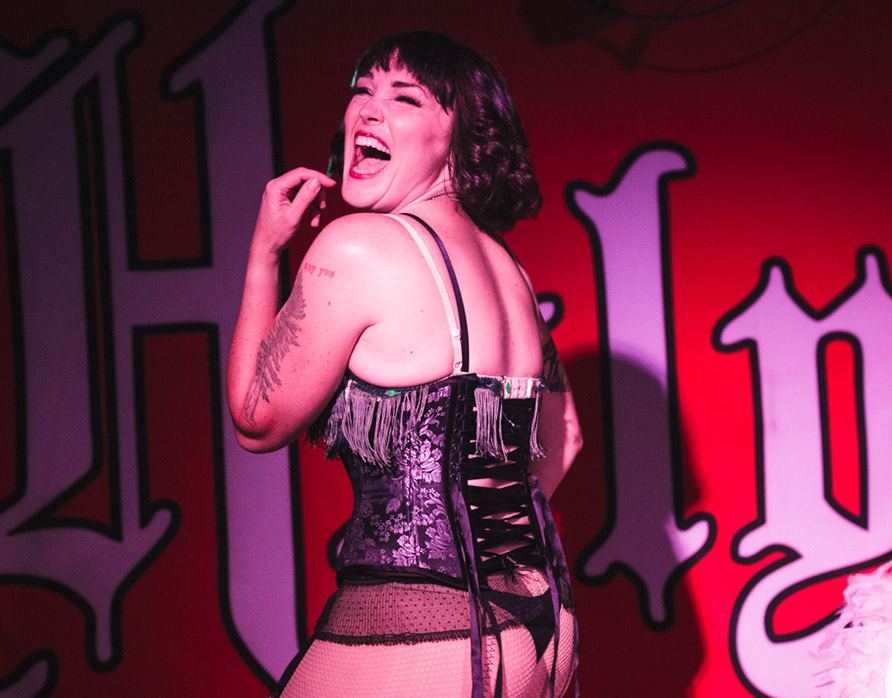
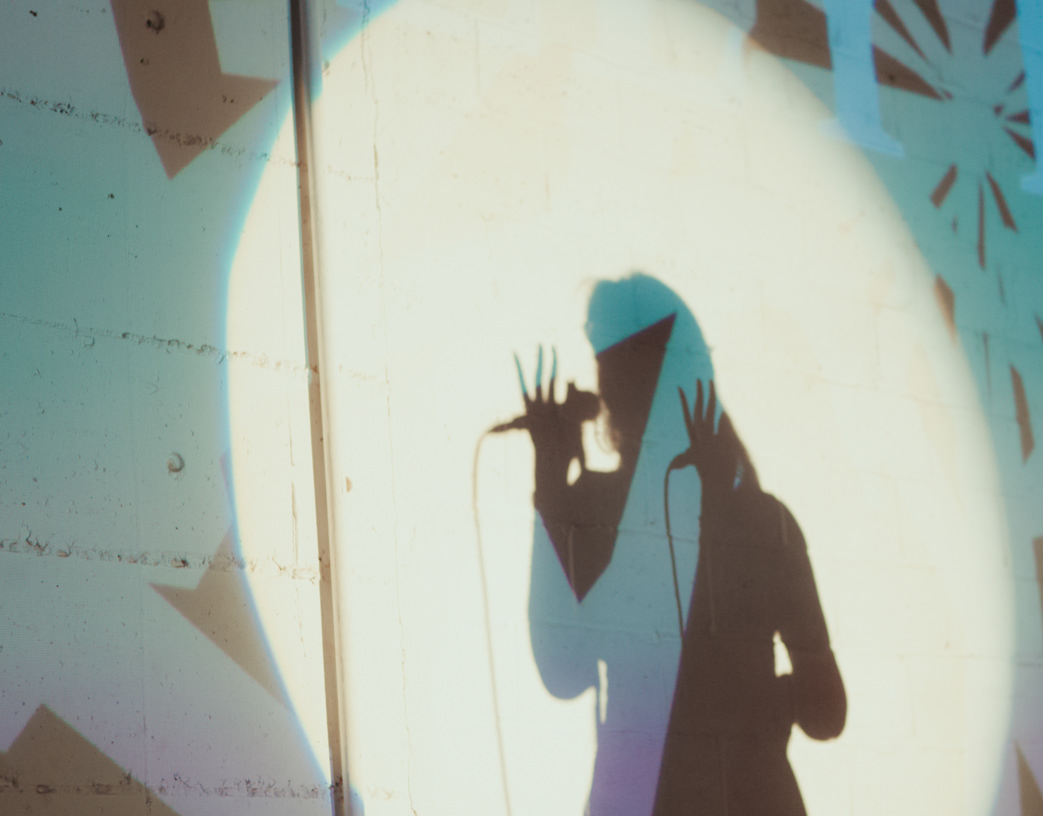
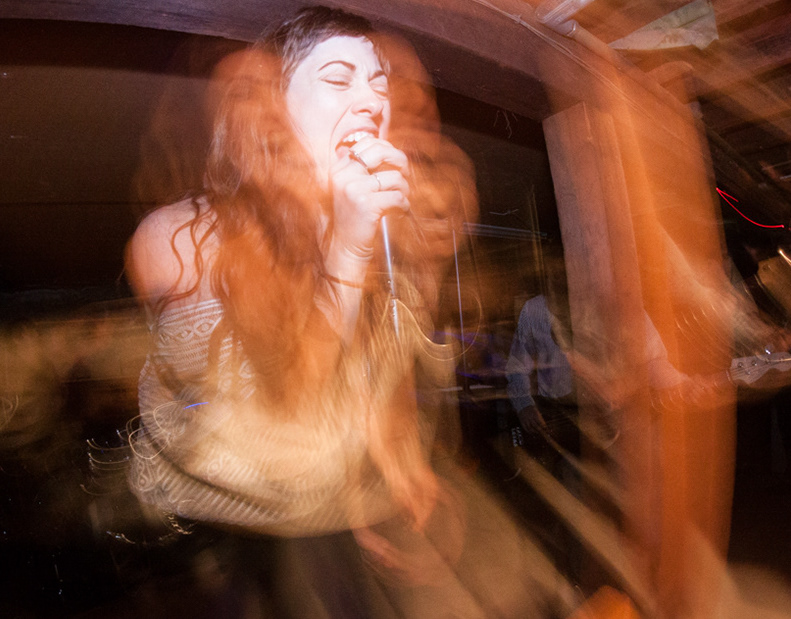
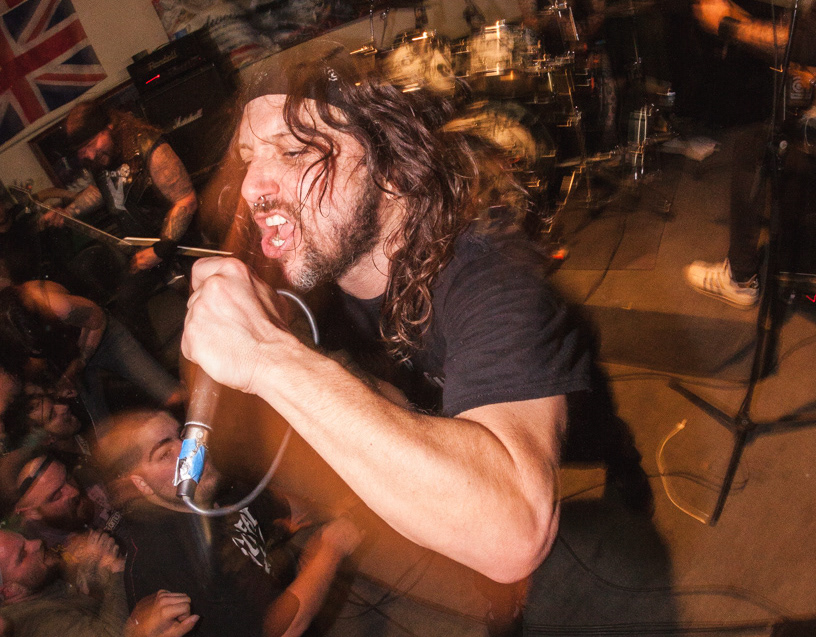
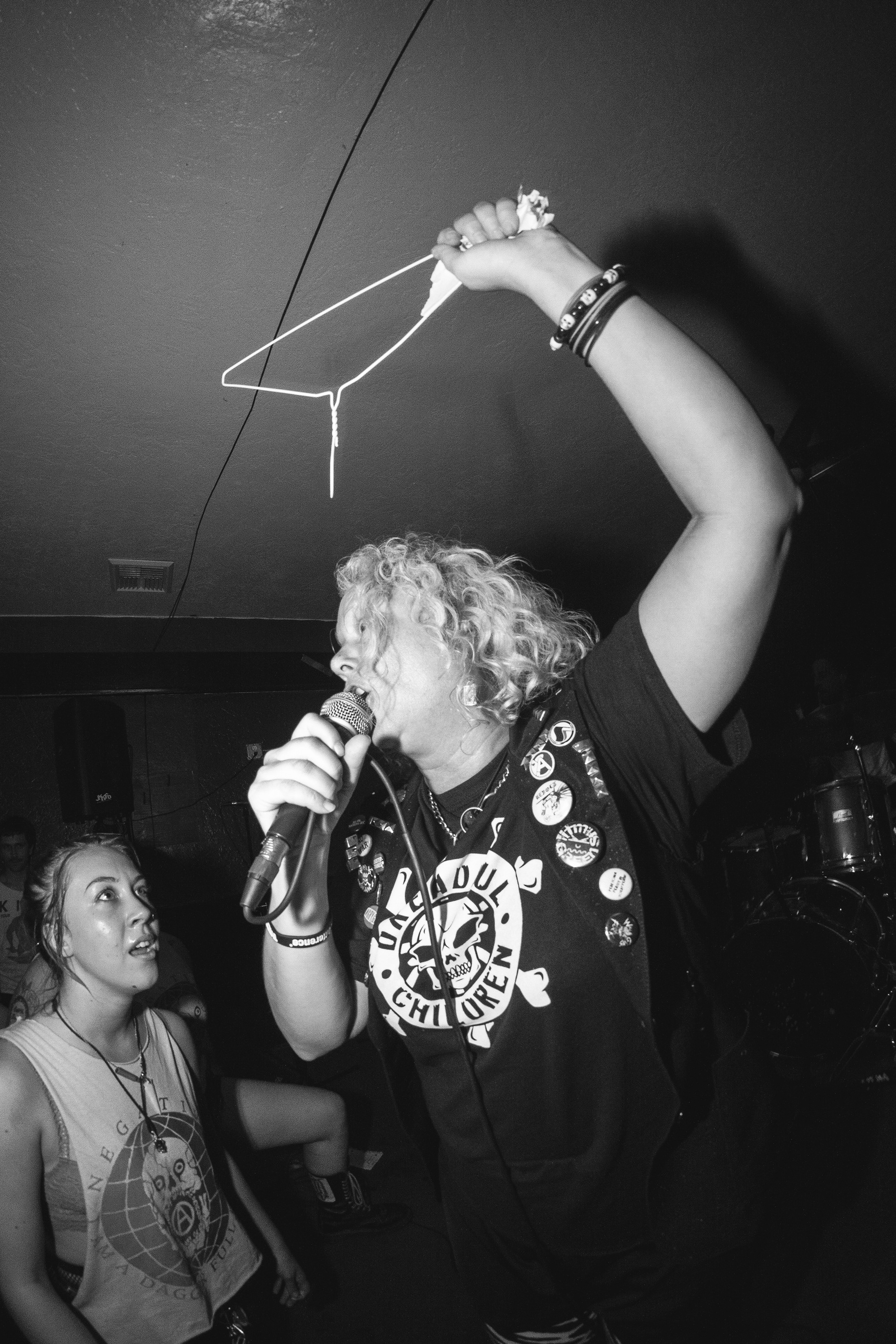
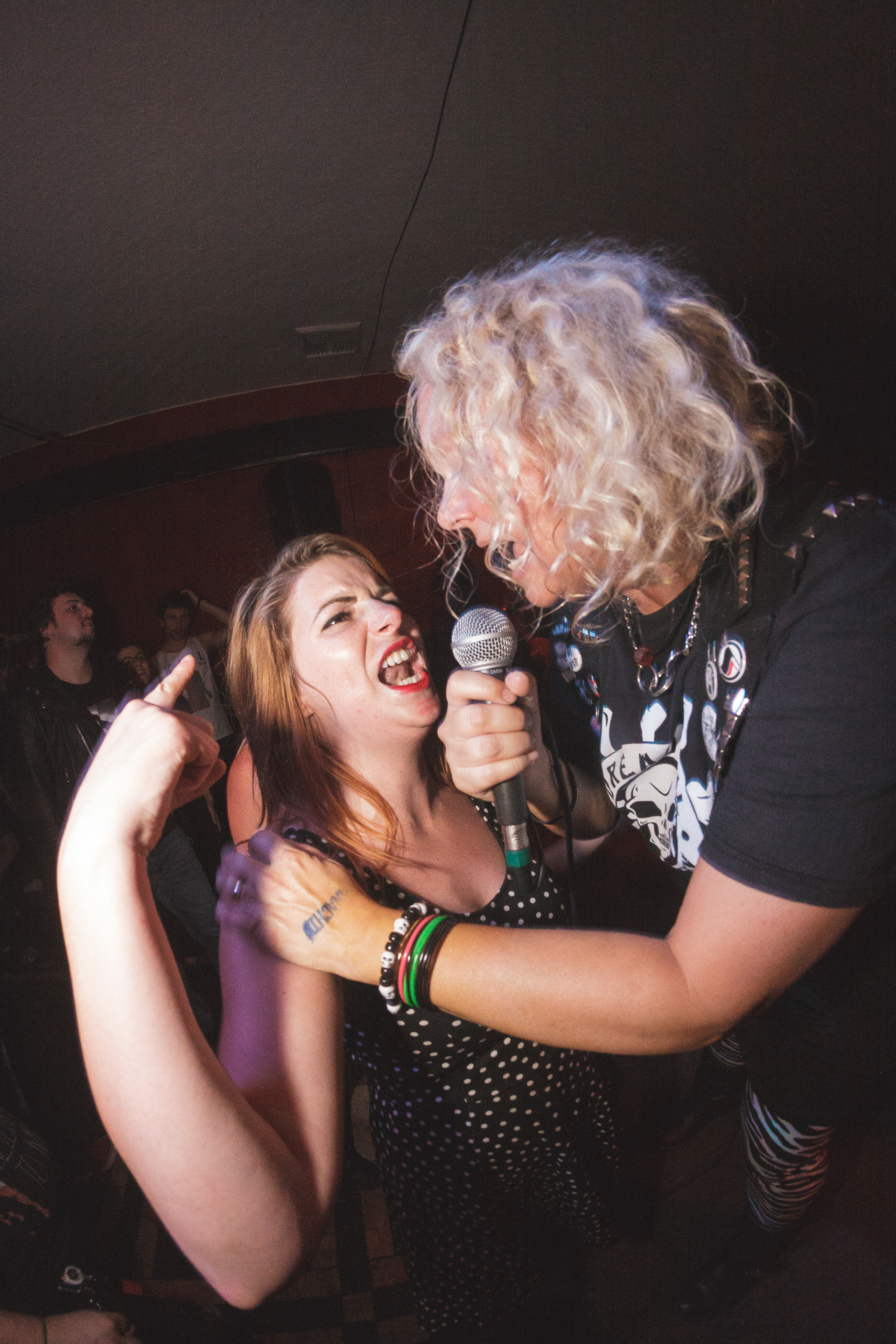
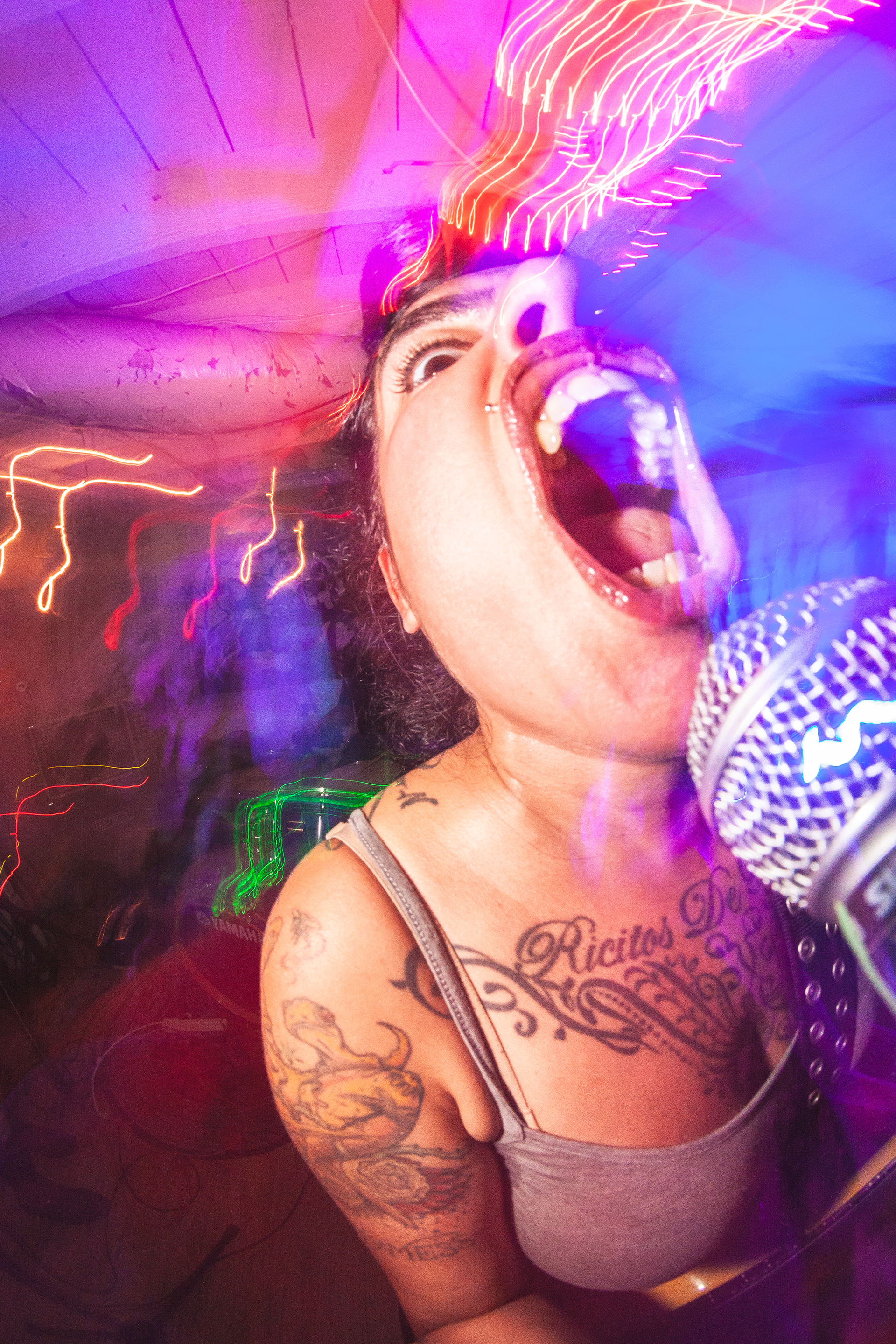
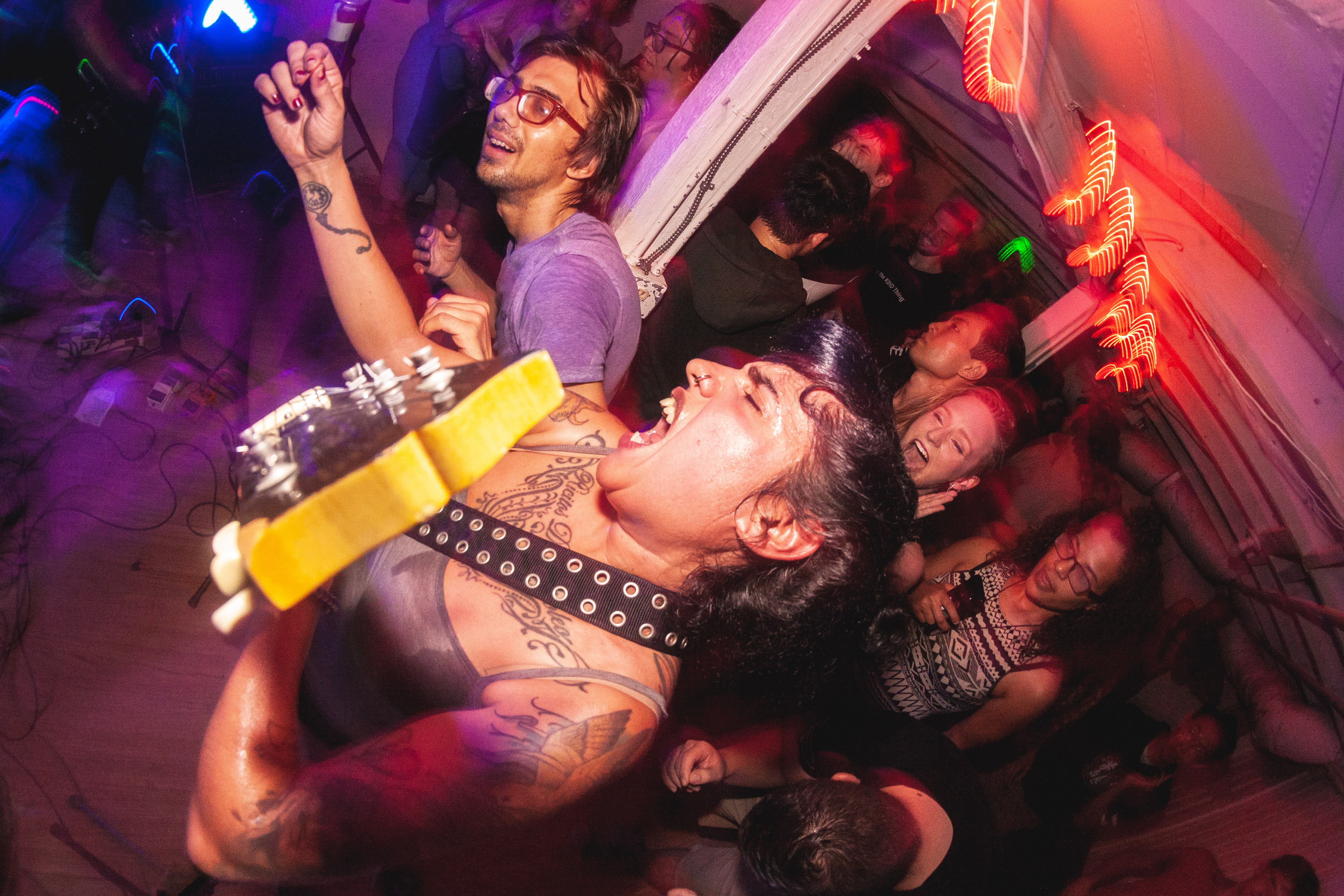
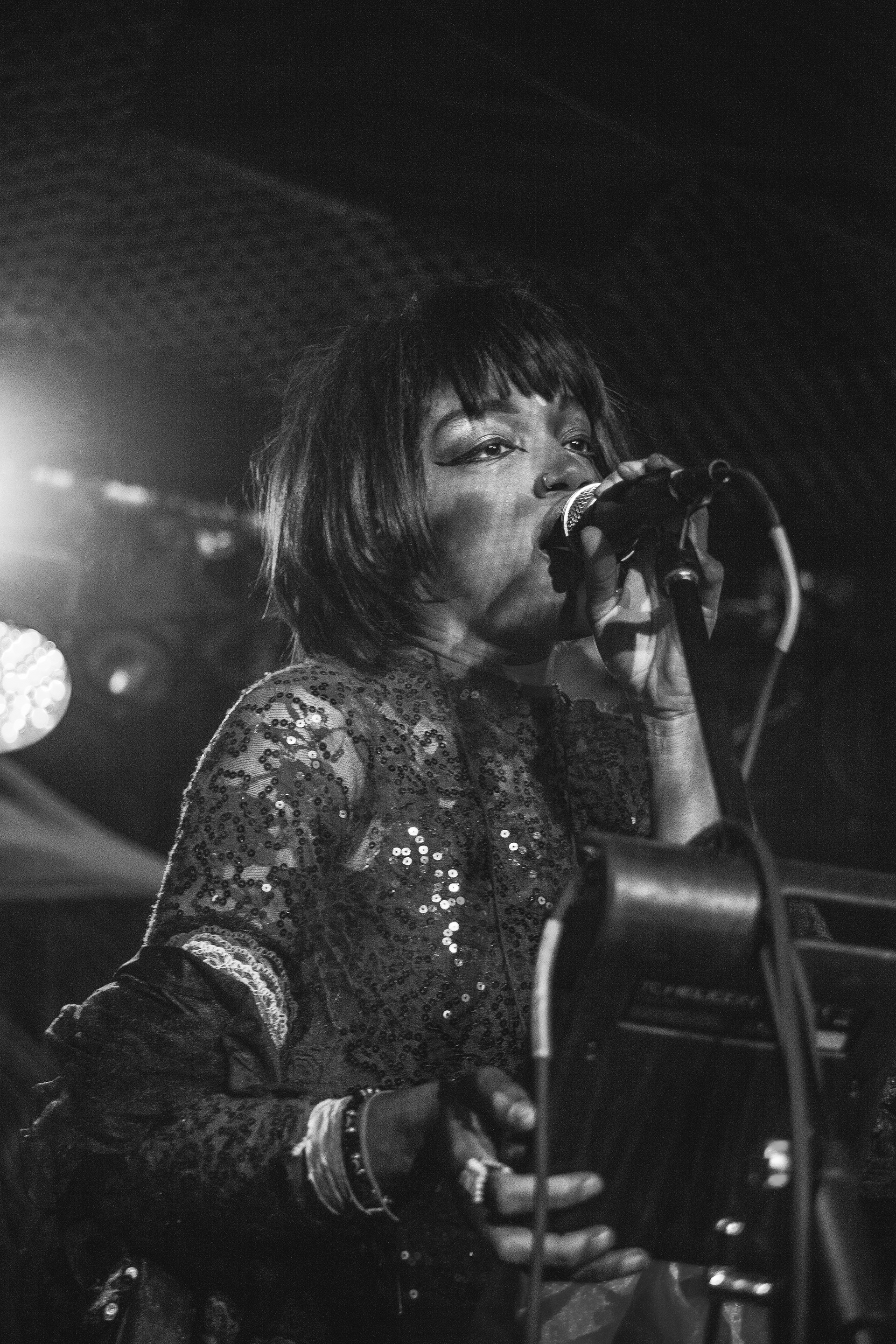
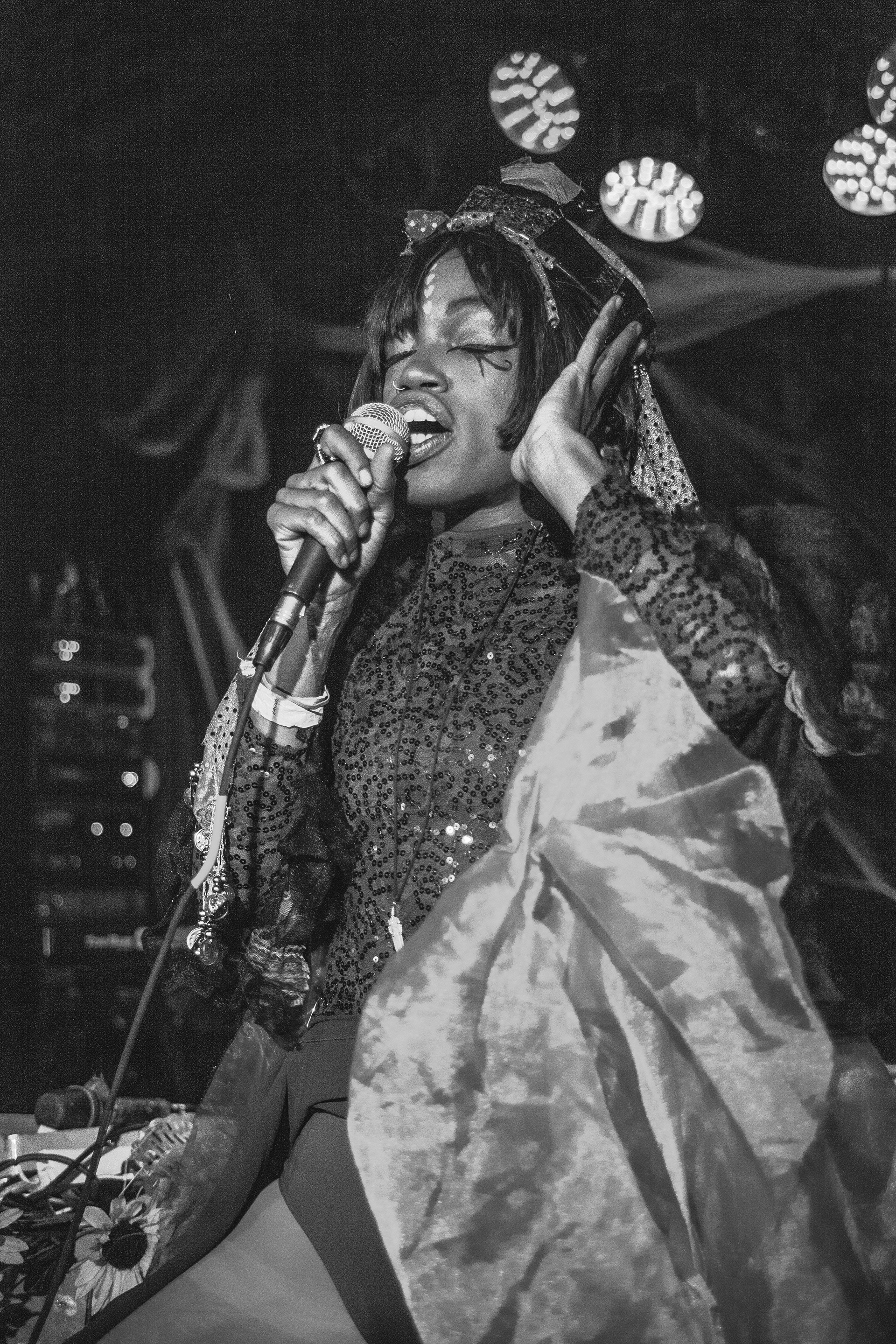
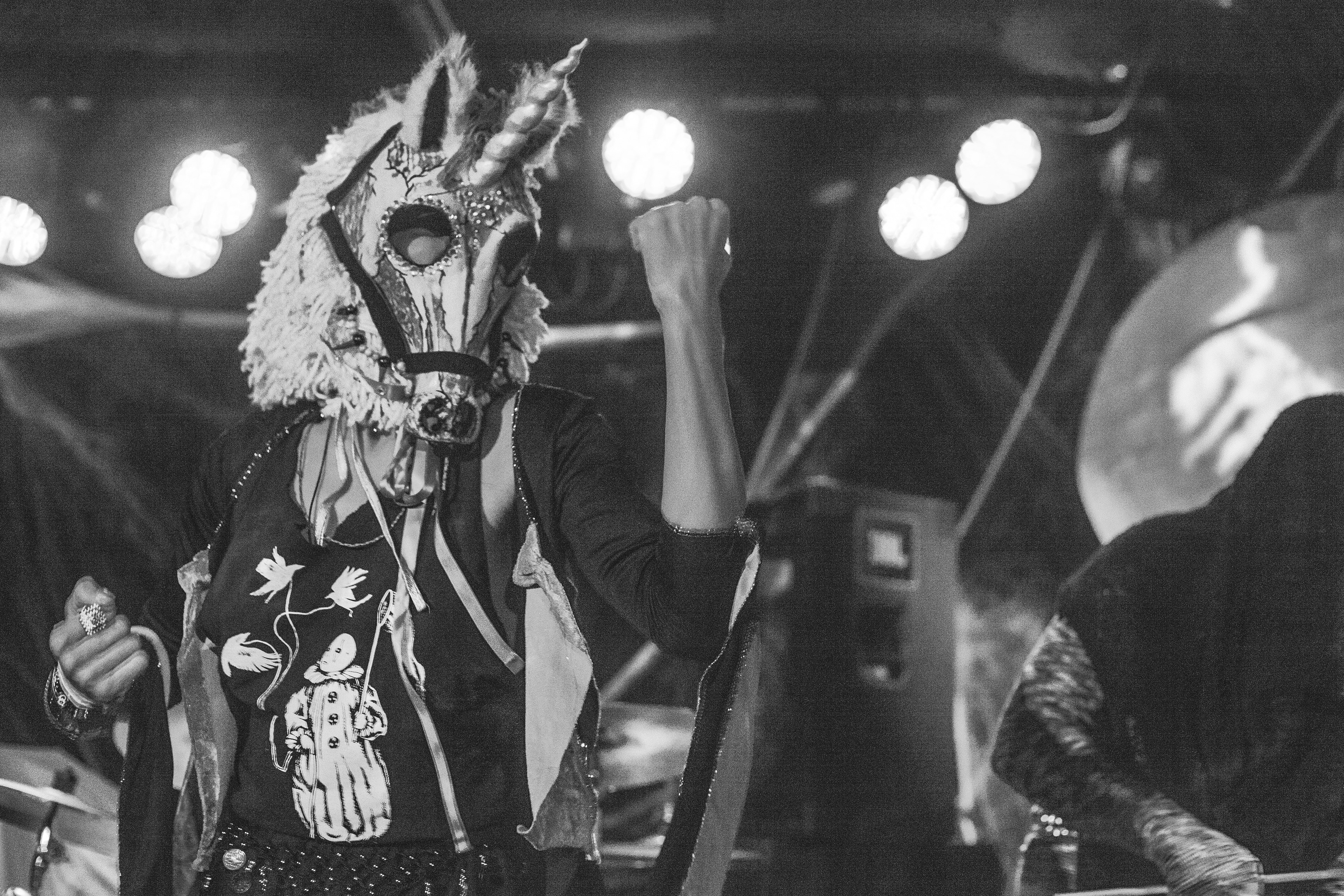
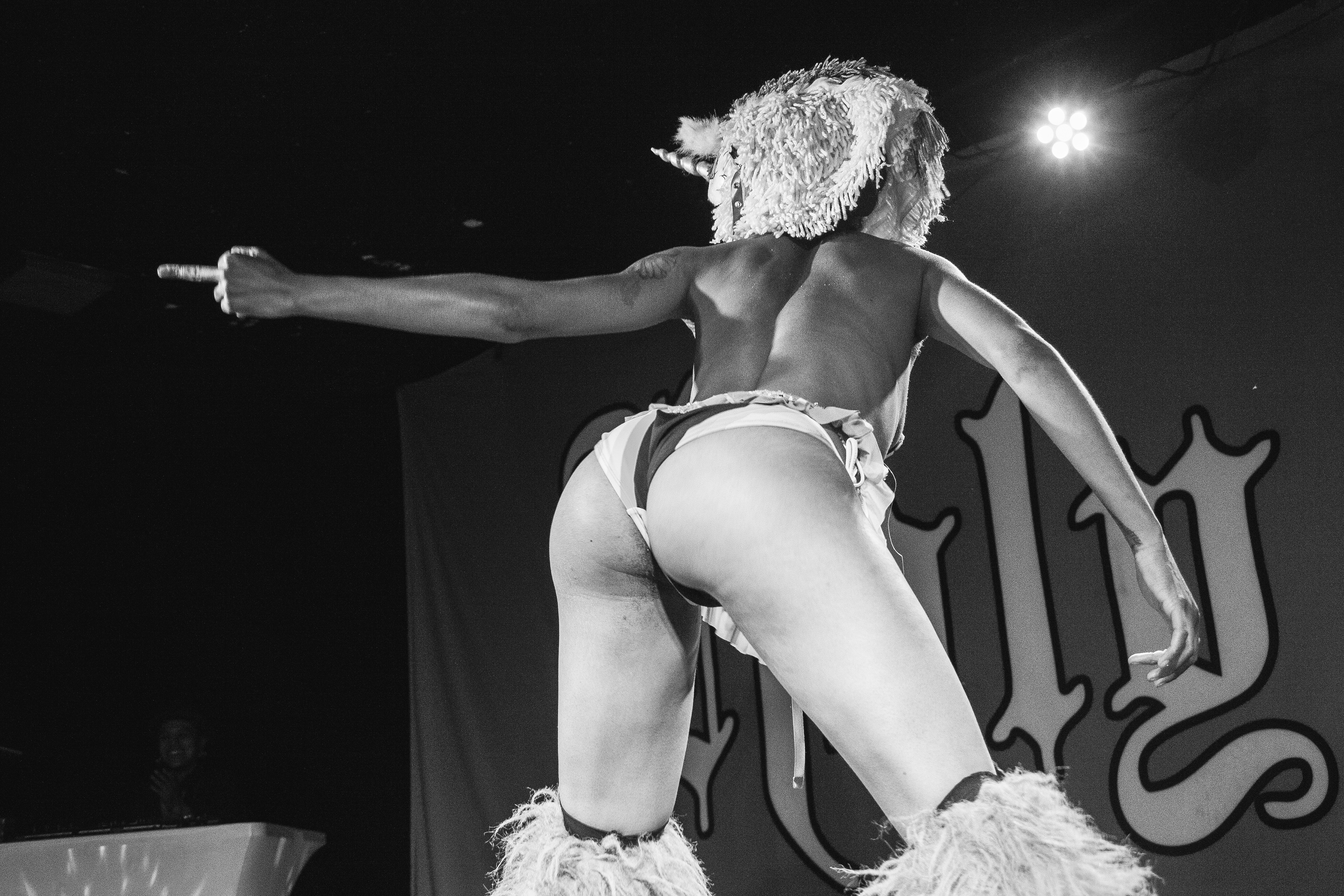
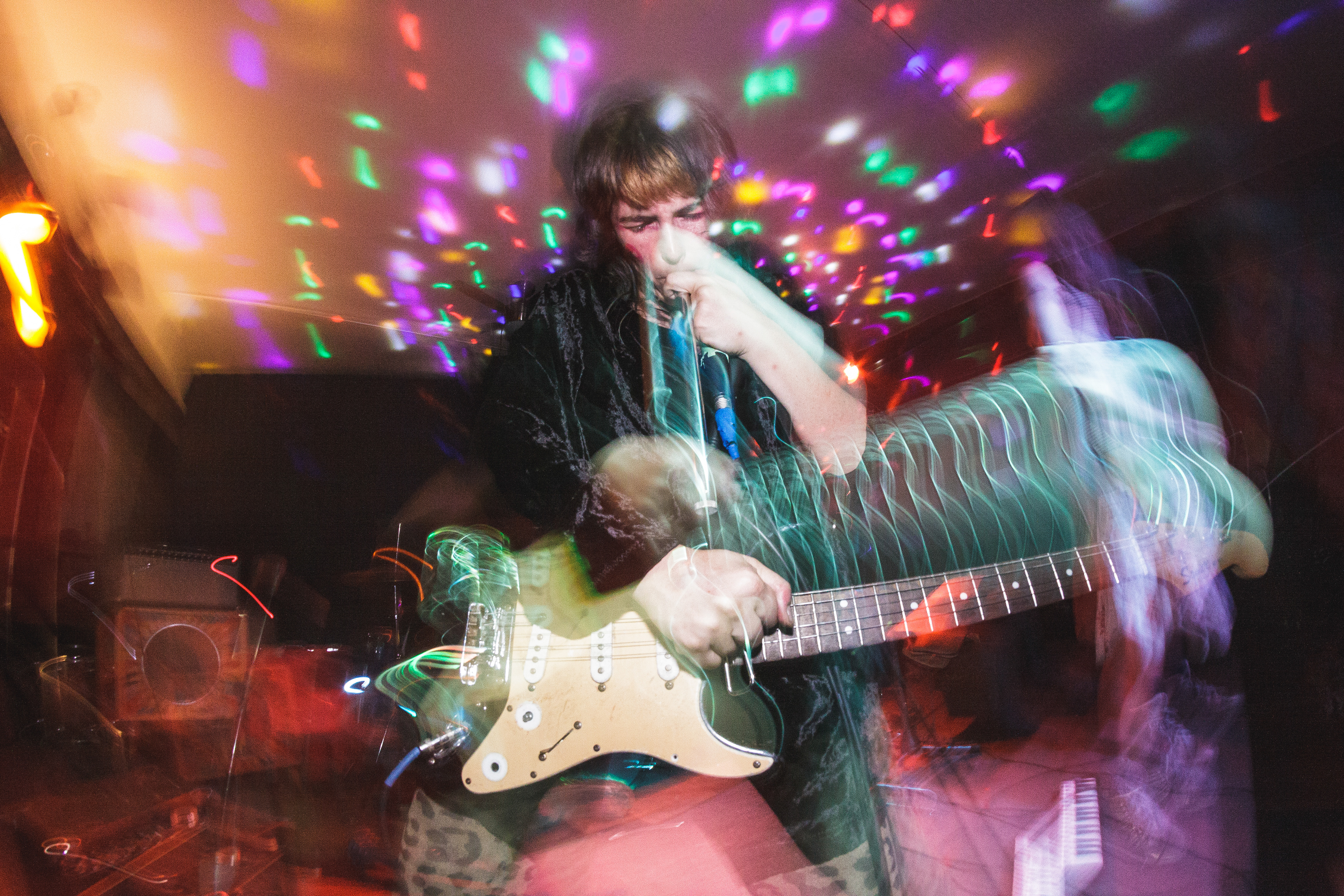
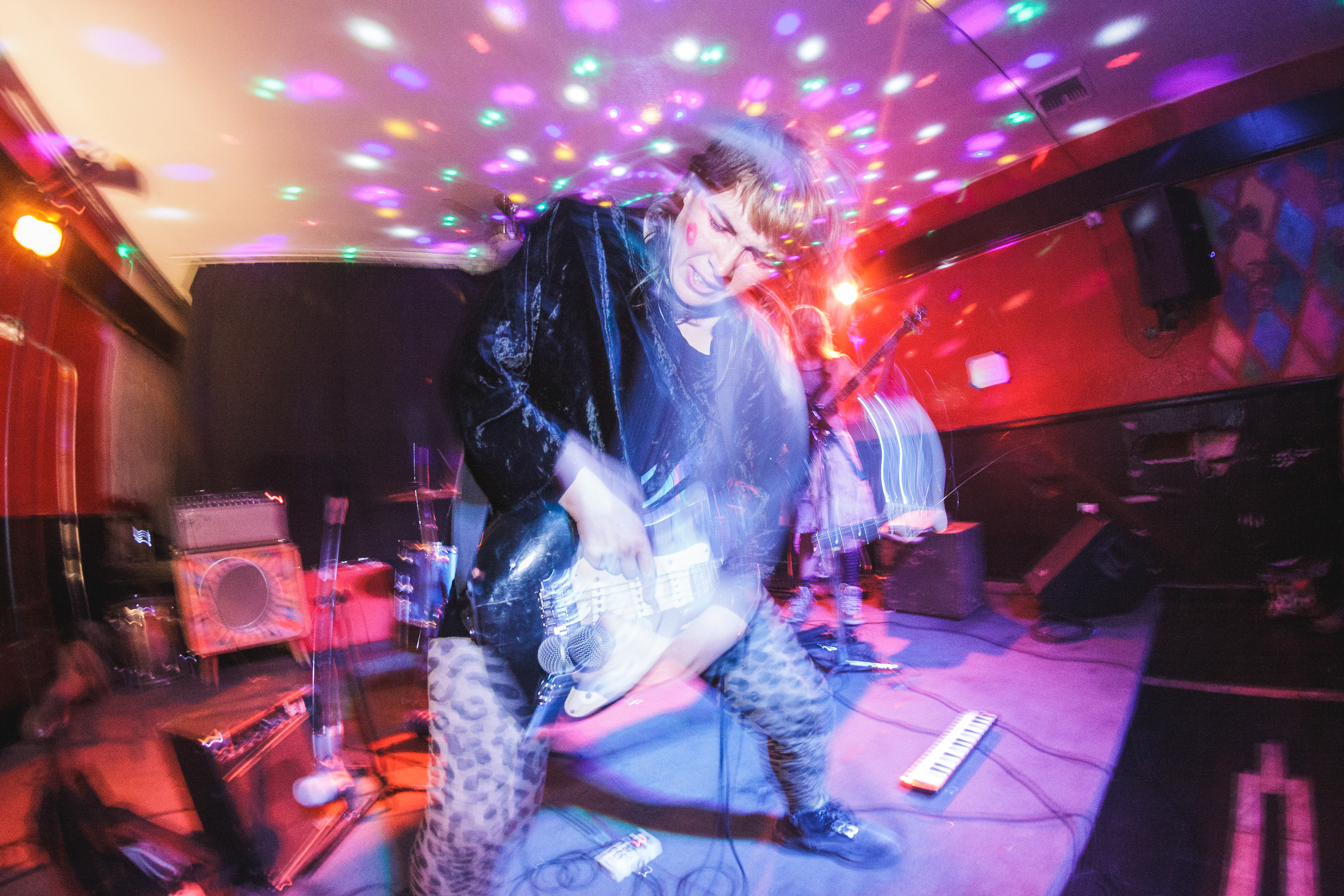
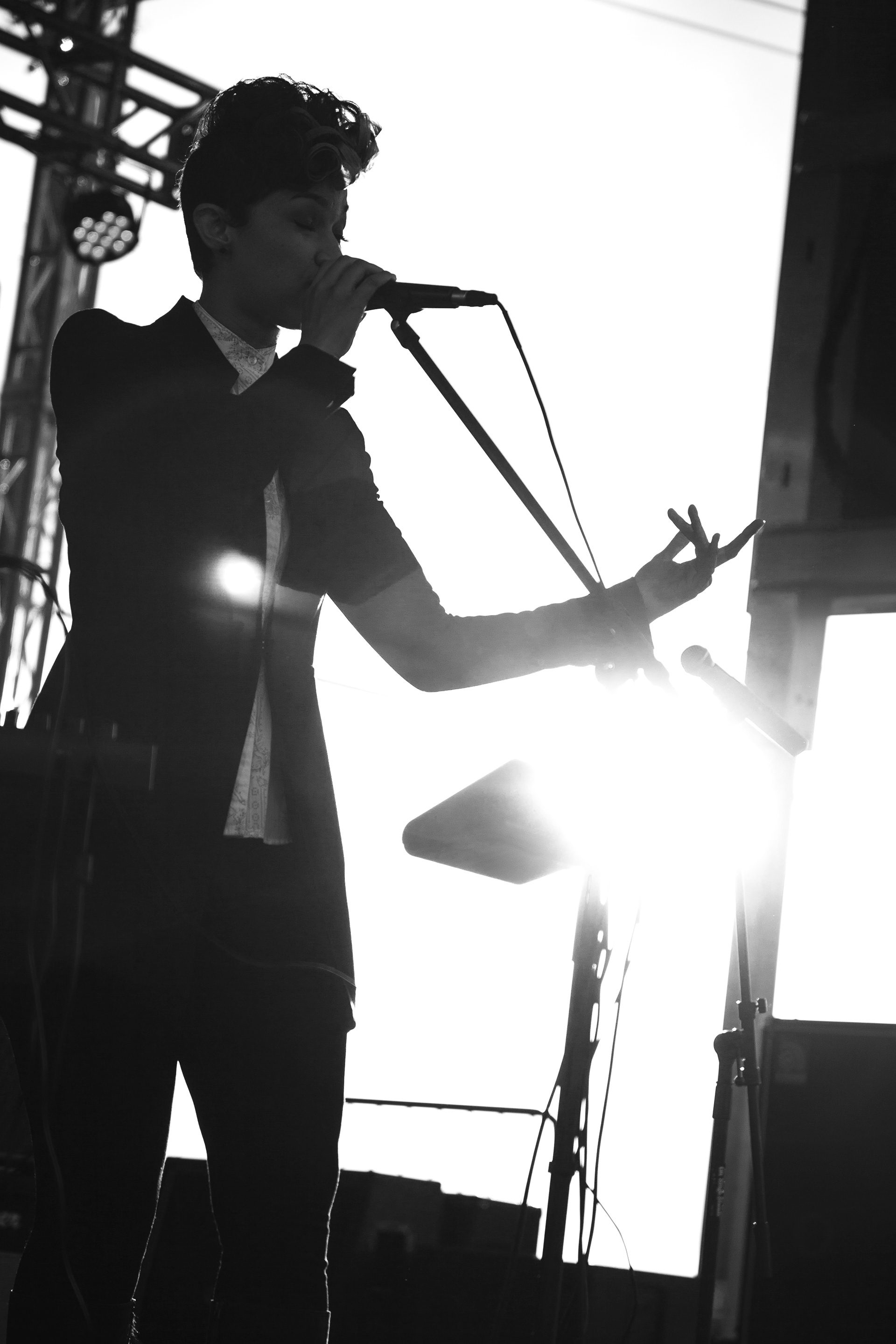
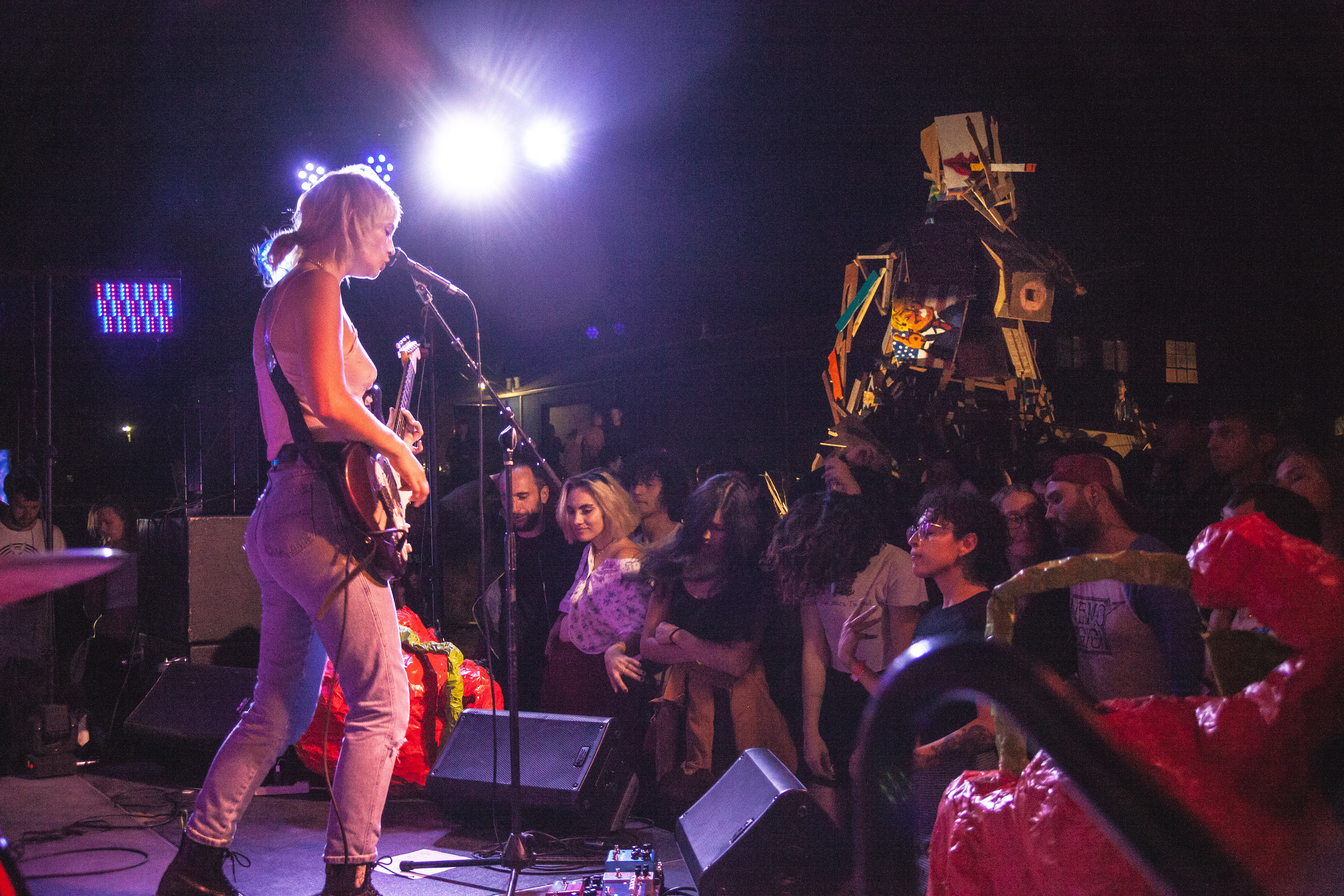
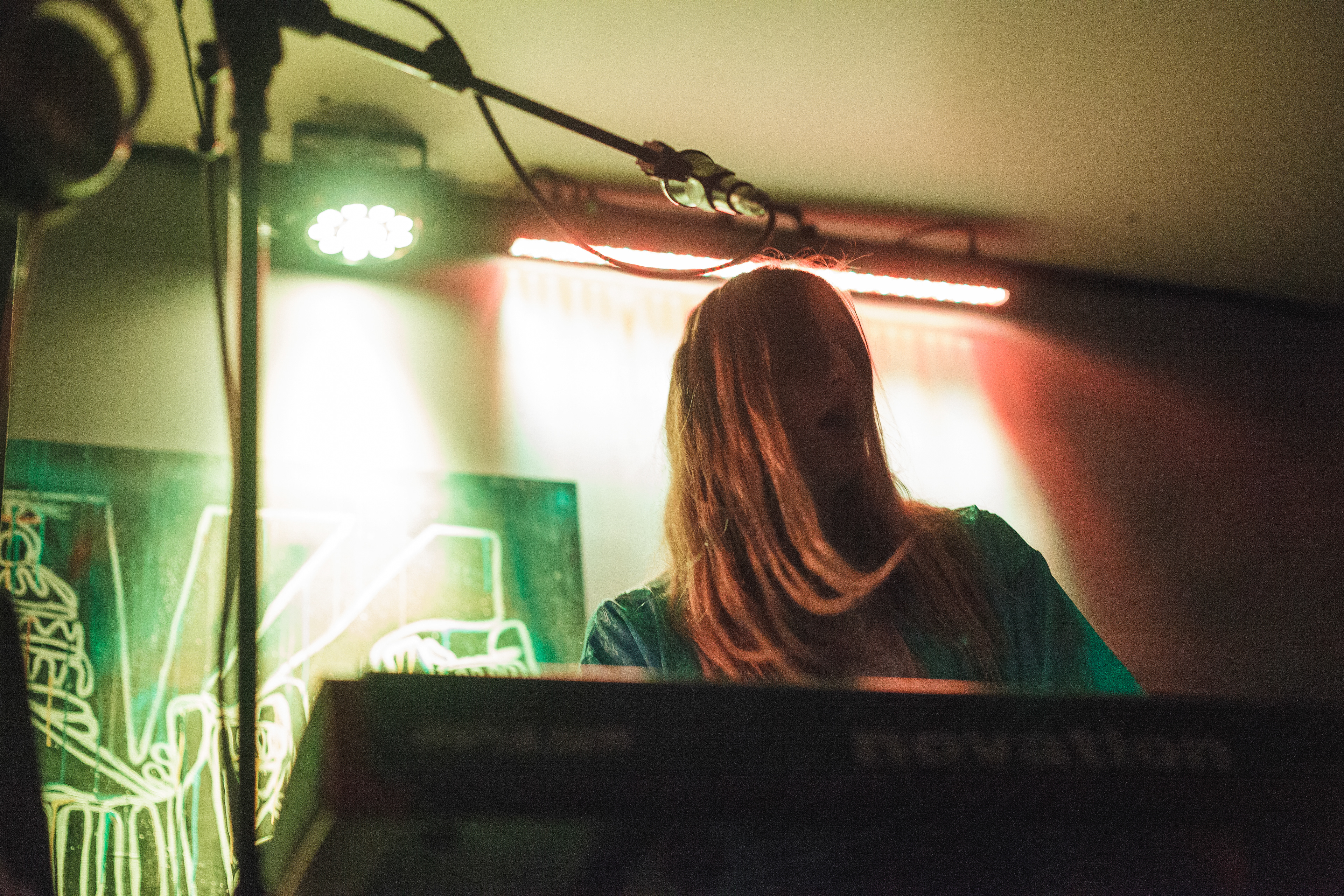
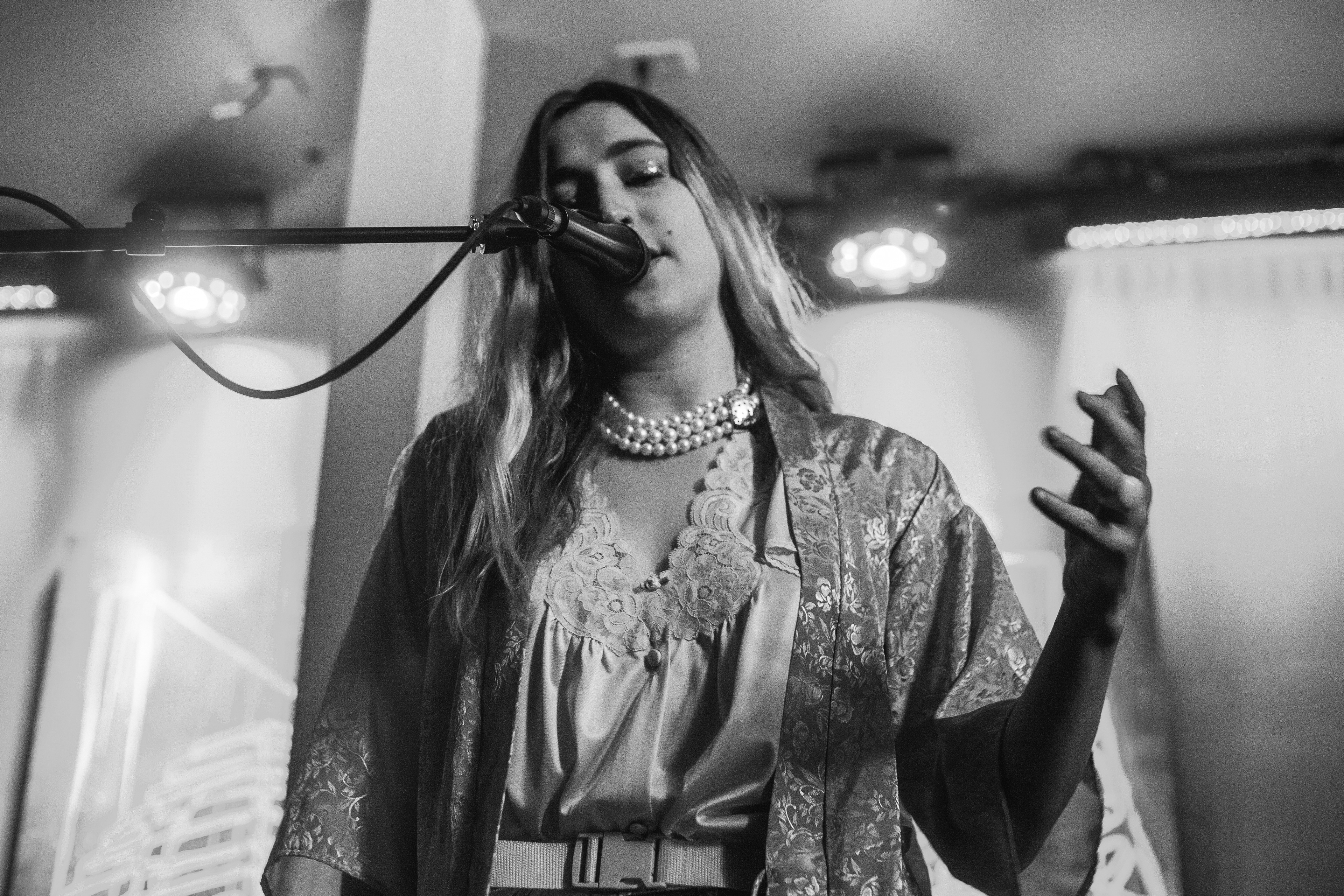
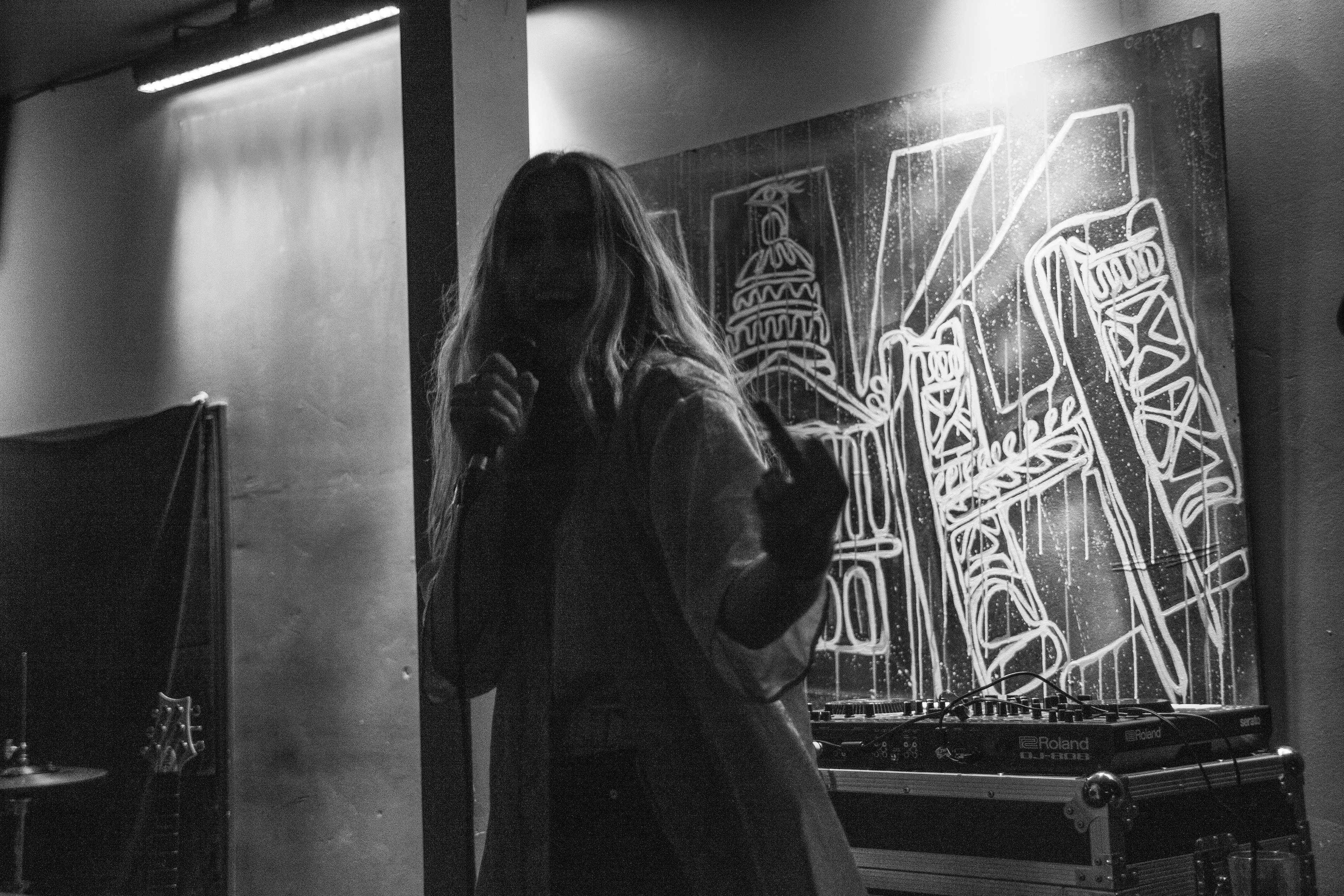
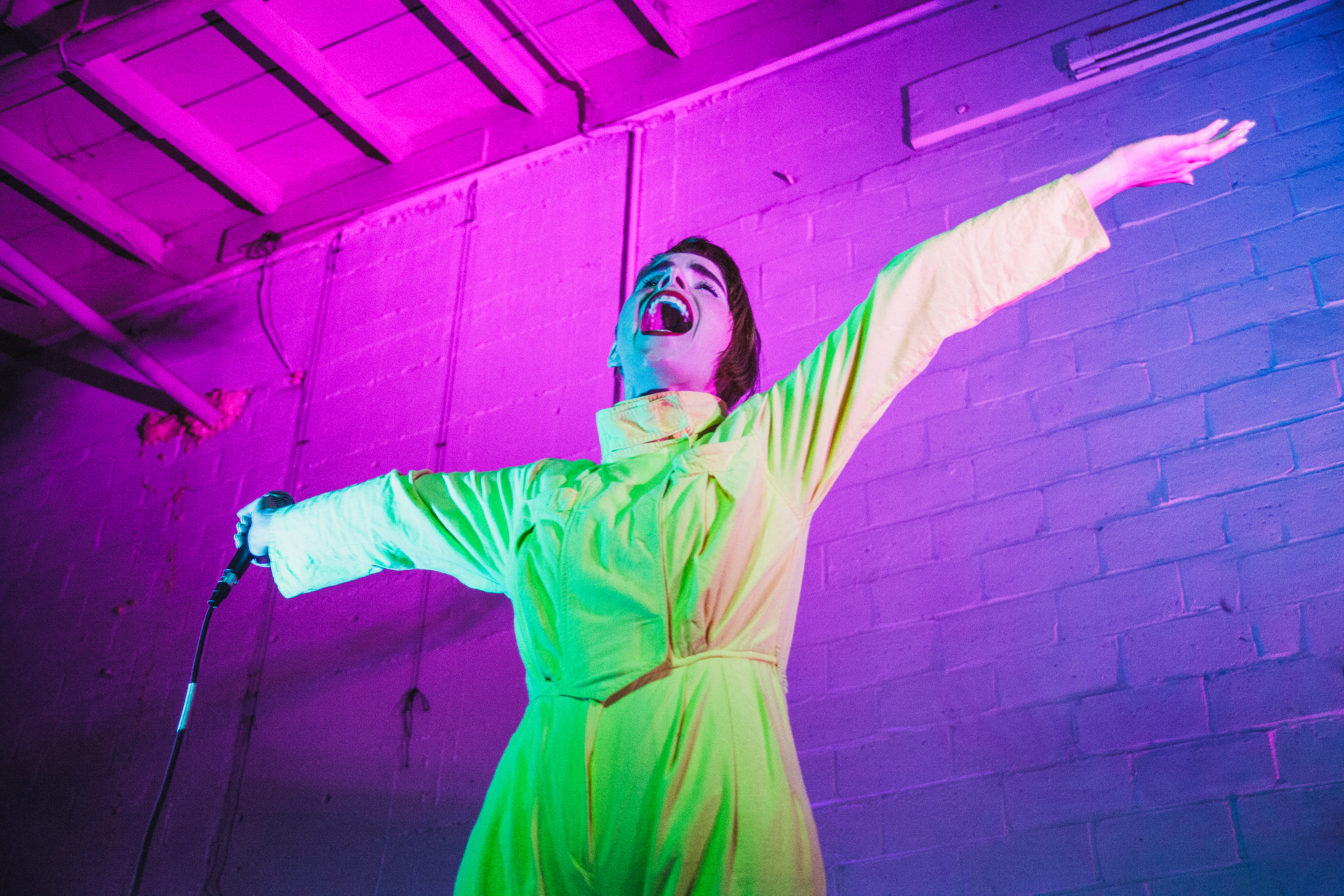
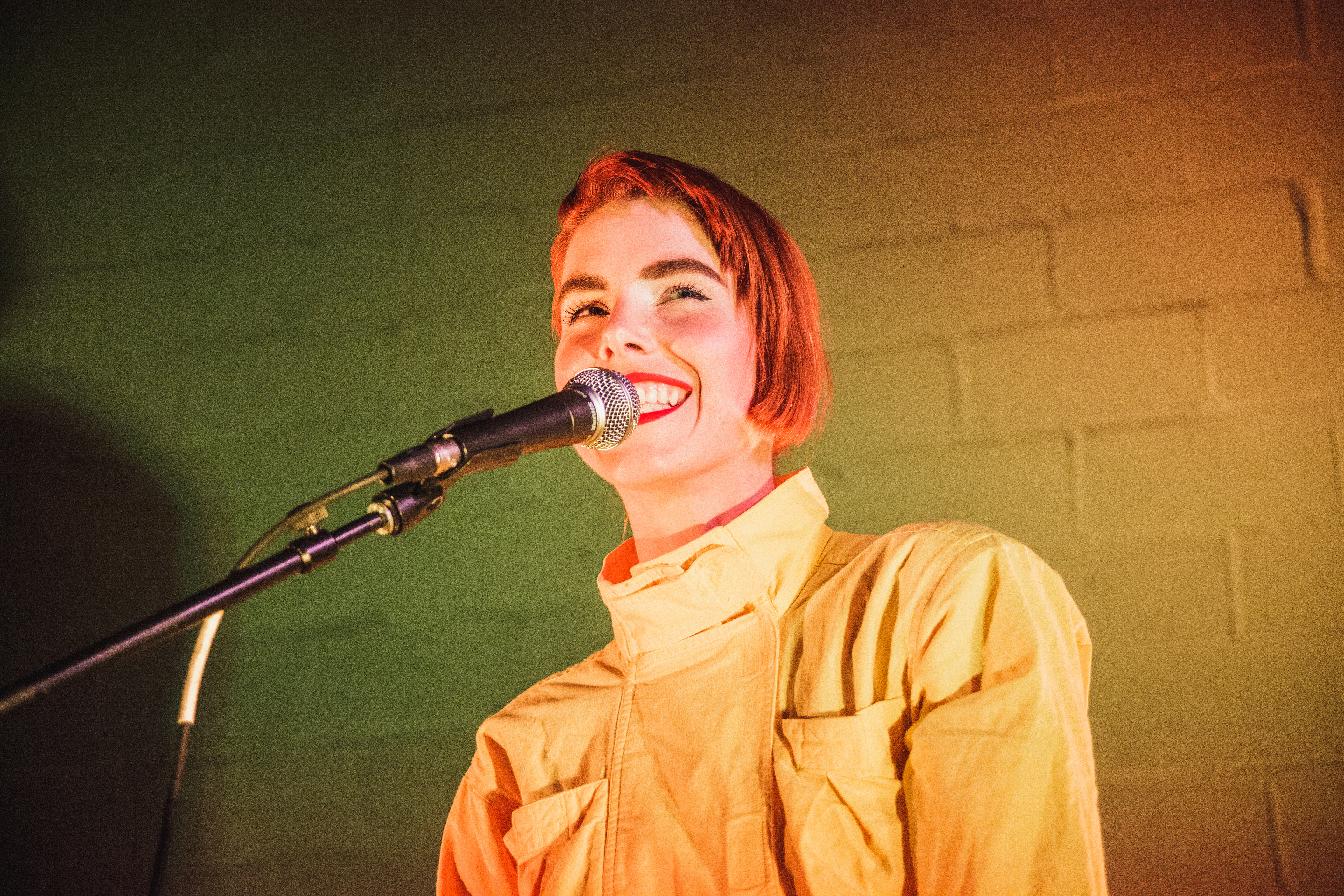
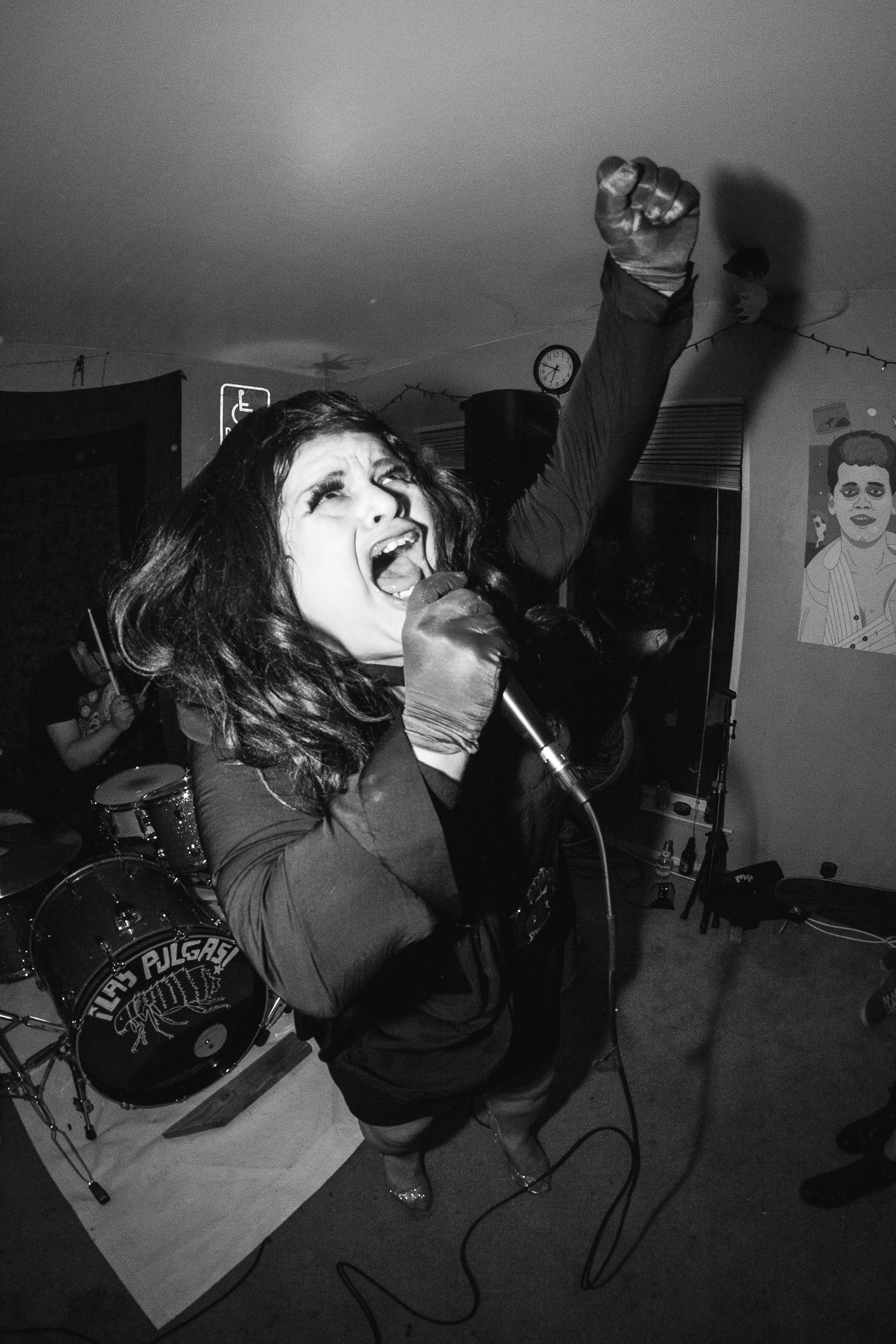
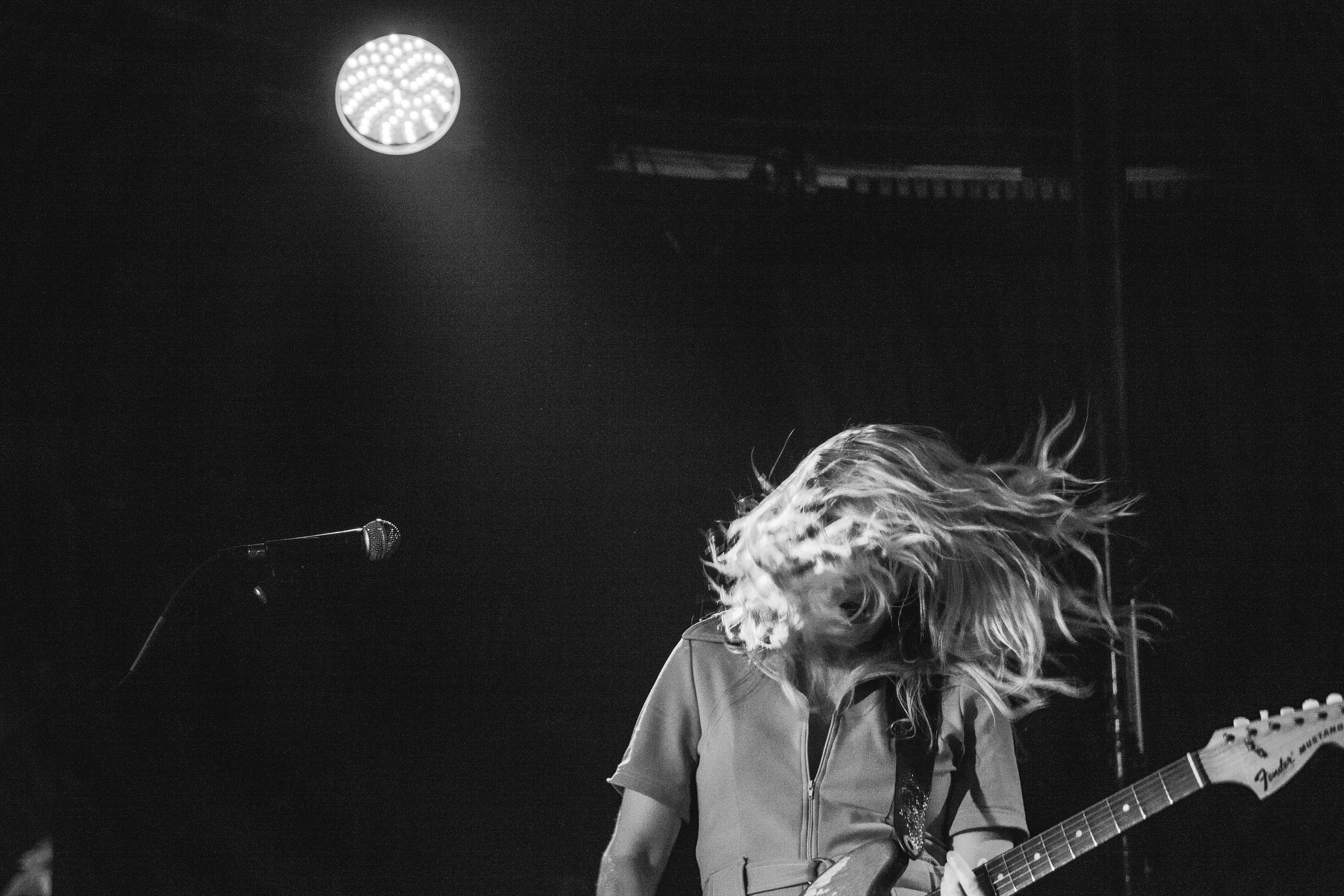
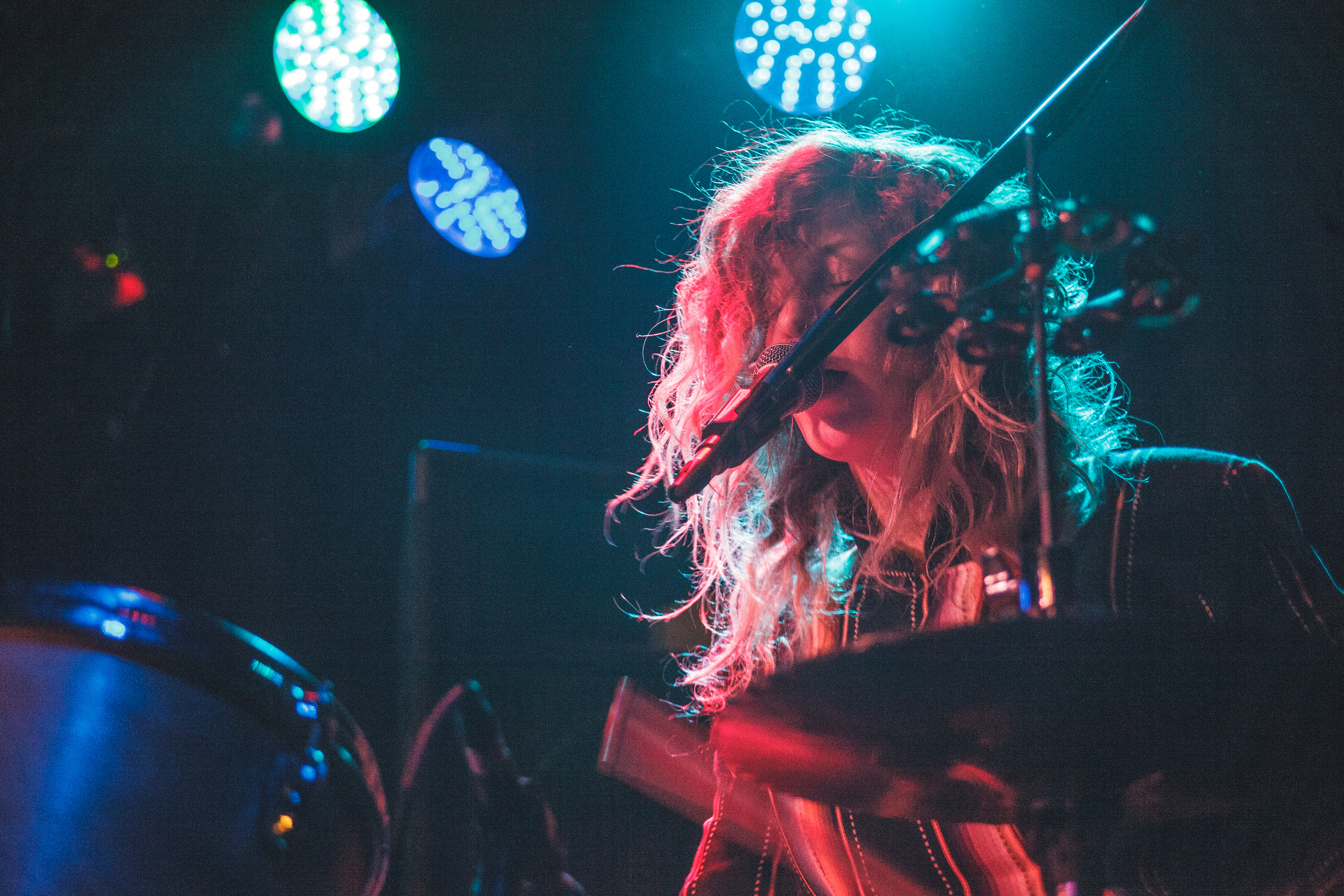
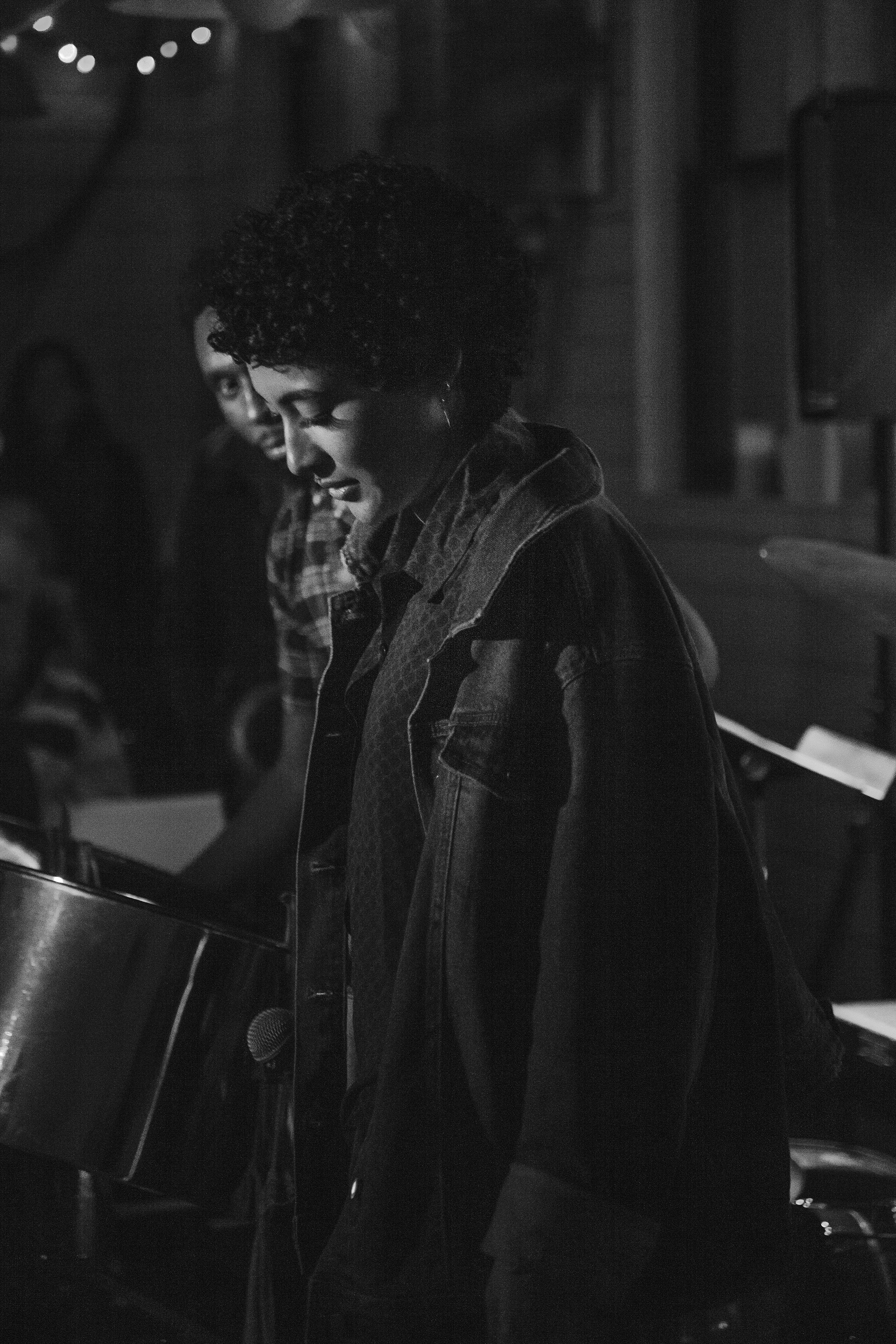
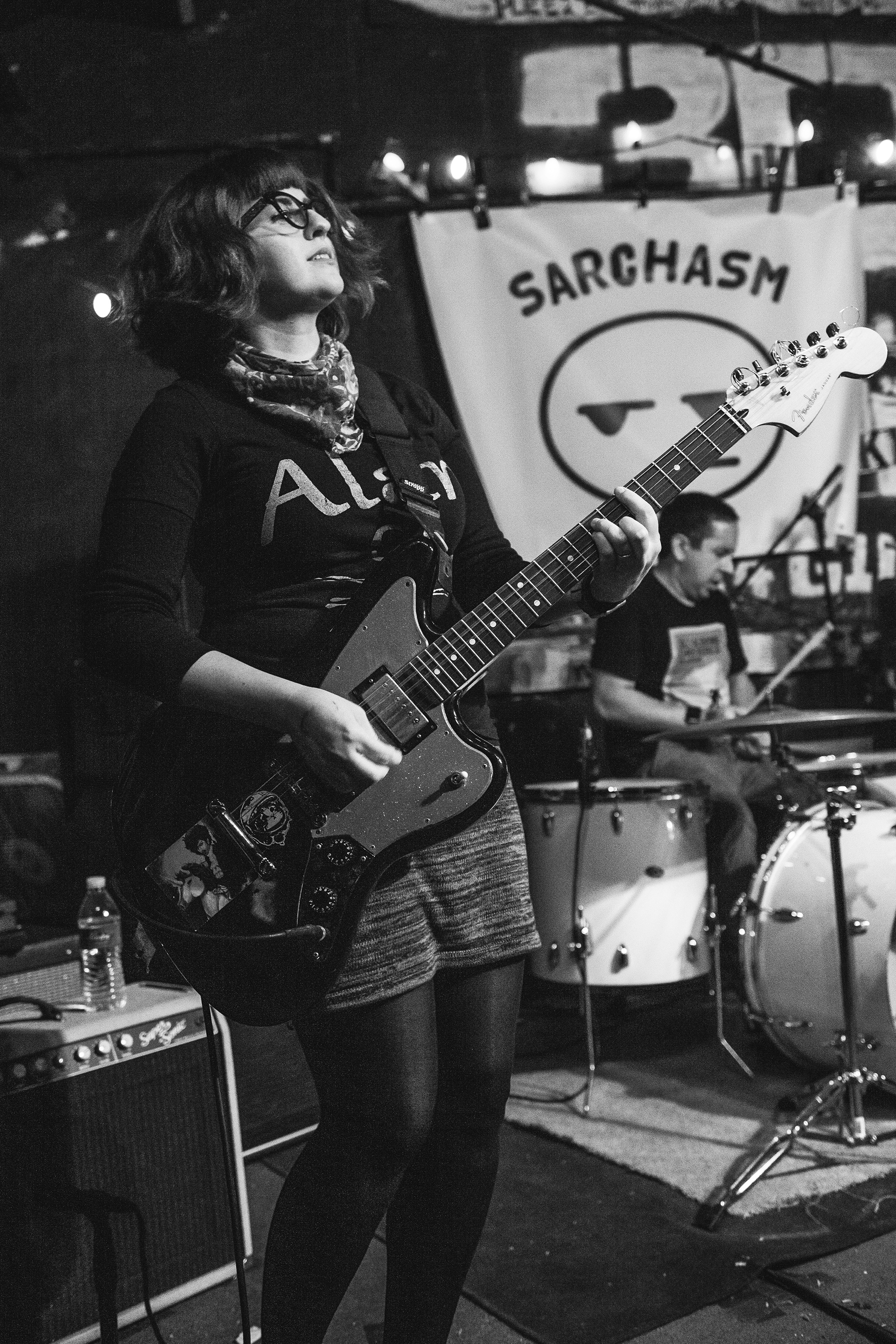
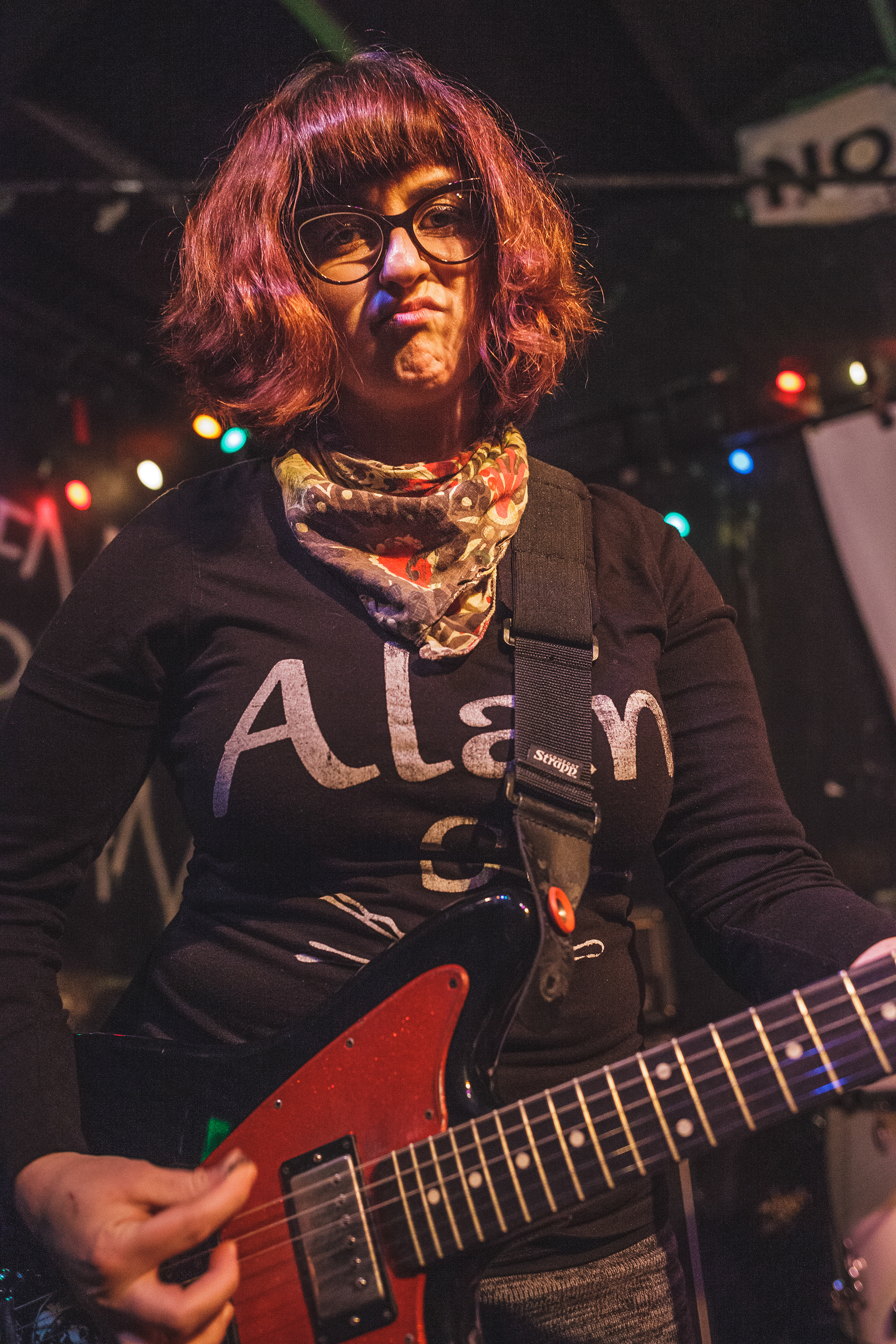
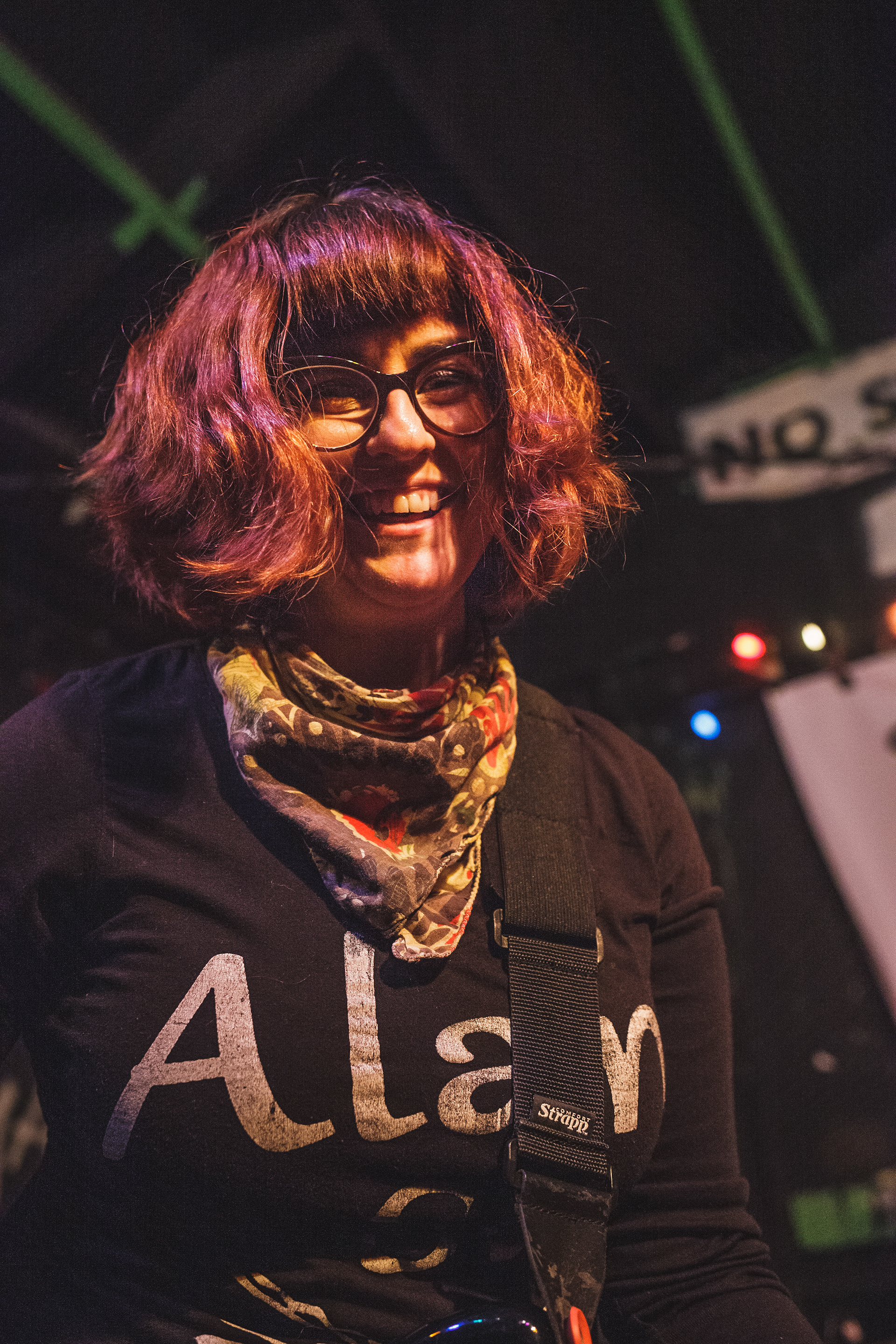
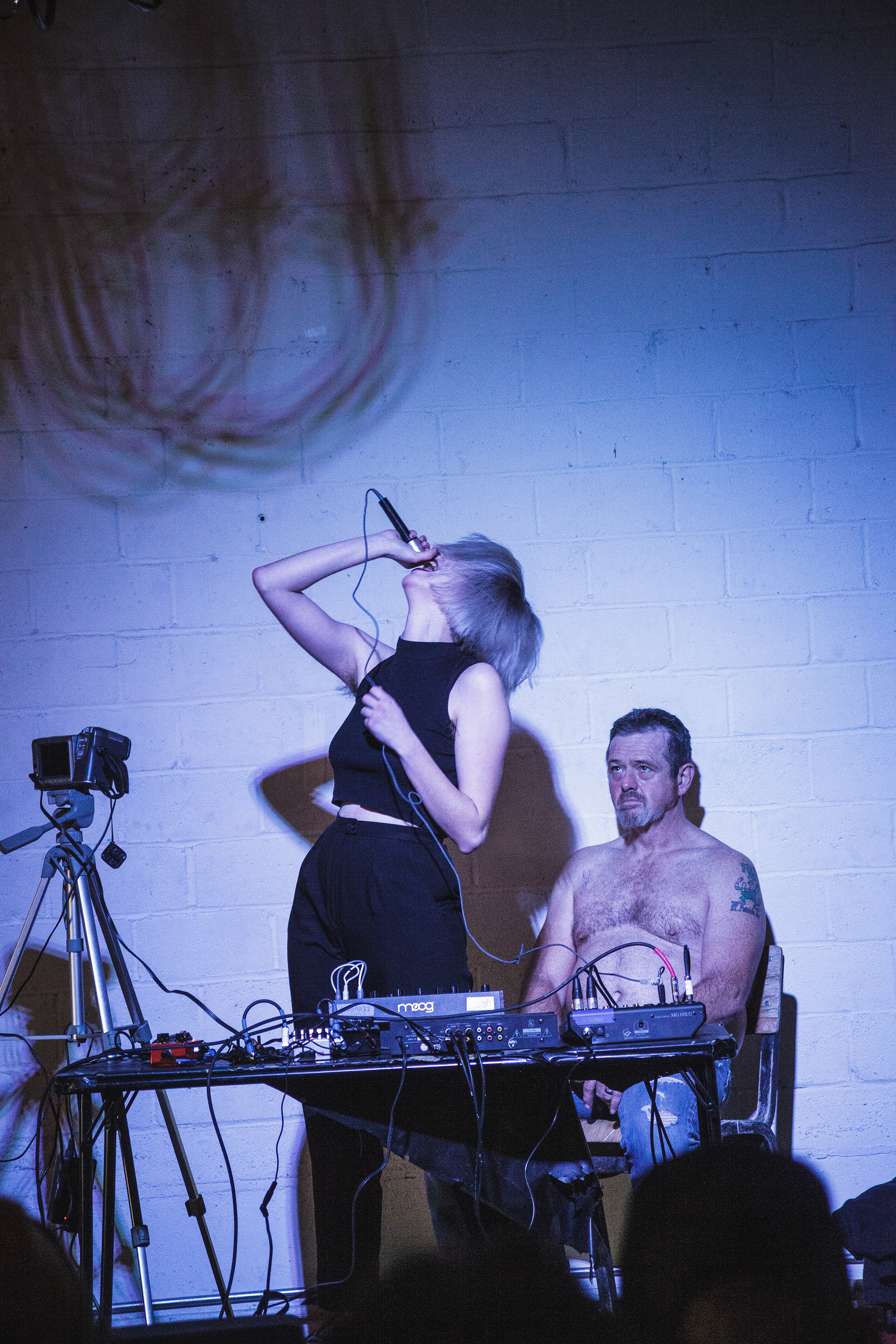
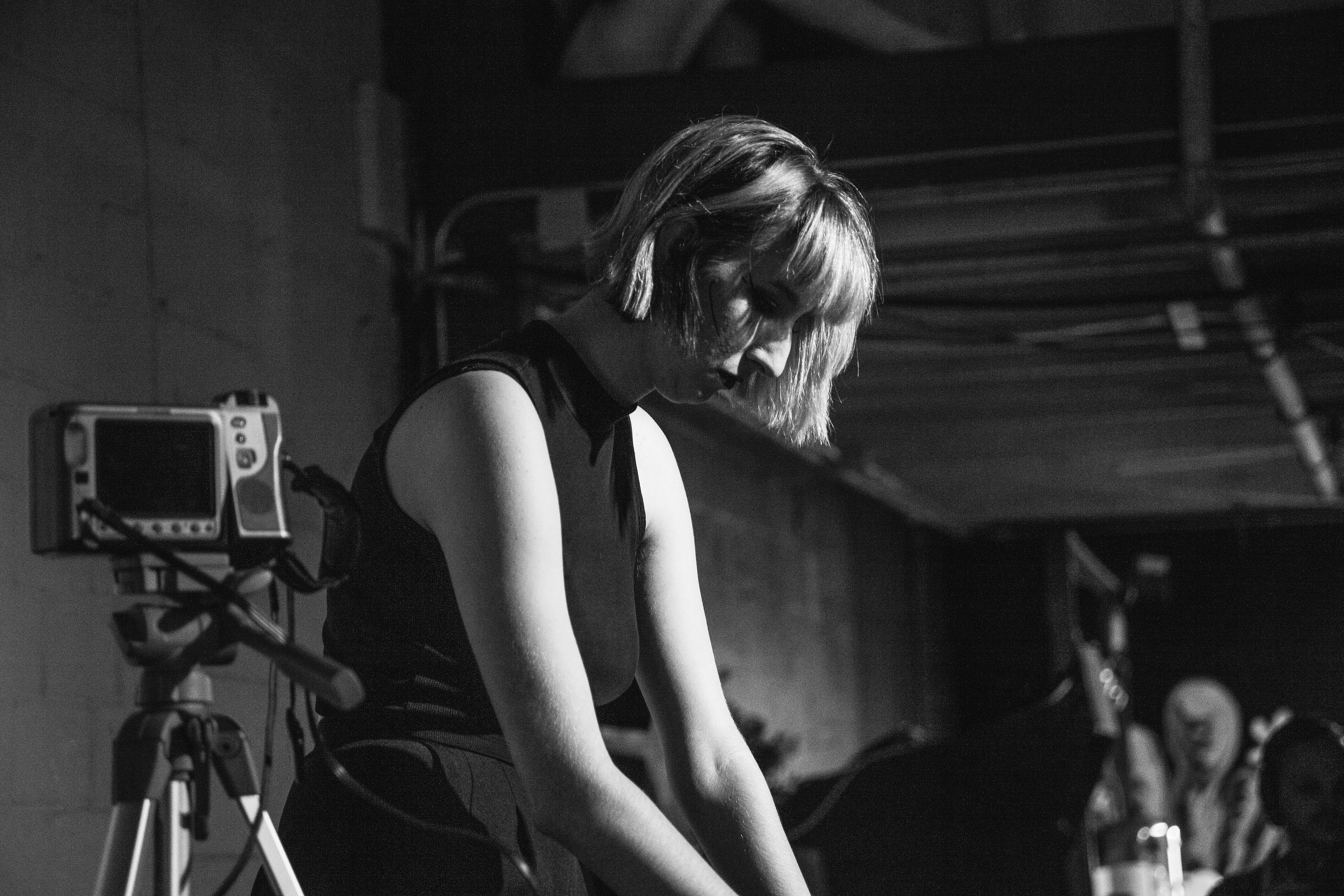
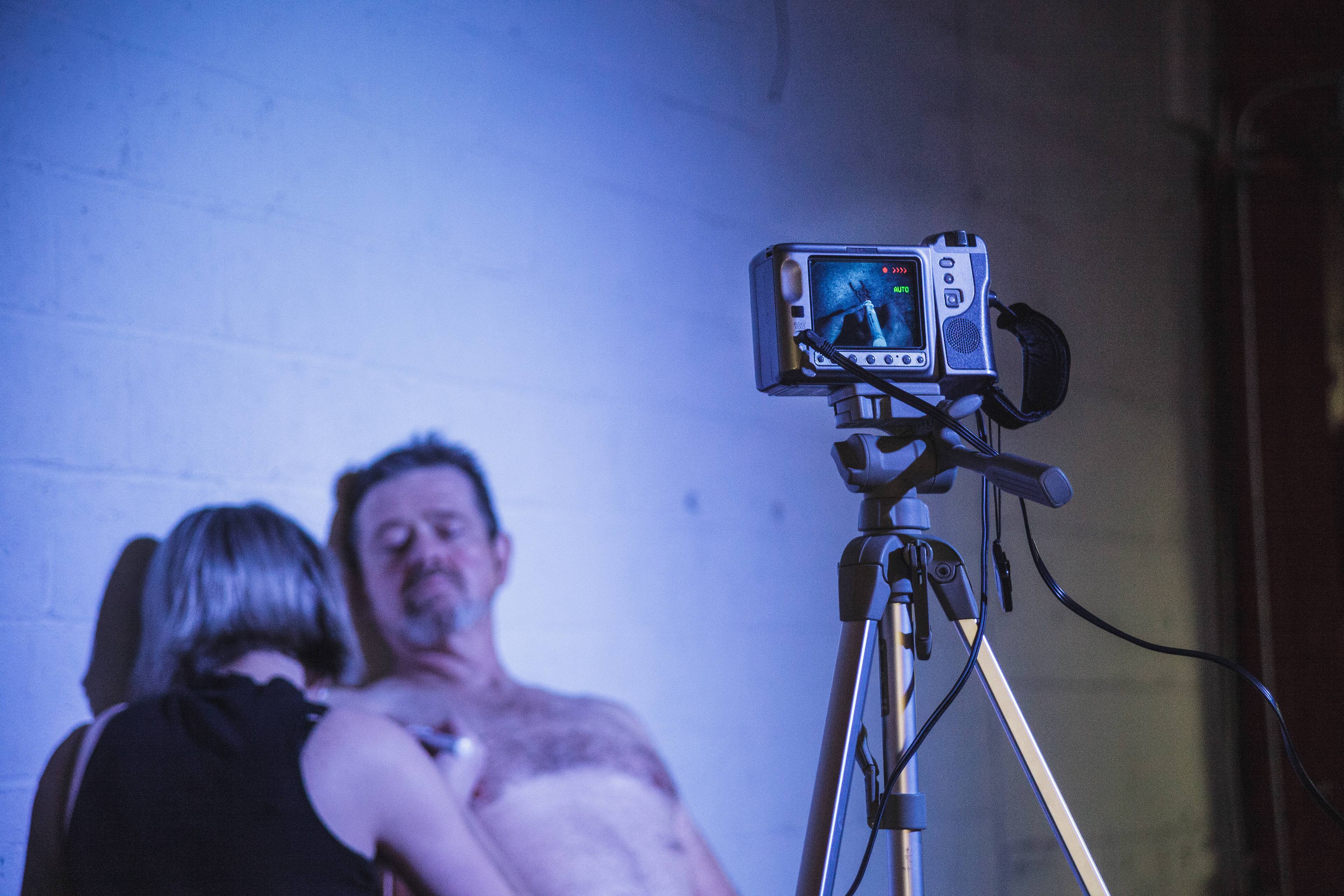
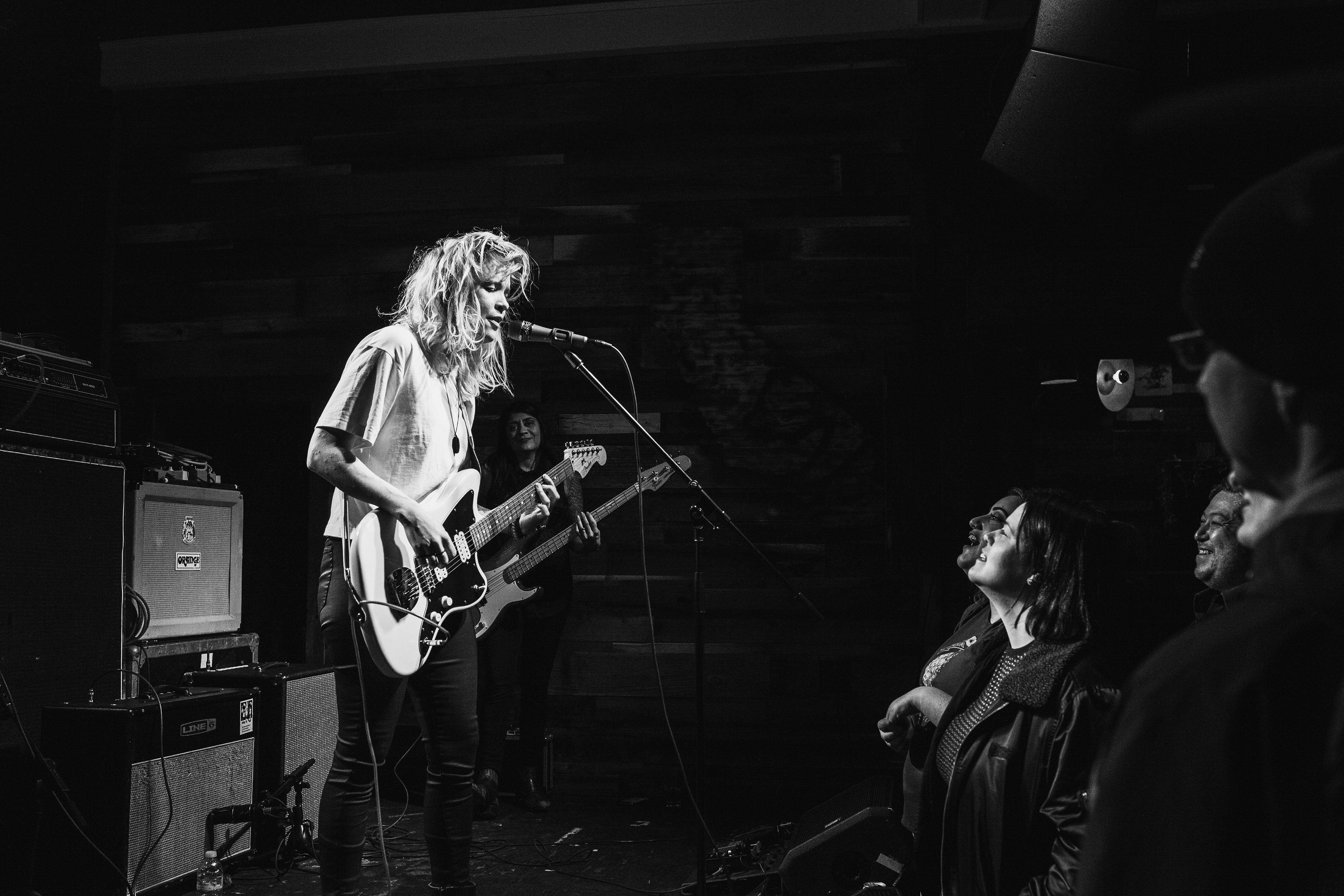
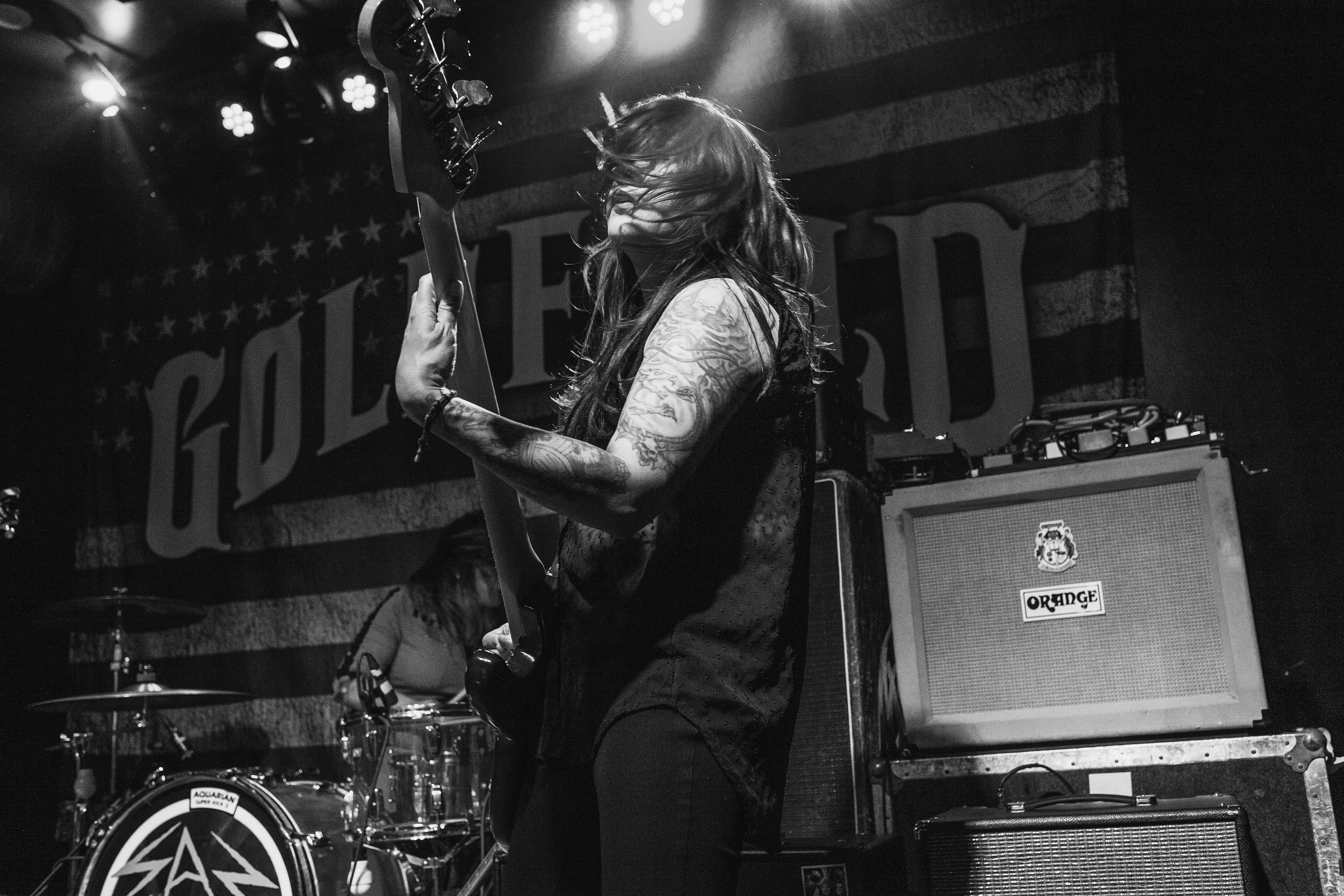
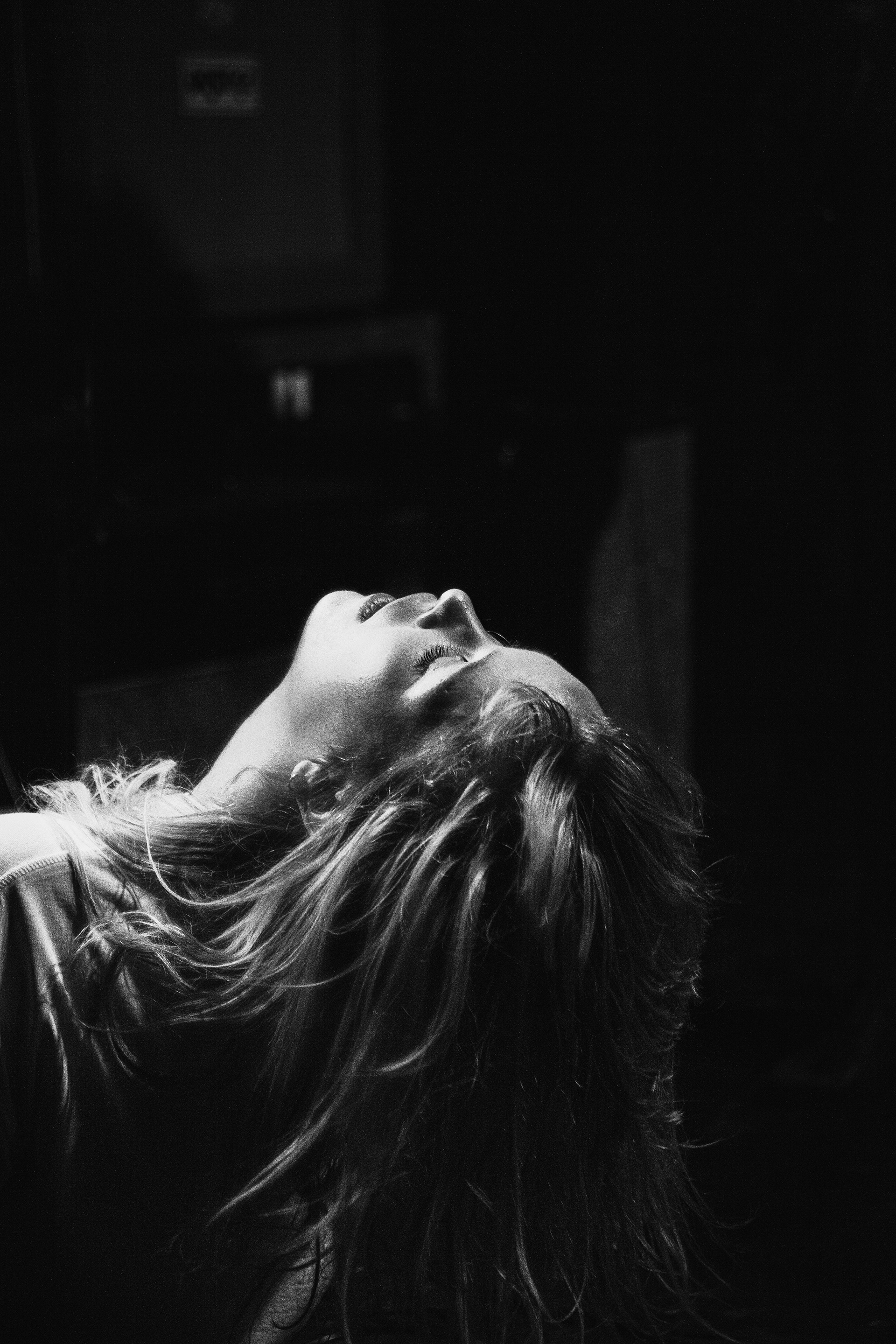
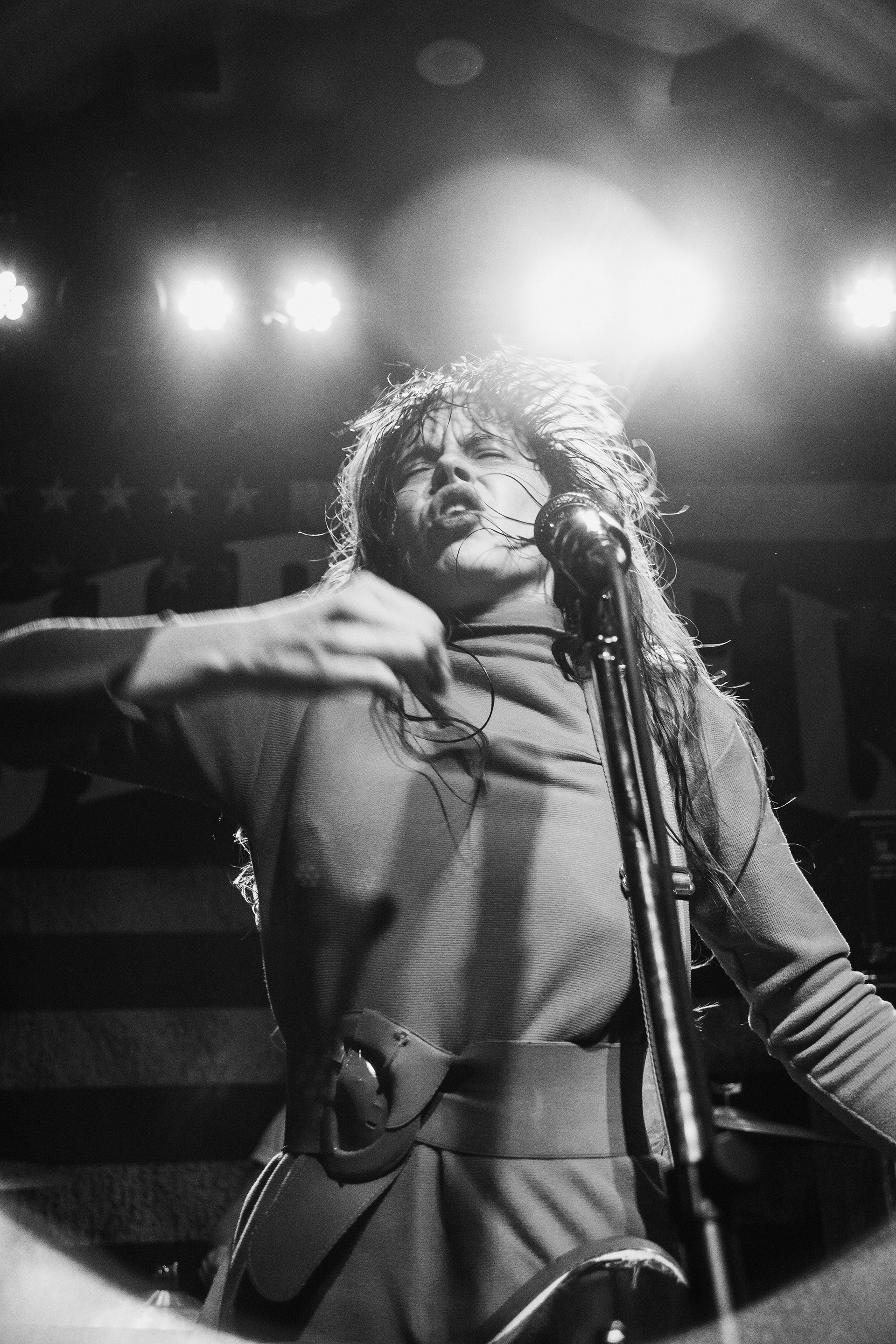
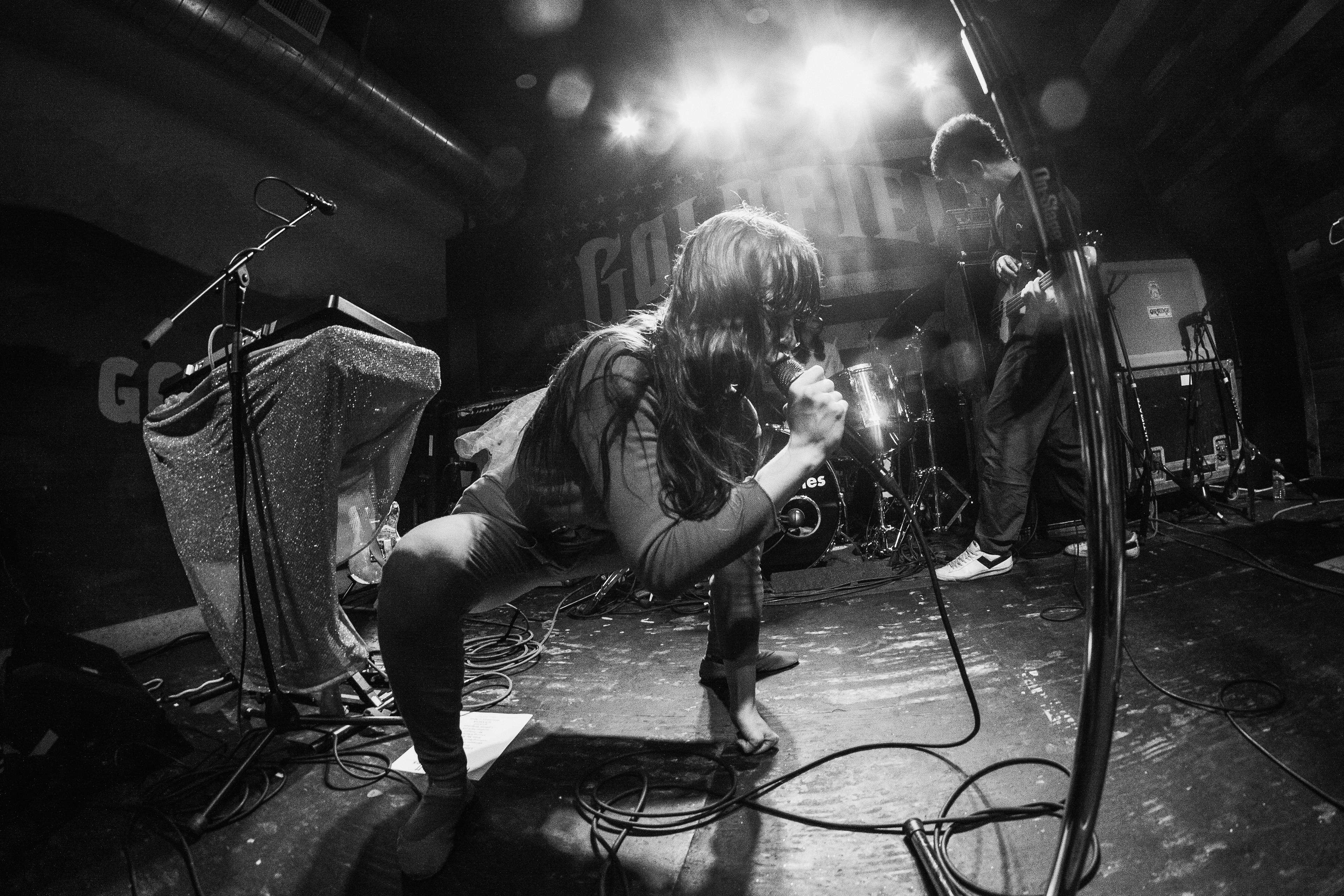
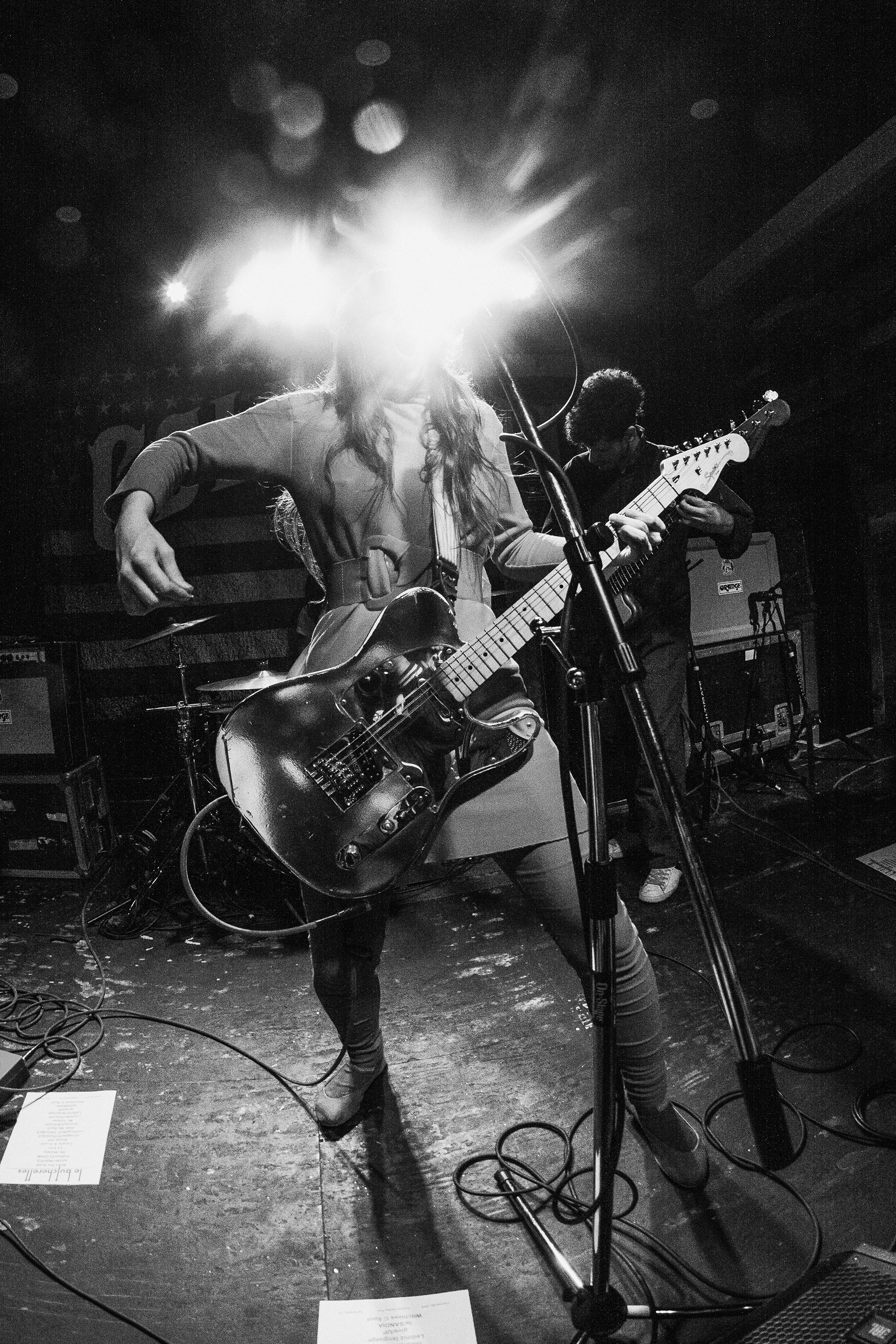
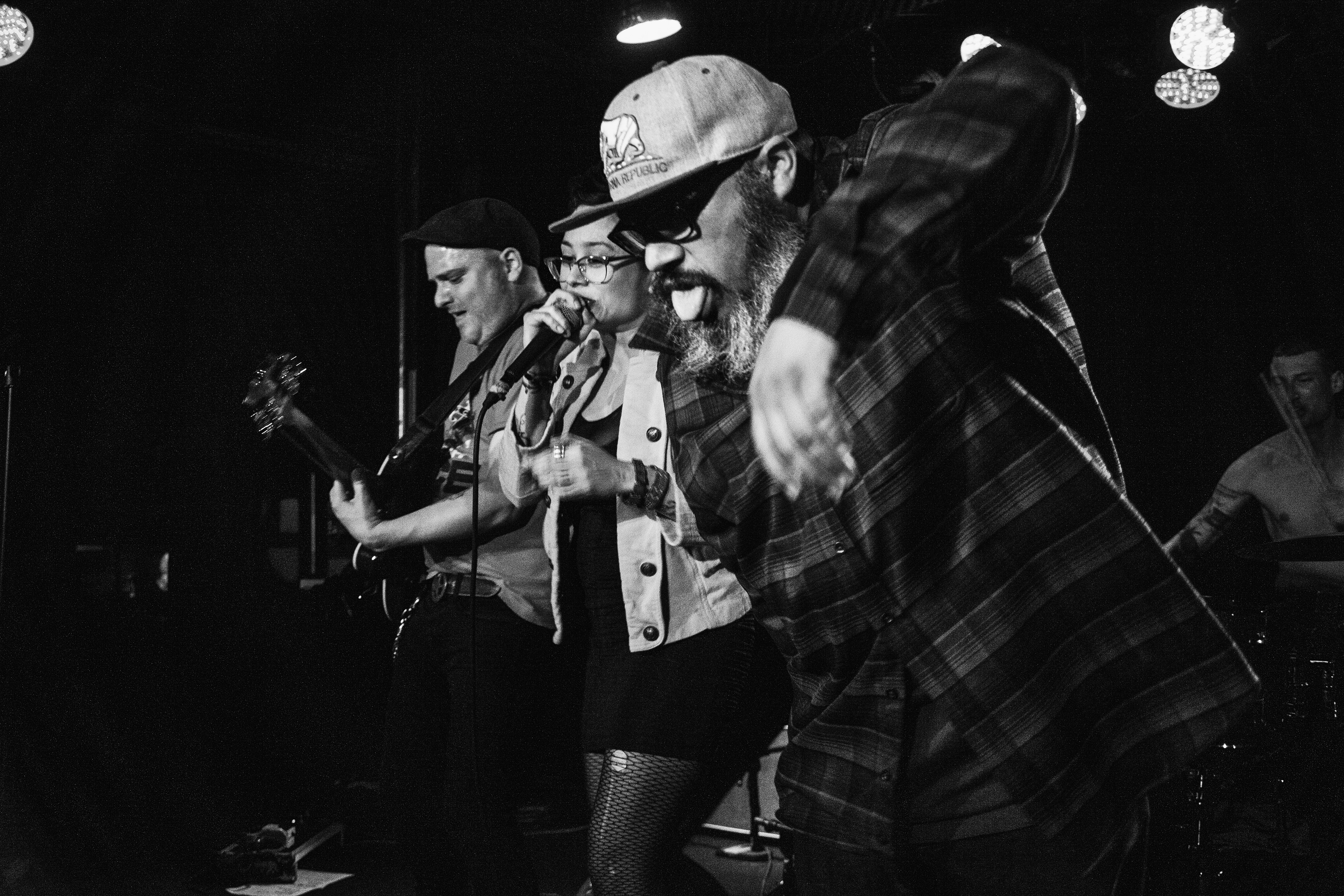
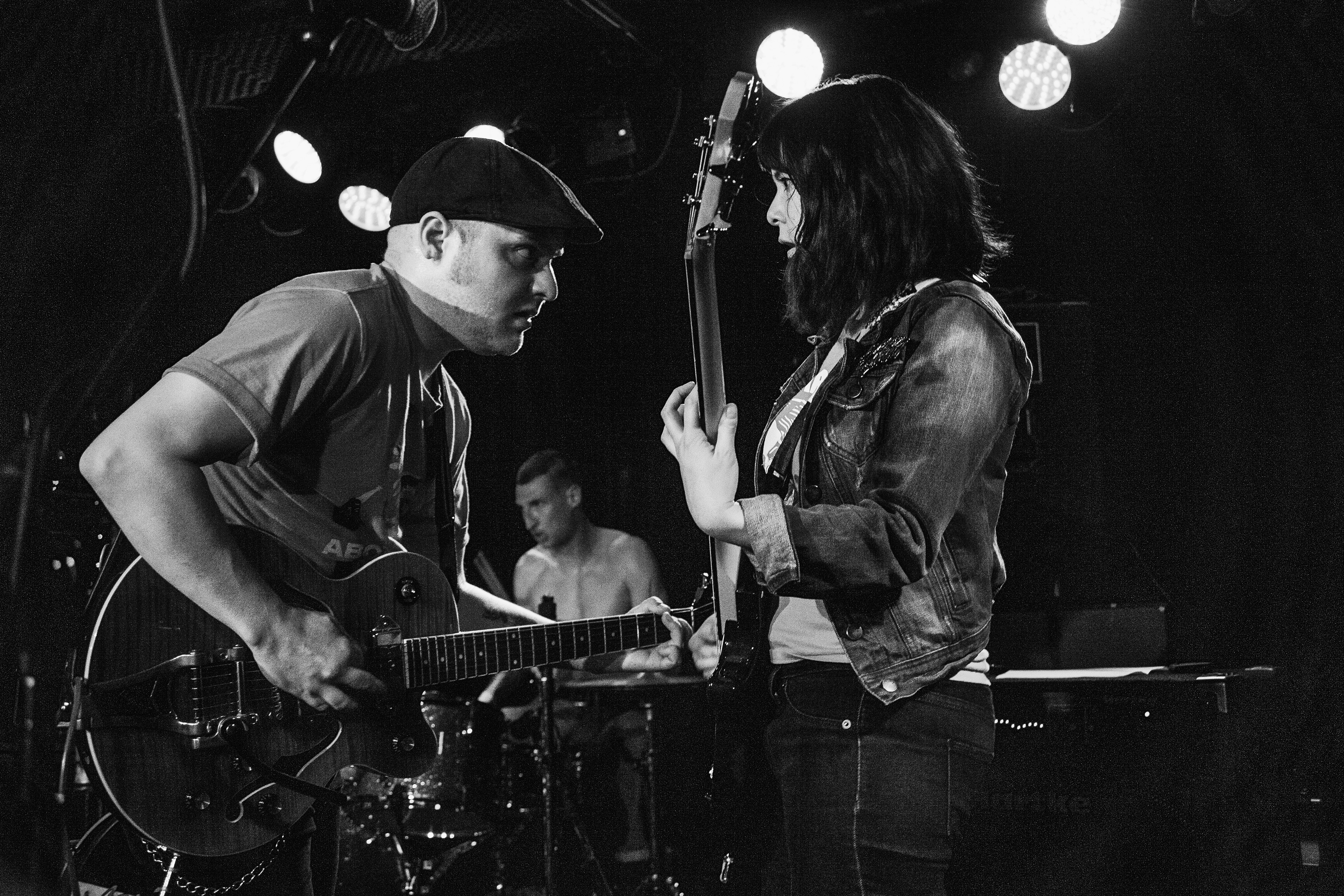
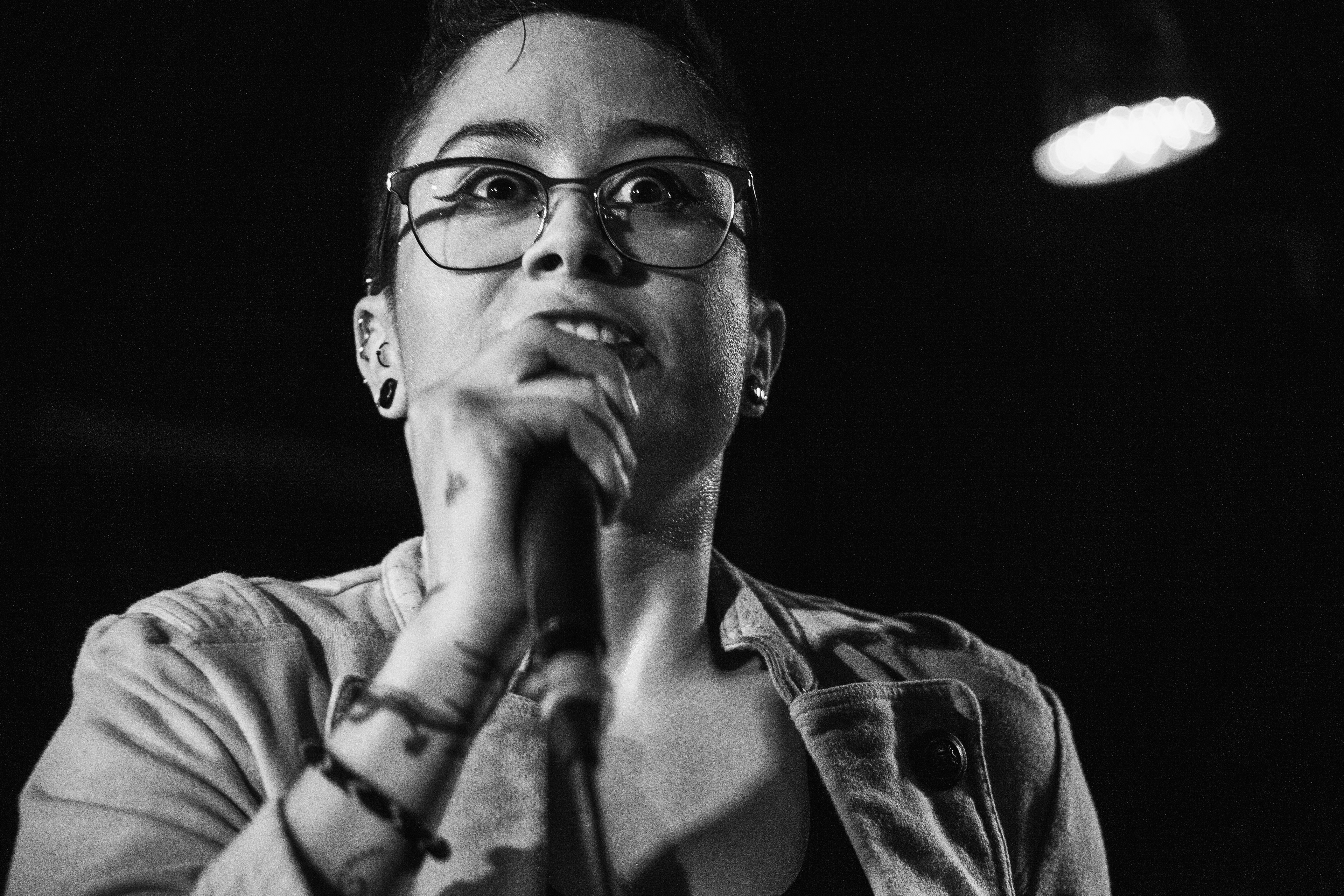
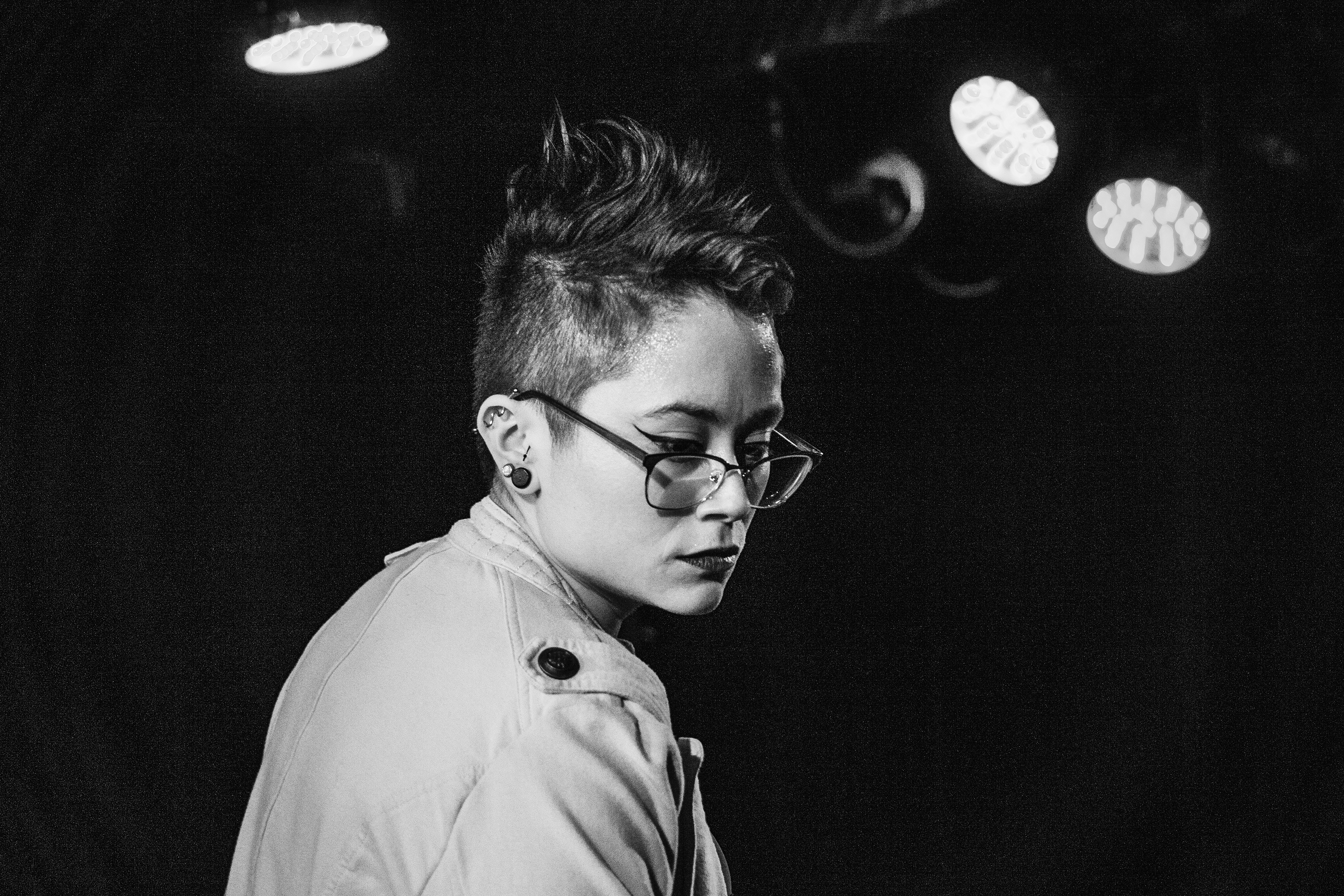
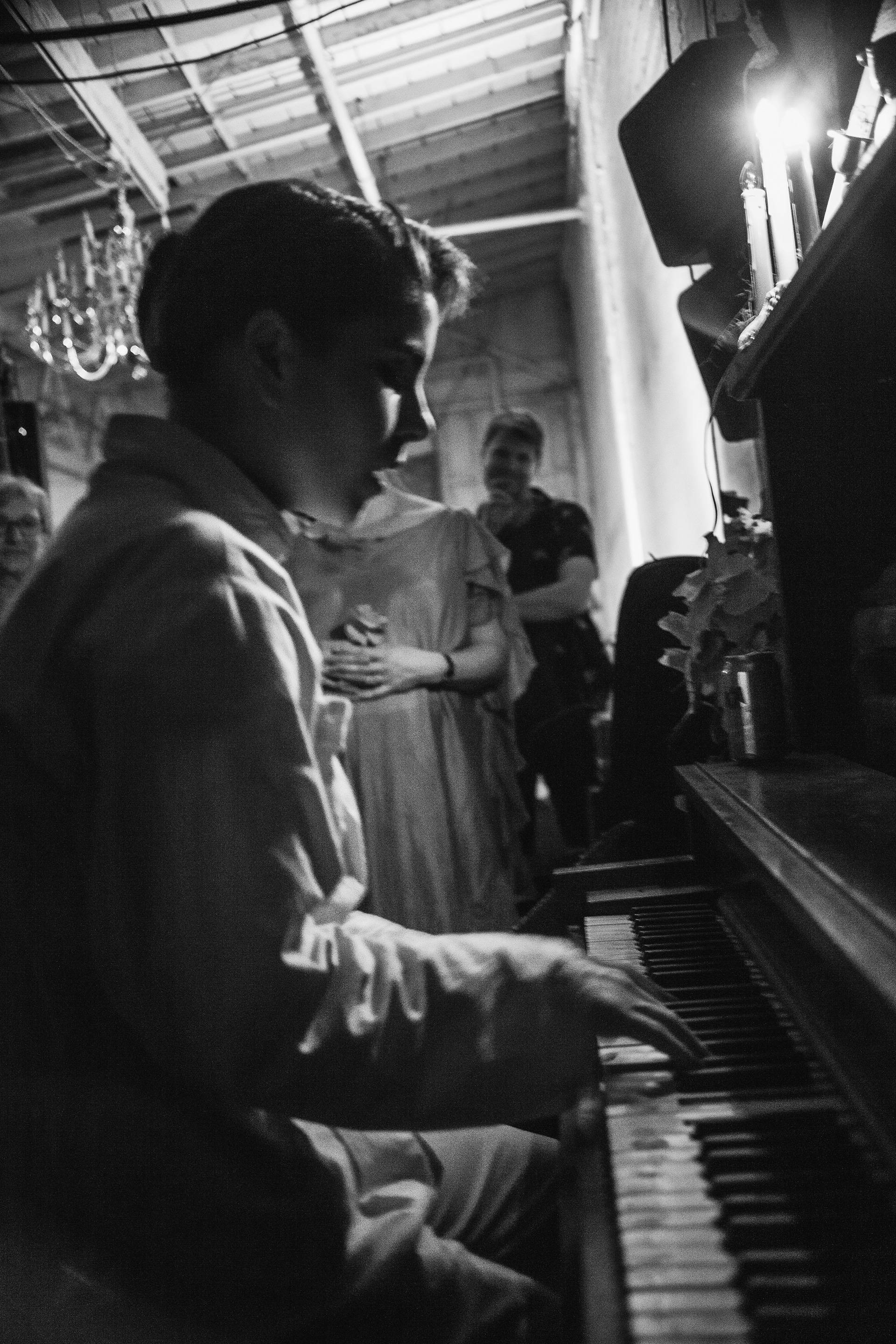
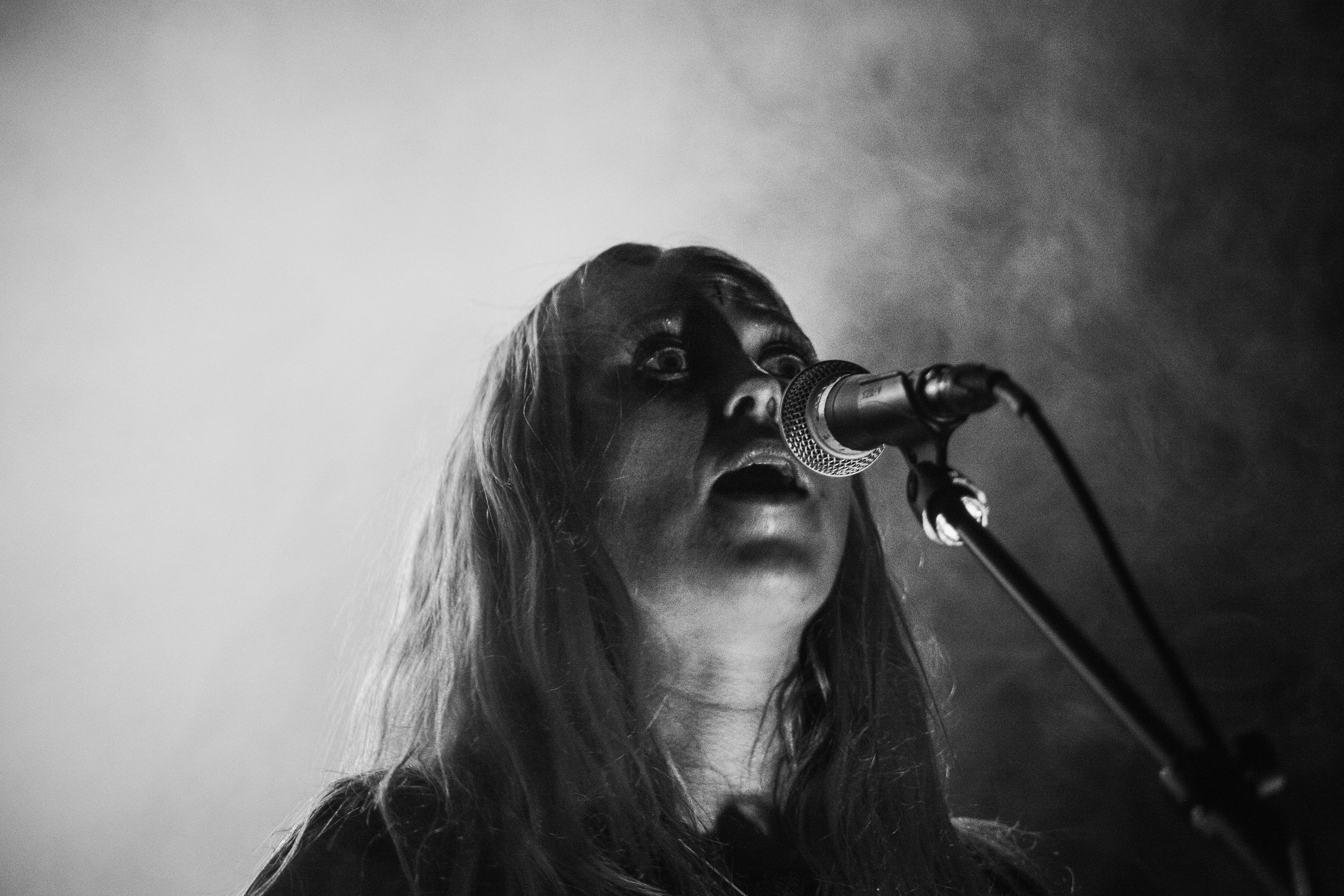
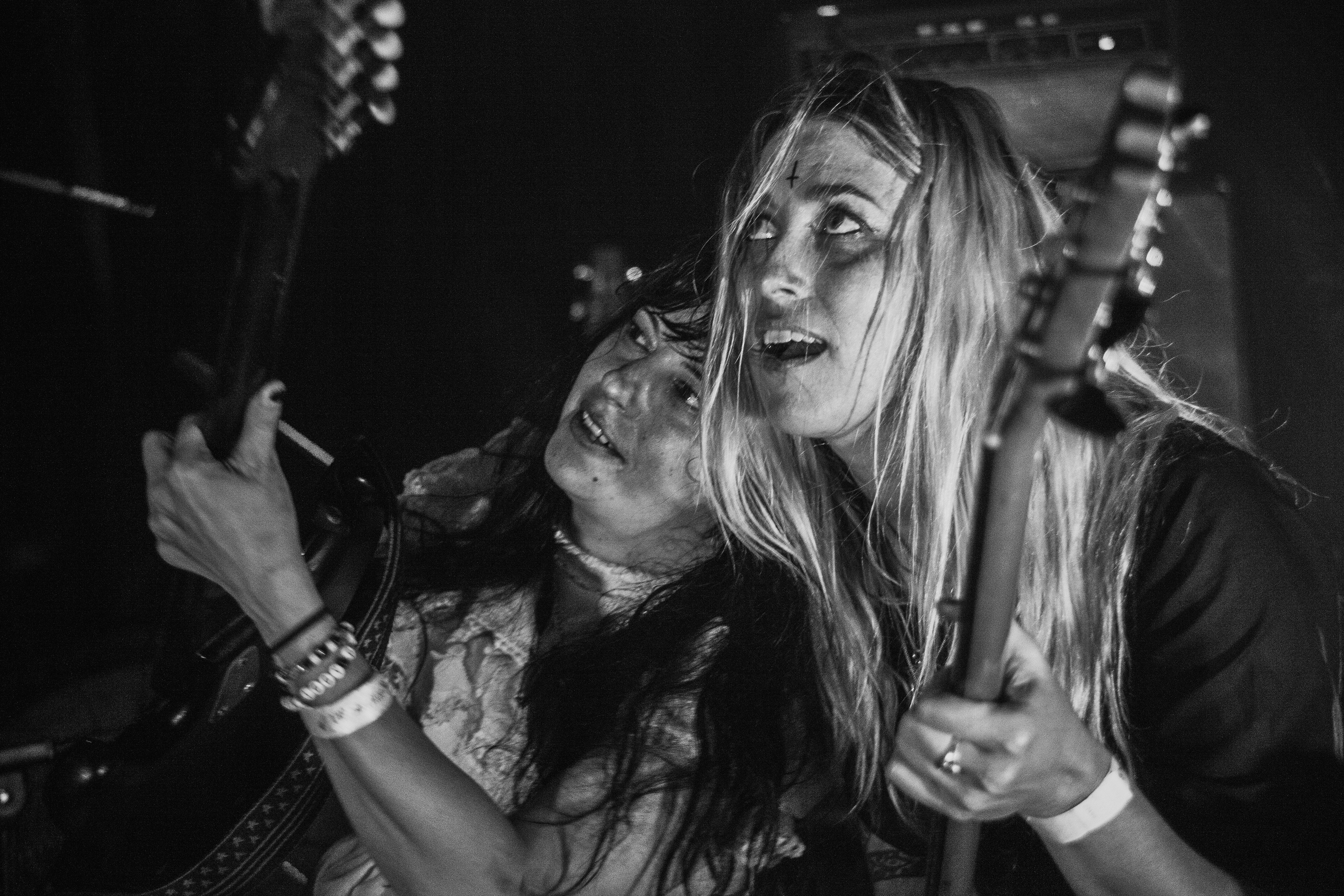
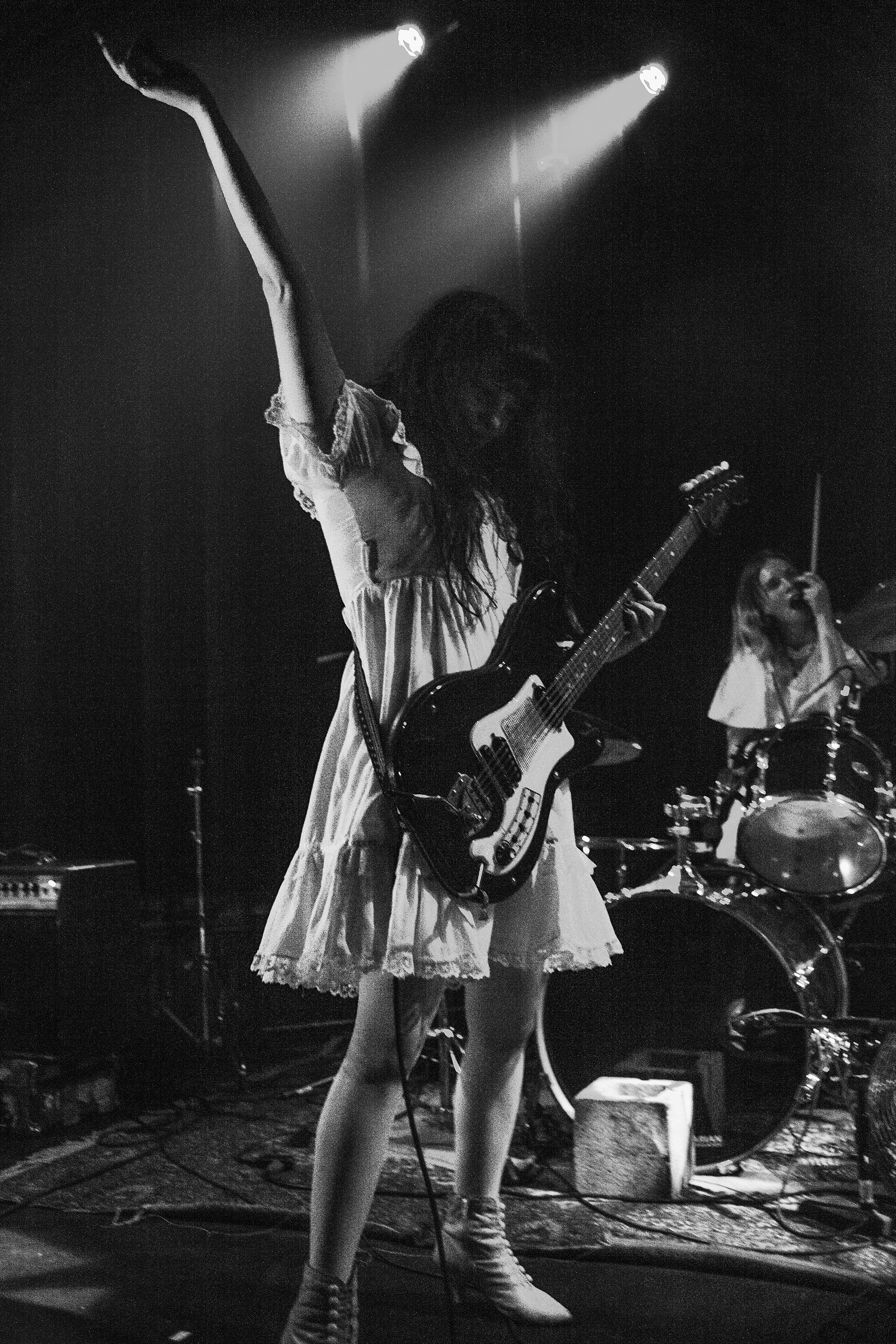
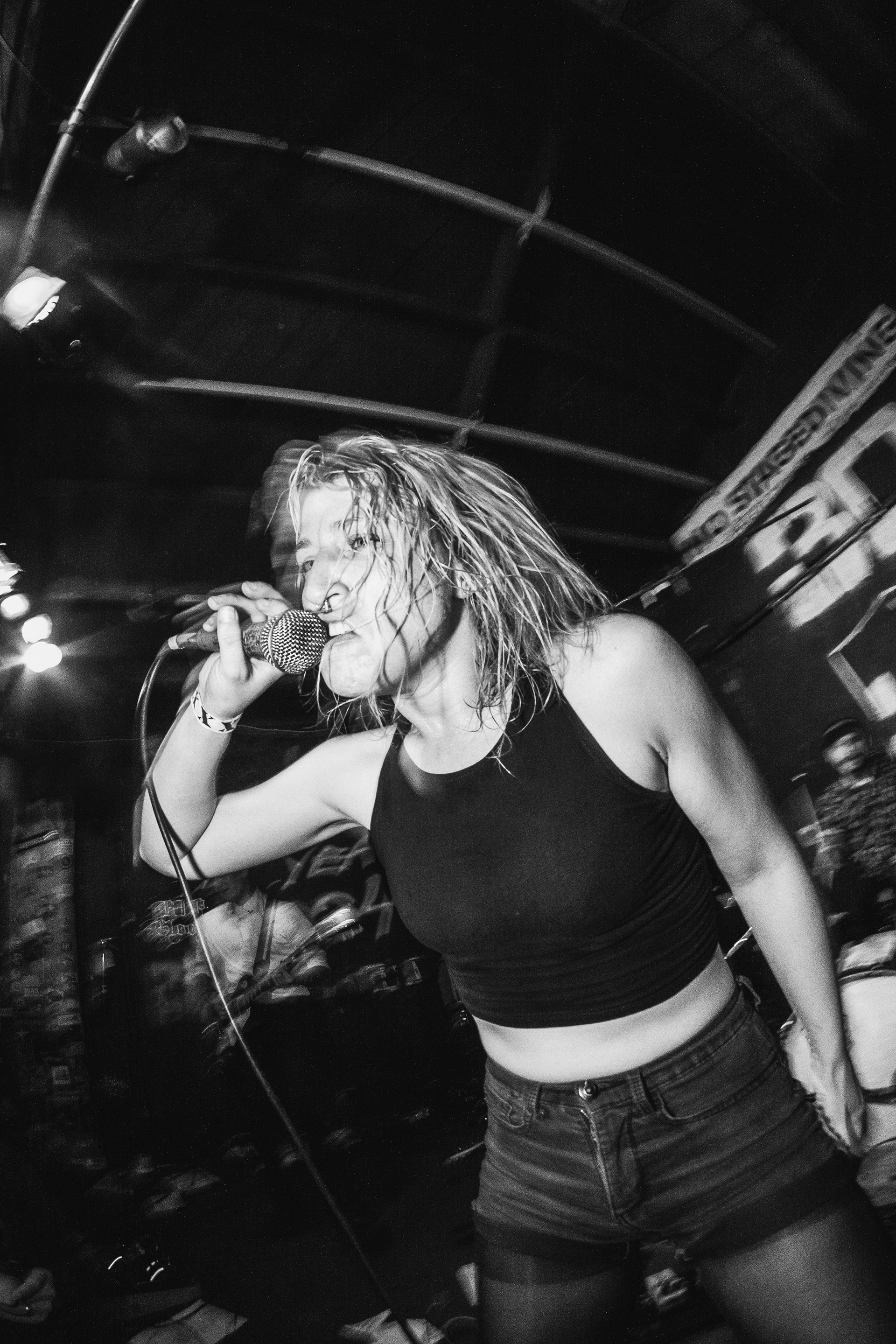
Annie Evans' Girls Burn Boys strikes me as photographic evidence of a shift in punk that my headlines hint at, the normalizing of women, femmes, butches, and futches playing music, fronting bands, playing drums, or rising from the audience to join in.
While the recent creation and use of the term "female fronted" to describe a band with a woman singer, or even a band with more than one woman up front, suggests that women in music today still have their own battles to fight, battles rooted in sexism that seems to have morphed and taken a different shape but is there nonetheless.
Still, gone are the days that men in bands take off their shirts without at least thinking twice about it--the near punk rock equivalent of showing your dick to womxn in public. The actual equivalent is grabbing womxn asses in the pit, a phenomenon that I've actually experienced as a young woman in punk who went to see the bands and wanted to stand near the stage, even when I was already in a band myself.
In spite of what many choose to believe about the history of punk, Alice Bag will tell you that punk has always been populated by womxn, people of color, people expected to age out, and plenty of QTPOC punks too. And it's true from my experience. There have always been invisible and visible queer and trans folks at shows, like the young persxn with blond hair at Gilman with what would be described as a non-punk, boy's haircut who wore prairie dresses and lipstick to shows and watched bands from the front of the stage. There have always been people of color too. I was there. I wrote a poem about it in the 90s about a punk guy in a band who I had a crush on whose mom was Mexican, but he never claimed it, and about the other people of color who hung around Gilman who everyone assumed were white and/or who were pretending to fit in. We looked sideways at each other sometimes in acknowledgement, knowing that there were other ways to fit in but no knowing how, "I know that you know/that I know/that I am watching you/are watching me." This is how it was back then in the "color blind years" —in the Northern California punk scene. Queers and people of color were welcome, but it was better to keep quiet about it. Back then your punk identity was your priority. We've always known that punk is more than slam dancing and mohawks, and punk music is not made only by cisgender boys or teenagers--people who actually go to shows, book bands, put out records, and make zines can see this now. Everyone sees it, and it makes some people uncomfortable, but that's what punk is--that's what it does, what it's supposed to do.
Thanks to the womxn's movement, womxn and grrls in bands got to be visible back in the late 80s and 1990s, but then we were often relegated to novelty acts, often offered shows on girl-band night, shows that were not well-attended. Thinking about this now, I realize it's another of the reasons I started Spitboy. I wanted to be taken seriously, which is, incidentally, the title of our very first song. Because I was into all sorts of punk and really liked hardcore, I wanted to form a hardcore band with womxn. I thought sounding like the music the boys were playing would make the boys take us seriously. I was only half right. Spitboy's music did make people sit up and listen and it made it so I wasn't playing anymore of those poorly attended "girl night" shows, but we did open for a lot of bands at 924 Gilman far longer than we should have.
My generation's punk photographer, Murray Bowles, known particularly for documenting the 924 Gilman scene of the late 80s and early 90s, who died suddenly in December of 2019, bore witness to the whiteness of punk, the toxic masculinity, but chose to photograph people having fun instead - because there was a lot of it. He photographed me in Bitch Fight, Kamala and The Karnivores, Spitboy, and dancing with Stacey White, as well as bands like The Yeastie Giriz, The Mudwomen, Frightwig, Grimple, Special Forces, Cypher in the Snow, 23 More Minutes, and Paxton Quigley, to name some of the lesser known bands with women, people of color, and gender fluid folks. Annie Evans, like Murray Bowles, documents people playing music that many would like to ignore, dismiss, or conveniently not see, those we should have seen all along
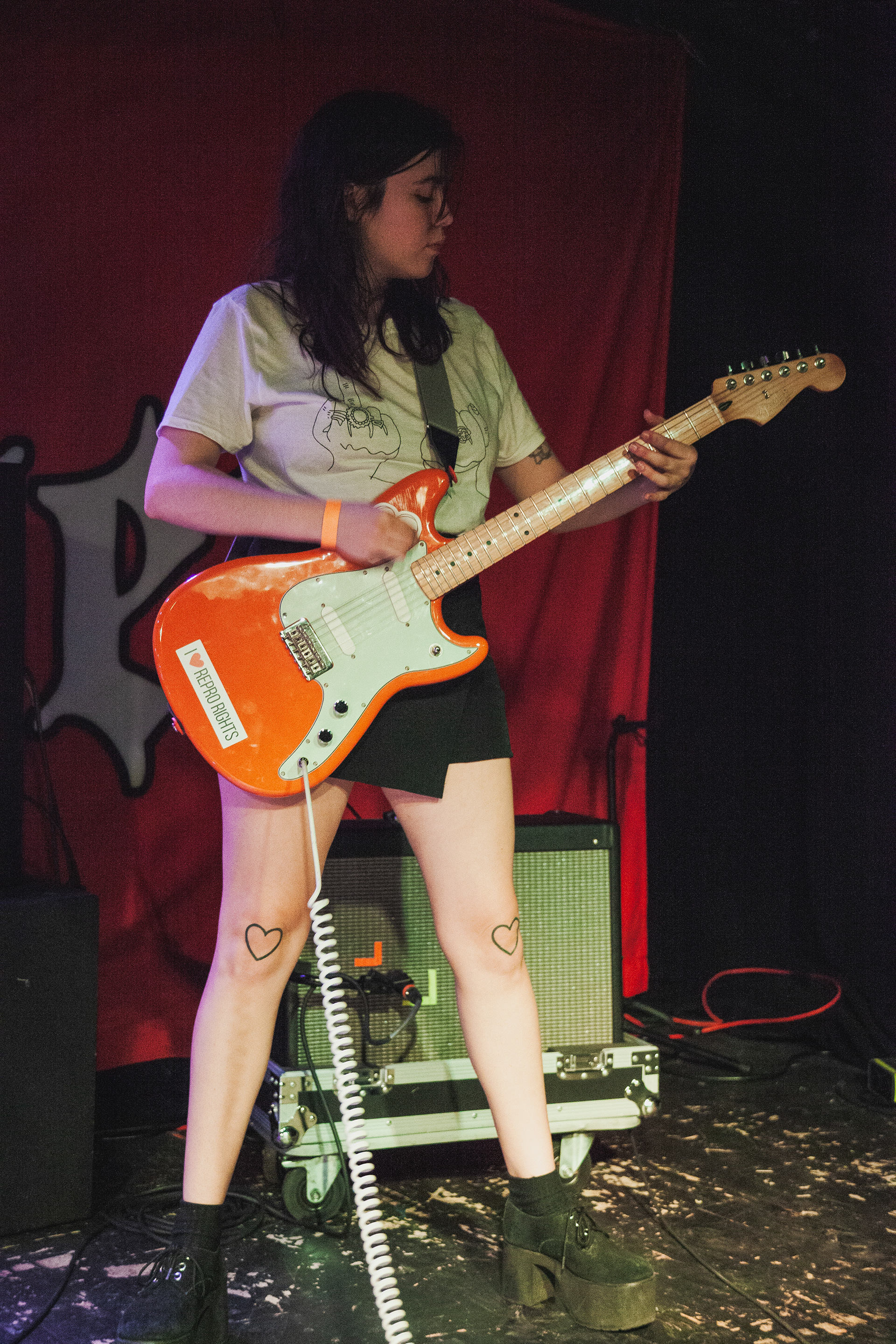
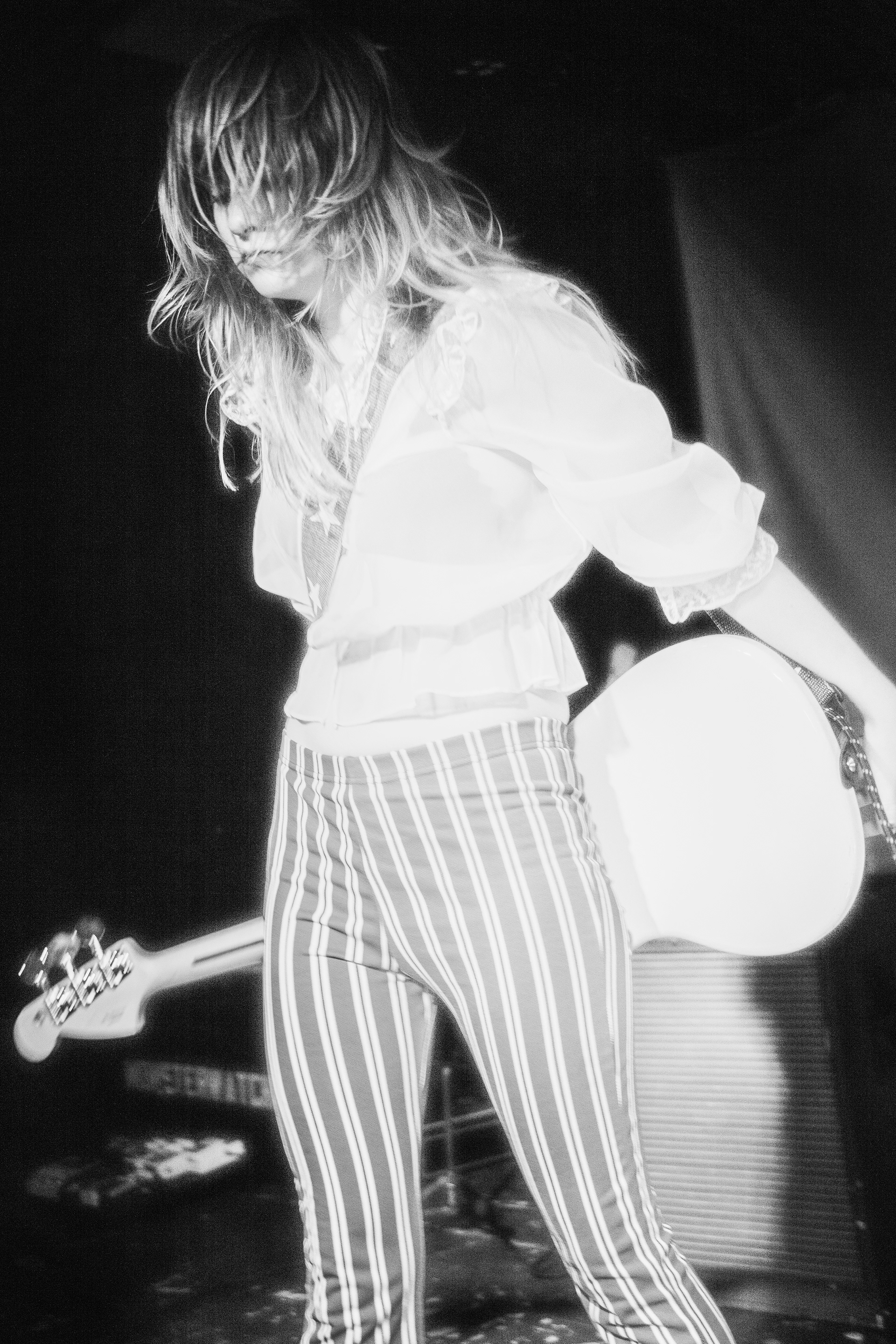
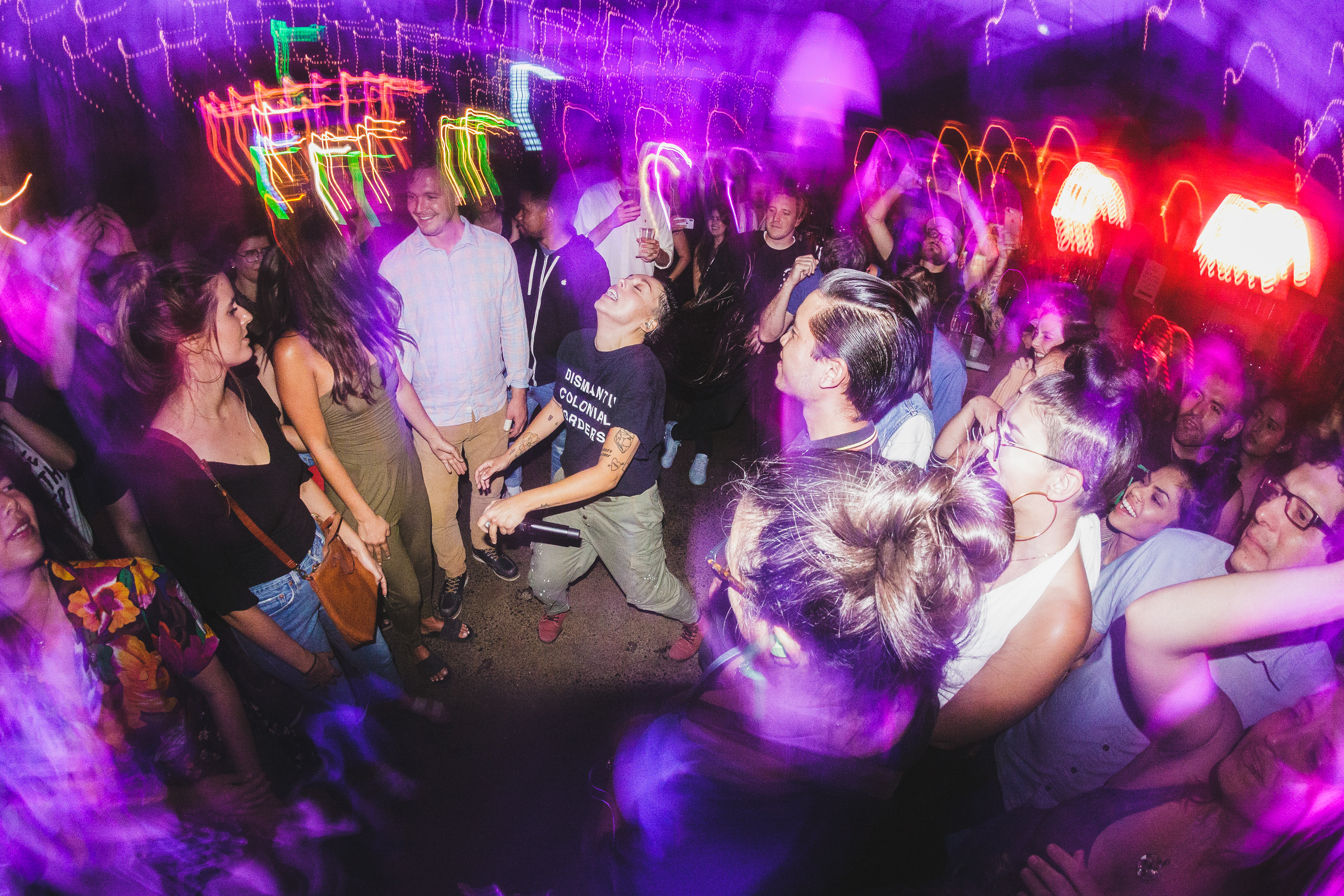
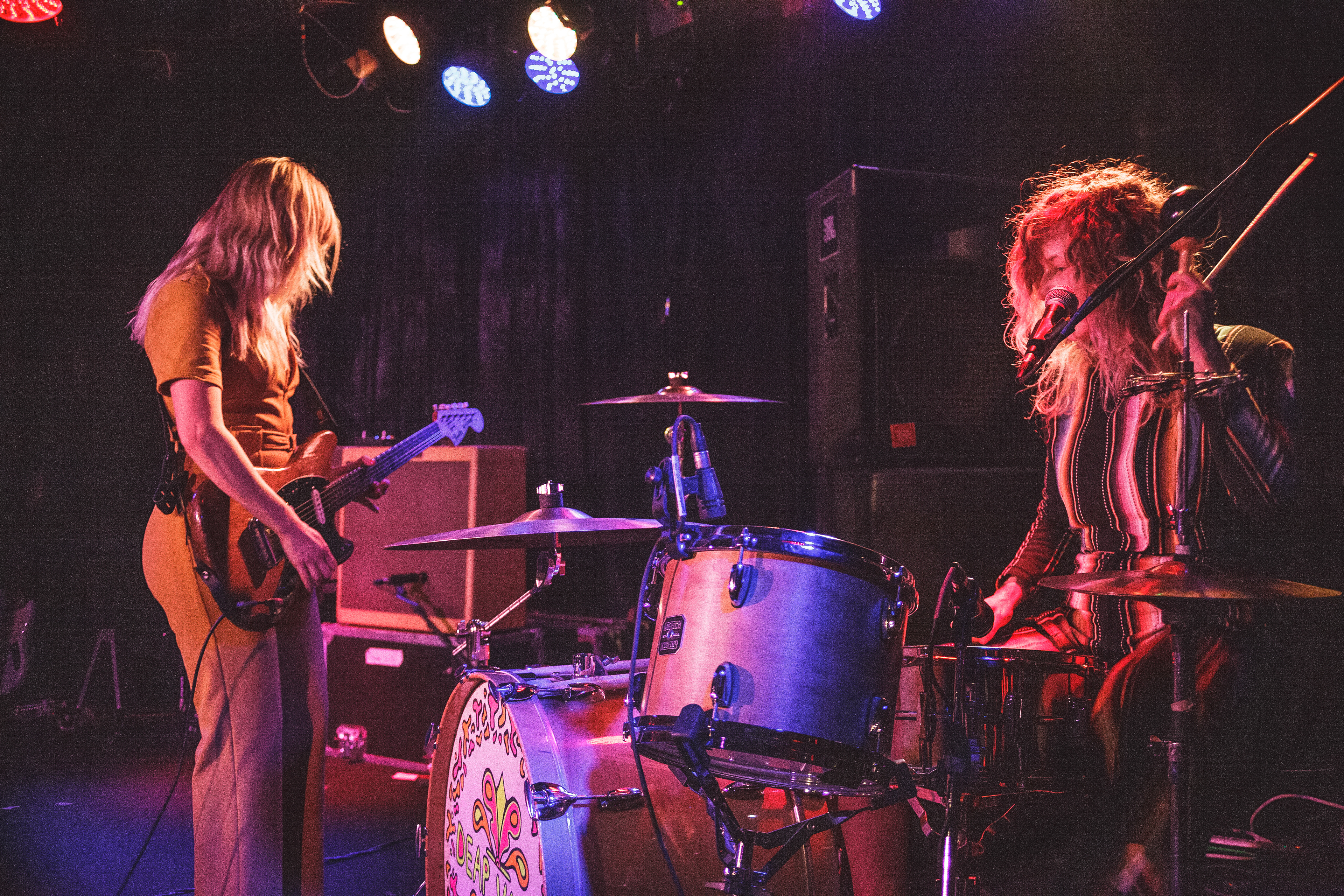
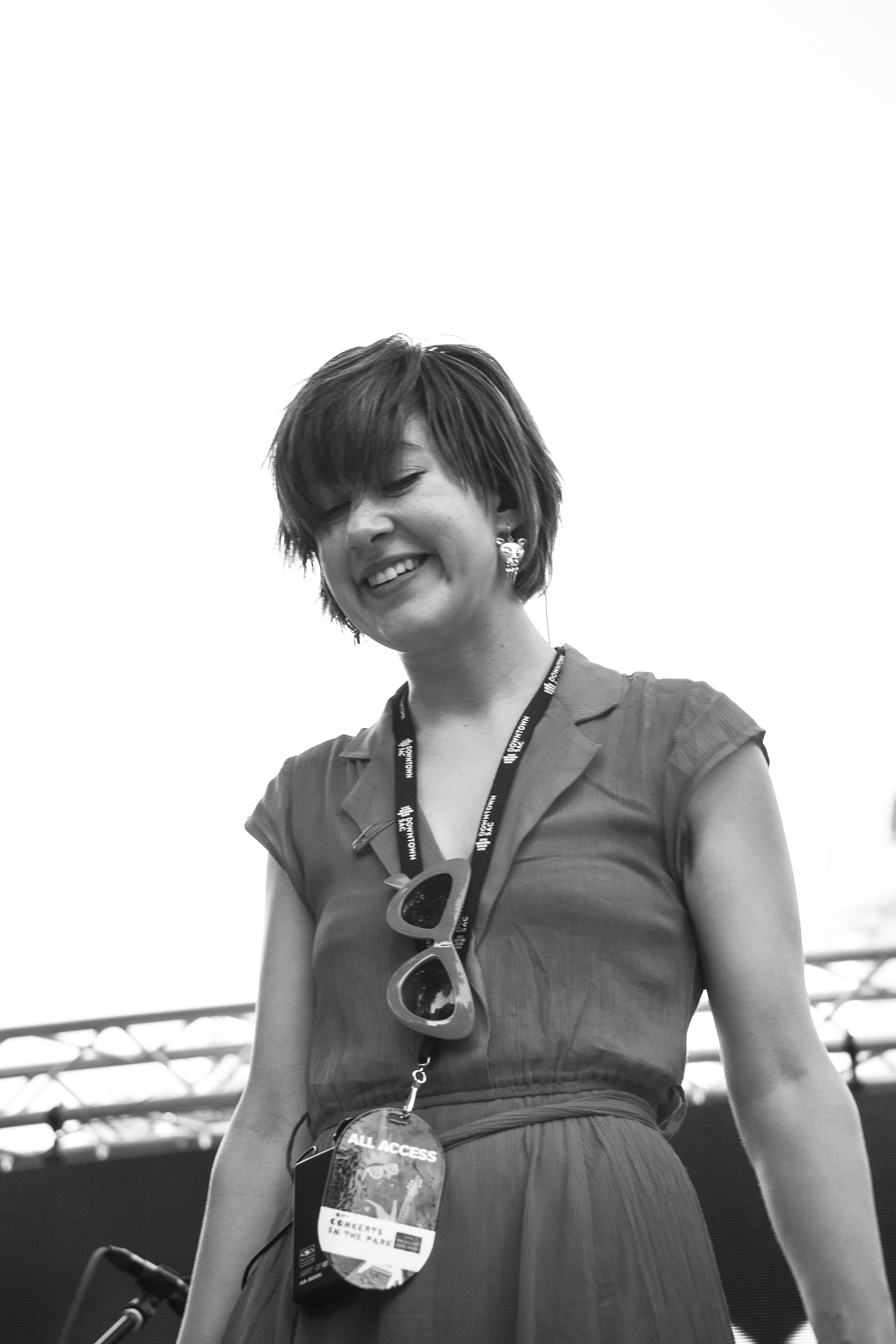
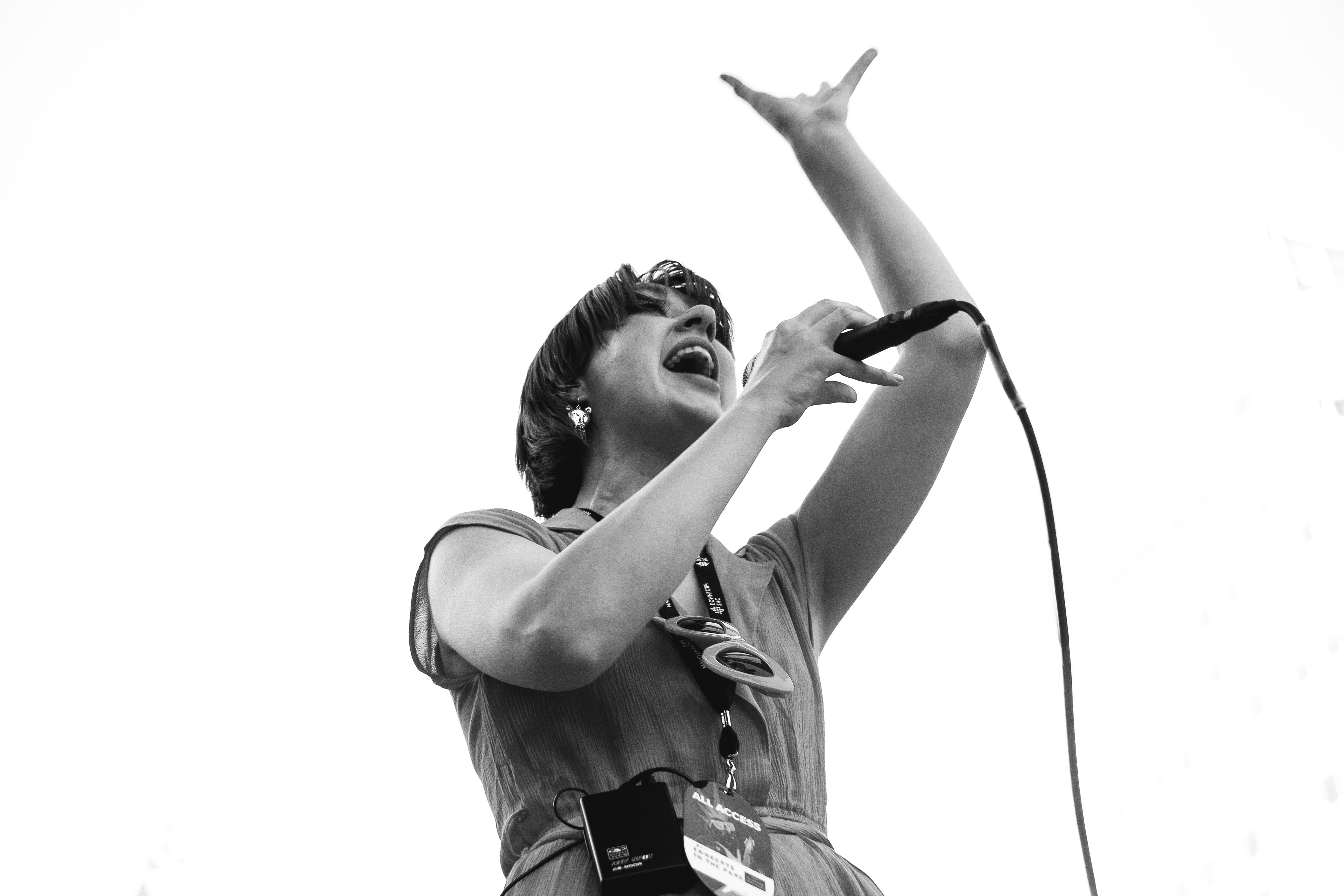
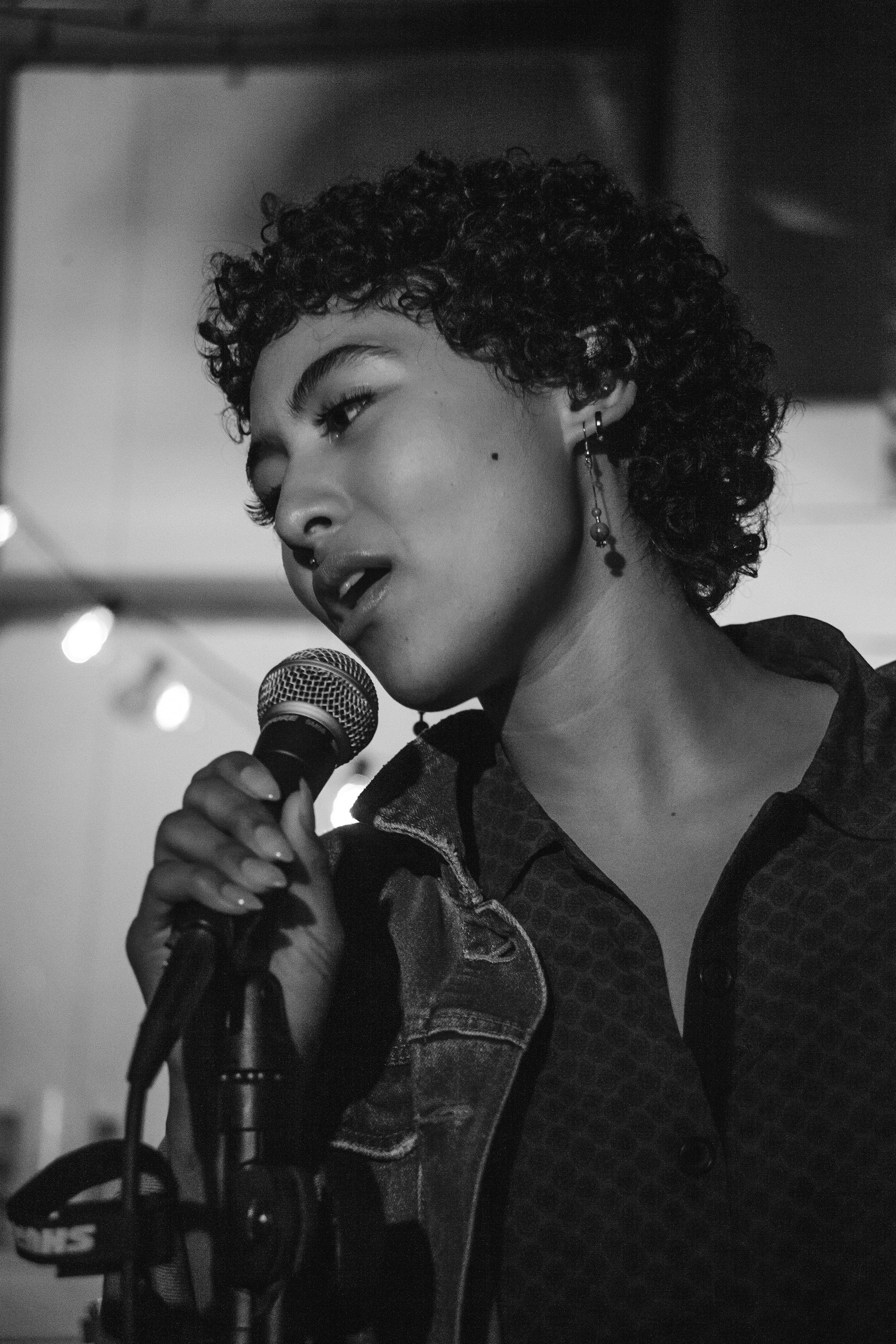
Today, when you go to a punk show, it's unlikely you'll see a band without a womxn, a person of color, or nonbinary people, and photos taken by Annie Evans of Alexia Roditis from Destroy Boys, Drew of Trap Girl, and bands like Spacewalker, Bad Cop Bad Cop, Dressy Bessy, Pity Party and many others in this collection are proof that punk is anything but dead, anything but white, and anything but male.
Michelle Cruz. Gonzales (she/her)
Oakland, California
Naked Aggression (2018)
Choked Up (2018)
Spacewalker (2018)
Period Bomb (2018)
Cherry Glazerr (2018)
Butterscotch (2018)
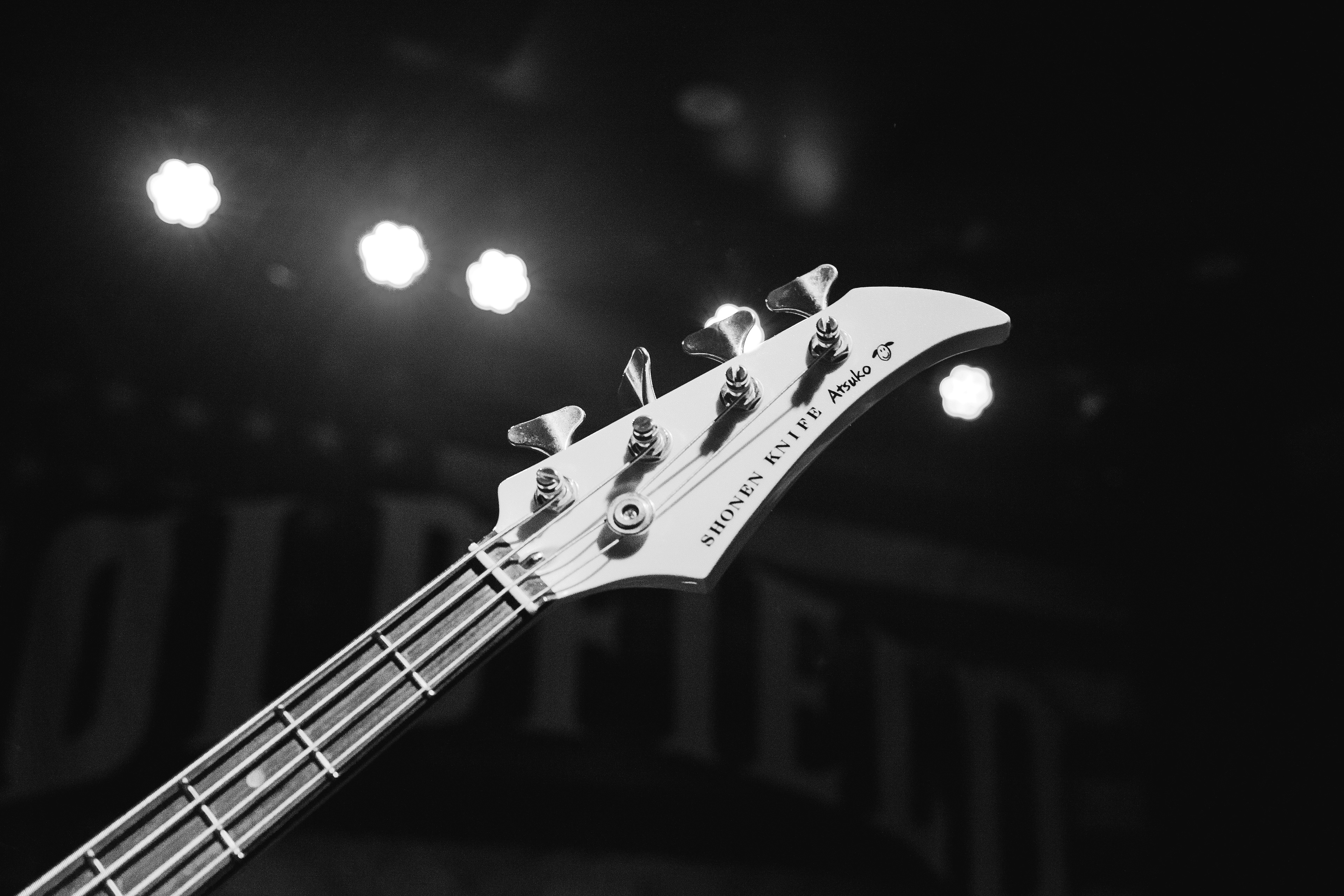
Shonen Knife (2018)
Lillian Frances (2018)
Trap Girl (2018)
Write Or Die (2018)
Camilla Covington (2018)
Danger Inc (2018)
USTAM (2019)
Stars At Night (2019)
Ziemba (2019)
Mystic Priestess (2019)
Las Pulgas (2019)
Death Valley Girls (2019)
Spellling (2019)
Pity Party (2019)
Oinga Boinga (2019)
Bad Cop/Bad Cop (2019)
Skating Polly (2019)
Rituals Of Mine (2019)
Dressy Bessy (2019)
Destroy Boys (2019)
Madi Sipes & The Painted Blue (2019)
FEA (2019)
Alice Bag (2019)
Sissyfit (2019)
VanJess (2019)
Warm Drag (2019)
LA Witch (2019)
Choked Up (2018)
Spacewalker (2018)
Period Bomb (2018)
Cherry Glazerr (2018)
Butterscotch (2018)
Shonen Knife (2018)
Lillian Frances (2018)
Trap Girl (2018)
Write Or Die (2018)
Camilla Covington (2018)
Danger Inc (2018)
USTAM (2019)
Stars At Night (2019)
Ziemba (2019)
Mystic Priestess (2019)
Las Pulgas (2019)
Death Valley Girls (2019)
Spellling (2019)
Pity Party (2019)
Oinga Boinga (2019)
Bad Cop/Bad Cop (2019)
Skating Polly (2019)
Rituals Of Mine (2019)
Dressy Bessy (2019)
Destroy Boys (2019)
Madi Sipes & The Painted Blue (2019)
FEA (2019)
Alice Bag (2019)
Sissyfit (2019)
VanJess (2019)
Warm Drag (2019)
LA Witch (2019)
I could give a shit about
you and your Tom Brady
you and your Tom Brady
QUEER
INNOCENT
AND PRETTY
I'M THE MOST DANGEROUS GIRL IN THIS CITY
mother holds my only lifeline
MASCULINITY IS A PRISON